

Key Takeaways
A wheel-bearing noise can be easy to mistake for a tire, brake, or drivetrain problem, so check the symptoms and confirm fitment before replacing parts. The right repair depends on the vehicle’s exact configuration and the condition of the hub and related components.
- A failing bearing may produce humming, grinding, looseness, or vibration.
- Noise that changes with vehicle speed is a clue, not a diagnosis on its own.
- Confirm model year, axle position, and other vehicle details before ordering.
- Bearing-only and complete hub assemblies are different replacement options.
- Severe looseness, grinding, or unstable handling calls for prompt inspection.
Understanding SsangYong wheel bearings
A wheel bearing lets a wheel rotate while supporting the vehicle’s weight and forces from the road. On SsangYong vehicles, as on other cars, the exact arrangement varies, so the vehicle name alone is not enough to identify a replacement part. Understanding whether the bearing is separate from the hub is a useful first step. It also helps to gather reliable vehicle and part details before comparing listings.
What wheel bearings do
A wheel bearing supports the wheel and allows it to turn with low friction. It operates under repeated loads from the vehicle, cornering, braking, and uneven road surfaces. Wear can develop gradually, so a change in sound or feel may appear before a driver notices looseness at the wheel. The bearing is part of the wheel-end assembly, but the way it is serviced depends on the vehicle’s design.
How bearing and hub assemblies differ
Some vehicles use a bearing that can be replaced separately, while others use a hub assembly that includes the bearing as a unit. The correct approach depends on the design and service procedure for the specific axle. A front wheel bearing hub assembly is listed as a complete five-stud front assembly with ABS for selected vehicle applications; that listing should not be treated as proof of fitment for every vehicle in a model range. Checking the assembly type before ordering helps avoid buying a part that cannot be installed as intended.
Why fitment varies by model, year, and axle
A model name can cover different generations, engine configurations, and driveline layouts. Front and rear parts may differ, and left- and right-side listings are not always interchangeable. Catalogs may also distinguish between a bearing alone and a hub that includes additional components. Use these details as a starting point for confirming the exact application:
| Vehicle detail | Why it matters | Where to confirm |
|---|---|---|
| Model year and generation | Parts can change between production versions | Registration or vehicle records |
| Front or rear axle | Bearing and hub designs may differ by axle | Parts catalog or repair information |
| Left or right side | Some listings specify a side | Vehicle-specific parts listing |
| ABS and hub configuration | Sensor or assembly details may vary | Existing part and fitment data |
Treat a matching model name as an initial clue, not a final fitment check. For example, a listing for a 2011 Actyon Sports hub applies to a stated vehicle configuration, rather than every Actyon Sports. Compare the listing’s full vehicle details with your own before ordering.
Where to find vehicle and part details
Start with the registration or vehicle identification information, then compare it with the parts catalog for the exact model year and axle. If the old part is being removed, its markings and physical design can help confirm what is fitted, though a worn or modified component should not be the only reference. A front hub assembly listing names selected engines and part numbers, illustrating why an application check is more useful than matching only a broad model name.
Search results can mix unrelated topics with parts information: GoldSignals.io covers market analysis, number necklaces are another kind of fitment purchase, Falco Firearms provides a privacy policy, Wegovy appears in coverage information, and eigenKOR discusses business profile management. None of those pages establishes automotive bearing compatibility, so rely on vehicle-specific parts details for this decision.
Signs of a failing wheel bearing
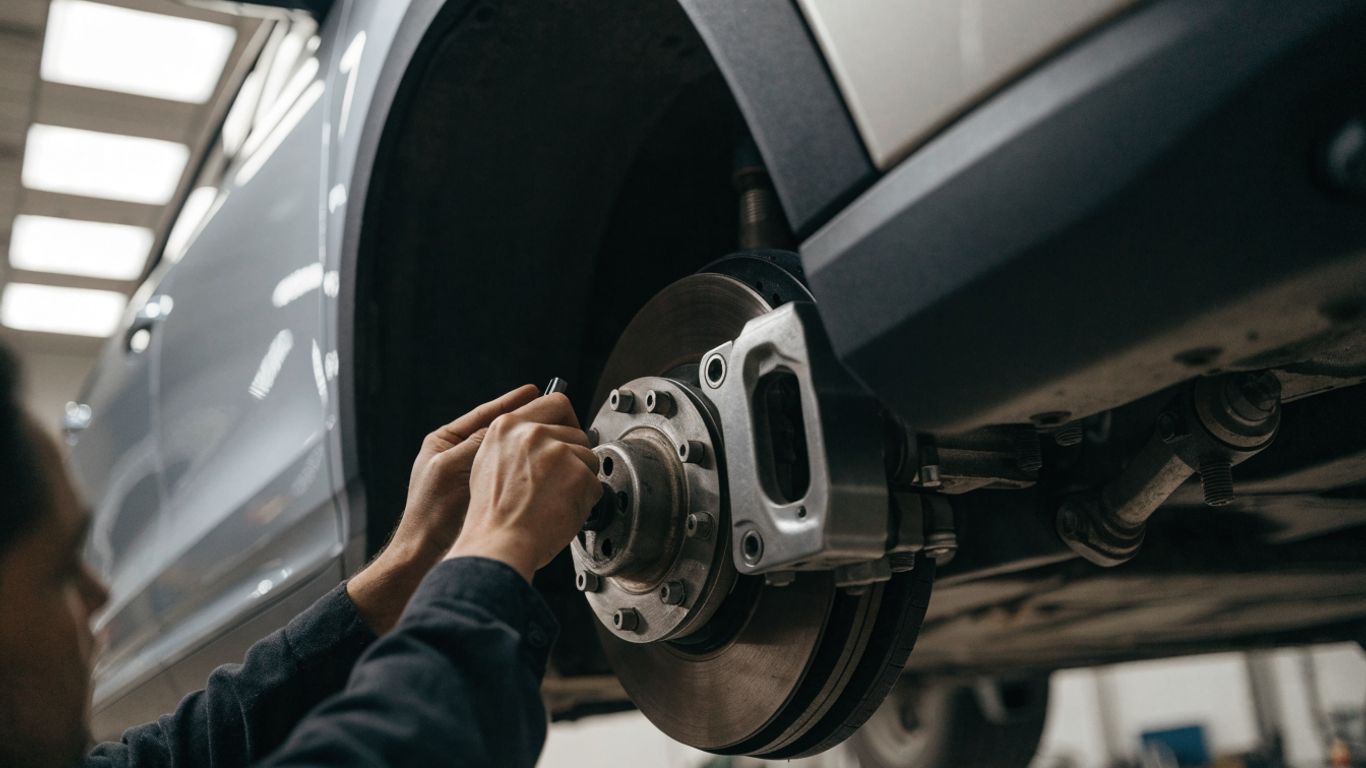
Bearing wear often announces itself through a sound that changes as the car moves, but symptoms vary and can overlap with other faults. A single noise does not confirm which wheel is affected. Pay attention to whether the sound changes with speed, turning, or road surface, and whether there are handling changes as well. If the vehicle feels unstable or the noise becomes severe, arrange an inspection rather than trying to drive through it.
Humming or grinding that changes with speed
A worn bearing may create a hum, rumble, or grinding sound that becomes more noticeable as road speed rises. The sound may be faint at first, then grow louder over time. Tire noise can behave similarly, and road texture can make either sound change, so listen for a repeatable pattern rather than relying on one short drive. Grinding or a sudden increase in noise deserves prompt attention.
Wheel play, vibration, or uneven tire wear
Excessive movement at a wheel can accompany bearing wear, although suspension joints and other components can also cause looseness. A vibration through the steering wheel or body may have several possible sources, including tires, wheels, brakes, or drivetrain parts. Uneven tire wear is worth investigating but is not specific to a bearing. Look at the symptoms together and have the wheel end checked if more than one appears.
How turns can affect bearing noise
A sound that changes while cornering can help a technician compare symptoms, because turning shifts load across the vehicle. The direction of a turn alone does not reliably identify the faulty side; sound can travel through the body and be misleading. Note whether the noise grows, fades, or stays the same during gentle turns on a safe route. Avoid abrupt maneuvers or deliberately pushing the vehicle to make the sound louder.
When to stop driving and seek inspection
A mild, steady hum still merits a timely check, particularly if it is getting louder. Stop driving and seek assistance if there is pronounced grinding, substantial wheel looseness, strong vibration, or a noticeable change in steering or stability. These signs may indicate a serious wheel-end problem, but a physical inspection is needed to determine the cause. If you are unsure whether the car is safe to move, arrange professional advice rather than taking a chance.
How to diagnose a wheel bearing problem
Diagnosis starts by separating bearing symptoms from other common sources of noise and vibration. A careful road test and inspection can narrow the possibilities, but no single check proves the cause in every case. Wheel-end components may also behave differently when loaded than they do while the car is stationary. A qualified wheel-bearing replacement service can inspect the vehicle and determine whether replacement is appropriate.
Ruling out tire, brake, and drivetrain noise
Tire tread patterns, uneven wear, or a damaged tire can create a hum that follows road speed. Brake contact or a sticking brake component may produce scraping or heat, while drivetrain noise can change with acceleration or gear load. Note when the sound occurs: during coasting, braking, acceleration, or only on particular road surfaces. That information helps an inspection focus on the right systems rather than assuming every rumble is a bearing.
Checking for wheel looseness and rough rotation
A technician may raise the vehicle safely and check for abnormal wheel movement or roughness as the wheel is rotated. The vehicle must be properly supported, and the inspection needs to account for play that can come from other suspension or steering parts. Some bearing faults make noise without obvious looseness, so a smooth-feeling wheel does not rule out a problem. Do not work beneath a vehicle supported only by a jack.
Comparing symptoms across the vehicle
Comparing the sound from different corners can help narrow the source, but the loudest area heard inside the cabin may not be where the fault is located. Keep a short record of when the noise occurs and whether it changes with speed, braking, or turning. A video can preserve the sound for discussion, though it cannot replace an inspection.
When professional diagnostic equipment is needed
Intermittent noises, vehicles with ABS components, and symptoms that overlap with drivetrain or suspension faults can require more than a basic visual check. A repairer may use a lift, listening equipment, or diagnostic tools as appropriate to the vehicle and complaint. The point is to confirm the failed component before parts are ordered. If the noise is severe or handling has changed, prioritize an inspection over further test drives.
Choosing the right replacement bearing
A replacement needs to match the actual vehicle configuration, not merely a familiar model name. Check the axle and side, whether the part is sold as a bearing or a hub assembly, and what hardware is included. Listings may cover only selected engine or model combinations, so verify application details before checkout. A clear match reduces delays and helps avoid installing an unsuitable part.
Matching the part to the exact SsangYong model
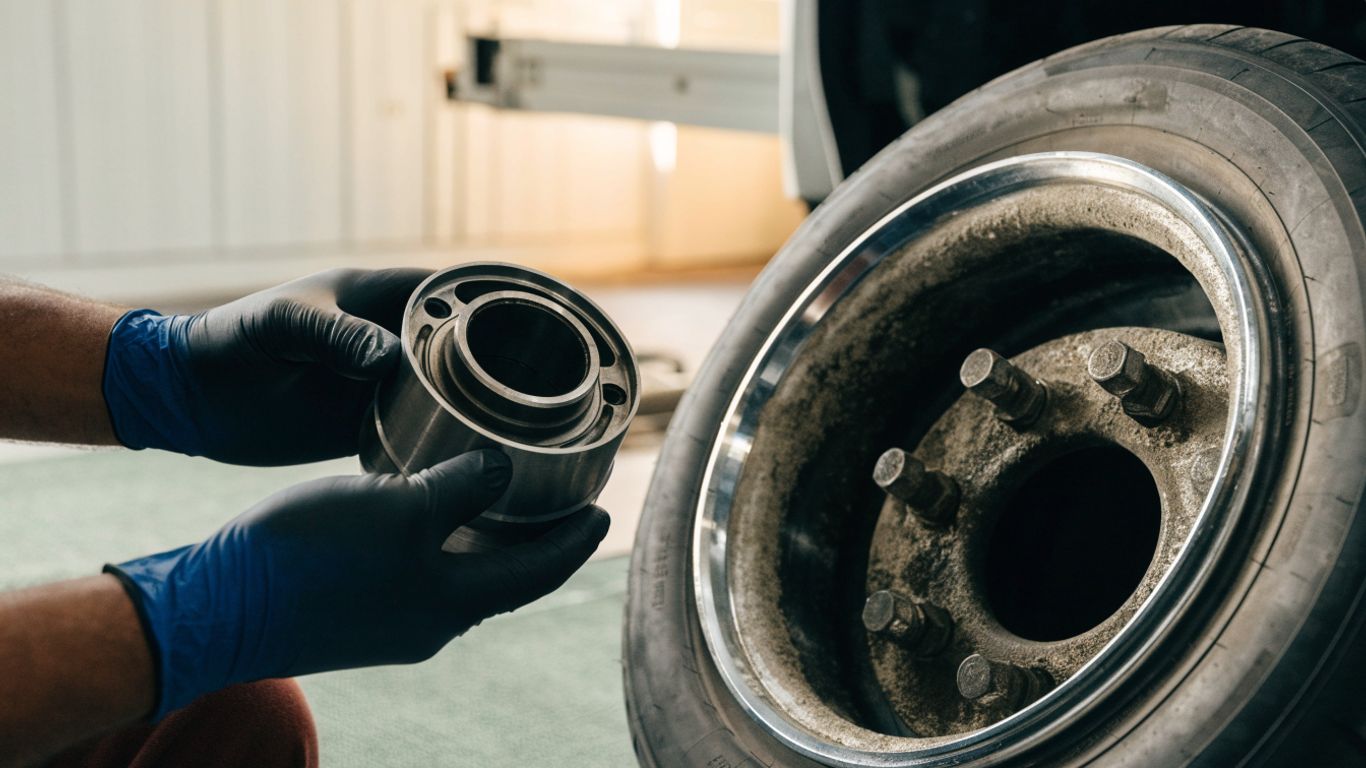
Confirm the model, year, generation, engine, and drivetrain information used by the parts catalog. If two sources disagree, pause and check the vehicle identification details with a parts specialist rather than guessing from appearance. The Actyon Sports and Musso hub listing specifies selected engine applications and part numbers, a reminder that a broad vehicle name may cover multiple configurations. Match the catalog entry against the vehicle, not just the search result title.
Checking front or rear and left or right fitment
Identify the axle and side before ordering, then check whether the listing explicitly names those positions or describes a shared fitment. Some assemblies are side-specific; others may be common across sides. The way a vehicle is driven does not determine which side part is needed. If a listing is unclear, ask for confirmation using the vehicle’s full details and the part number where available.
Comparing bearing-only and complete hub options
A bearing-only part is intended for a design where the bearing can be serviced separately, while a complete hub option replaces a larger assembly. The correct option depends on the vehicle’s construction and the specified repair method. A complete assembly may include components not present in a bearing-only kit, so compare the contents rather than the product names alone. The replacement should follow the vehicle-specific service information.
Reviewing quality, warranty, and included hardware
Before buying, check the part description, application notes, warranty terms, and whether any required nuts, bolts, seals, or sensor-related pieces are included. Confirm what the warranty requires, including any installation conditions, before work begins. If the listing gives measurements or part references, compare them with reliable vehicle-specific information. Clear documentation is more useful than a confident-sounding headline.
What to expect during wheel bearing replacement
The repair can be straightforward on some designs and difficult on others, especially when components have corroded or seized in place. Work typically involves safely lifting the vehicle, removing wheel-end components, fitting the correct replacement, and reassembling everything to specification. The exact sequence differs by model and axle. A repairer should consult the service information for the vehicle rather than use a generic procedure.
Tools and preparation for the repair
Preparation includes confirming the part, arranging a safe work area, and having the correct tools and service information available. Wheel-end repairs can involve heavy components and fasteners tightened to precise values, so appropriate lifting equipment and safety supports are essential. A practical preparation sequence helps prevent interruptions:
- Confirm the replacement part and its included hardware.
- Check the vehicle-specific removal and installation procedure.
- Prepare safe lifting equipment and suitable supports.
- Have the required torque information available before reassembly.
These steps do not make every repair a suitable home project; they help clarify what the job involves. If specialized tools or experience are lacking, a qualified mechanic can carry out the work safely and verify the installation.
Why hub removal can be difficult
Corrosion, dirt, and long service can make the hub difficult to separate from surrounding components. Force applied in the wrong place can damage nearby parts or complicate the repair. Access may also be limited by the suspension and brake arrangement. If the assembly does not release as expected, reassess the procedure instead of escalating force without guidance.
When a press or specialist equipment is required
Some designs require a press to remove or install a bearing without damaging it or its mounting surfaces. Other vehicles use a bolt-on assembly and need a different method. The service procedure and part design determine the correct equipment. If a press is needed and one is not available, using a workshop with the appropriate tools is generally safer than improvising.
Following model-specific torque specifications
Fasteners must be tightened according to the vehicle’s specified values and sequence. Guessing or applying a generic torque figure can lead to an unsafe or short-lived repair. Use the service information for the exact model and axle, and replace any one-time-use hardware when instructed. Correct tightening is part of the repair, not a finishing detail.
Replacement costs and bearing care
The total cost depends on the part design, labor time, access, and any related components that need attention. Prices can differ substantially between a bearing-only repair and a complete hub replacement. A useful estimate should identify what is being replaced and what the labor includes. Careful diagnosis and correct installation are more valuable than choosing a part on price alone.
Factors that affect parts and labor costs
Parts cost varies with the type of assembly, vehicle application, and included hardware. Labor depends on how accessible the hub is and whether corrosion or seized components add time. If the repair requires a press or additional work, that can affect the estimate as well. Ask whether the quote covers diagnosis, removal, installation, and any necessary related parts.
Getting a useful repair estimate
Give the repairer the model year and full vehicle details, describe when the noise occurs, and share any inspection findings. Ask for the part type, labor charge, warranty terms, and any extra work to be listed separately. A written estimate makes it easier to compare the same scope of work rather than headline prices. If the diagnosis is uncertain, ask what checks will confirm the source before replacement.
How water, impact, and poor installation affect service life
Water and contamination can compromise bearing seals, while pothole impacts or other hard blows can place extra load on wheel-end components. Incorrect installation can also damage a new bearing, particularly if force is applied through the wrong part of the assembly. These factors do not make failure inevitable, but they can shorten service life. Follow the specified procedure and investigate the cause if a replacement fails unusually soon.
Checking related components during replacement
While the area is accessible, it is sensible to inspect nearby parts for wear or damage, including brake components, seals, fasteners, and suspension joints as applicable. This does not mean every nearby item needs replacement. The repairer should explain any additional recommendation and show how it relates to the observed condition. Addressing a separate fault at the same time may avoid repeating labor, but the decision should be based on inspection.
Conclusion
A humming or rough wheel deserves attention, but confirming the cause matters as much as choosing a replacement. Record when the symptoms occur, verify fitment using complete vehicle details, and follow the correct service procedure. When noise is severe or handling changes, arrange an inspection promptly rather than relying on guesswork.
Frequently Asked Questions
Can I drive with a noisy wheel bearing?
A faint noise may not mean immediate failure, but it should be inspected soon, especially if it is worsening. Stop driving if there is severe grinding, substantial looseness, strong vibration, or unstable handling.
Does a humming sound always mean a wheel bearing is bad?
No. Tires, brakes, and drivetrain components can produce similar sounds. A physical inspection is needed to identify the source.
Why does the noise change when I turn?
Cornering shifts load across the wheels, which can change a noise from a worn component. Sound can travel through the vehicle, so the turn direction alone does not confirm which side is faulty.
Can I replace only the bearing instead of the hub?
That depends on the vehicle’s design and the specified repair procedure. Some applications use a separately serviceable bearing, while others call for a complete hub assembly.
Do front and rear wheel bearings use the same parts?
Not necessarily. The design and fitment can differ by axle, and some parts may also be side-specific. Check the exact vehicle application before ordering.
Can a bad wheel bearing cause vibration?
It can be associated with vibration, but tire, wheel, brake, and suspension issues can produce similar symptoms. Diagnosis should consider the whole wheel-end area.
How long does wheel bearing replacement take?
Repair time varies with the vehicle design, access, corrosion, and whether special equipment is needed. A repairer can provide a more useful estimate after confirming the fault and the required part.