
Key Takeaways
Tie rod ends are small steering components, but wear can affect how a vehicle feels and how its tires wear. Careful fitment checks and a post-replacement alignment help avoid preventable problems.
- Tie rod ends connect steering movement to the front wheels through the steering linkage.
- Wandering, looseness, knocks, and uneven tire wear can be warning signs, but other faults may cause similar symptoms.
- Confirm the model, year, engine, side, steering position, and part details before ordering.
- Replacement work should use the correct specifications and be followed by a wheel alignment.
- Parts, labor, alignment, and related repairs all affect the final cost.
What Ssangyong tie rod ends do
Tie rod ends form part of the connection between the steering system and the front wheels. Their joints allow steering movement while accommodating the suspension’s up-and-down motion. Knowing where they sit can make symptoms and replacement decisions easier to understand.
How tie rod ends connect steering components
A tie rod end joins the steering linkage to the steering knuckle, which turns the wheel when the driver moves the steering wheel. A flexible joint at the end allows this connection to move as the suspension travels. The part needs to stay secure while moving freely; binding or excess play can affect steering response.
The difference between inner and outer tie rods
The inner tie rod connects to the steering rack or center linkage, while the outer tie rod end attaches farther out, near the steering knuckle. They work together, but they are distinct parts and are not automatically interchangeable. When ordering or discussing a repair, say which component has been identified as worn rather than assuming the outer end is the only possibility.
How wear can affect steering and tire wear
As a joint wears, looseness can develop in the steering linkage. The resulting movement may make the vehicle feel less precise and can interfere with alignment, which may contribute to irregular tire wear. A symptom is a clue, not a diagnosis: inspection is needed to establish whether the tie rod end is actually the cause.
Signs of a worn tie rod end
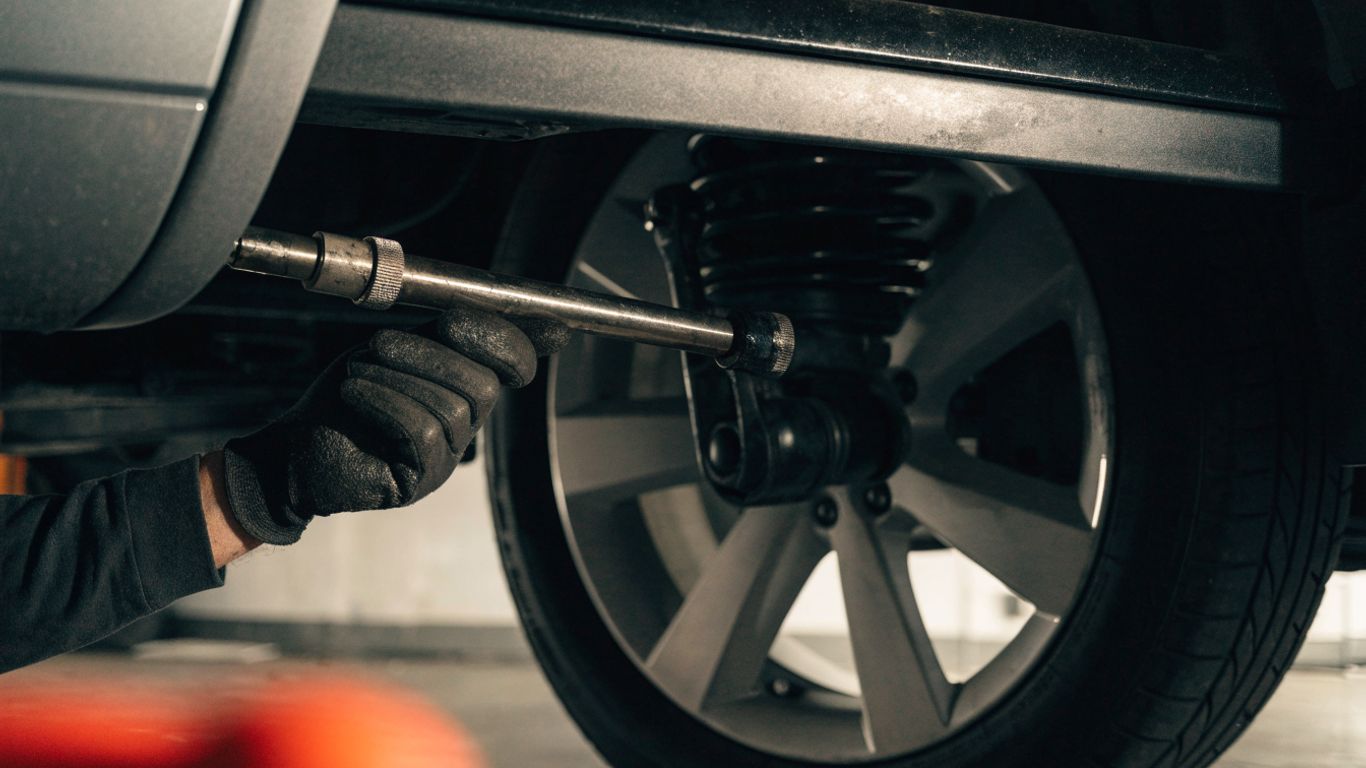
Changes in steering feel, new noises, and unusual tire wear can all justify an inspection. None of these signs proves that a tie rod end is faulty on its own. Look for a pattern of symptoms and have the steering and suspension checked if something feels different.
Steering play, looseness, or wandering
A vehicle with excess play in a steering joint may feel loose or require frequent small corrections to stay on course. The sensation can be subtle at first, and road conditions or tire pressure may also affect how the vehicle tracks. If the steering response has changed, arrange a proper inspection rather than relying on feel alone.
Clunking or knocking over bumps
A knock from the front end over bumps can have several possible sources. A worn or loose steering joint is one possibility, but suspension joints, mounts, and other components can also make noise. Note when the sound occurs and whether it changes during turns or over uneven pavement; those details can help a technician narrow down the inspection.
Uneven tire wear and alignment changes
Uneven wear across a tire’s tread may point to an alignment issue, but it does not identify the failed part by itself. Tie rod movement can affect alignment, while tire condition, suspension wear, or previous impacts may also play a role. Checking the steering components and measuring alignment provides a clearer basis for repair.
Why symptoms can overlap with other suspension problems
Several front-end faults can create similar sensations, and more than one component may be worn at once. A useful inspection looks at the whole steering and suspension system rather than replacing a part based only on a noise or tire-wear pattern. That approach reduces the chance of overlooking a related fault.
How to check fitment for your Ssangyong
Parts that appear similar may differ in dimensions, thread details, or application. Start with the vehicle’s exact configuration and confirm the specific side and steering position. A seller’s vehicle lookup can help narrow options, but verify the result against reliable vehicle or part information before purchasing.
Identify the model, year, and engine
Write down the complete model designation, model year, and engine details from the vehicle documents or identification label. Trim and production changes can matter, so a broad model name alone may not be enough. When checking availability for a Rexton W, for example, a Rexton W parts lookup is a starting point, not a substitute for confirming the exact application.
Check the correct side and steering position
Confirm whether the part is for the left or right side and whether the listing refers to an inner or outer tie rod. Some applications can also vary by steering configuration or production details. A repairer or parts supplier can help interpret those distinctions when the listing is unclear.
Compare part numbers and dimensions
Use part numbers and physical details to cross-check a listing rather than relying on a photograph alone. The dimensions can help expose a mismatch, but measurements should be taken or interpreted carefully. This comparison is most useful when the original part number is available and the replacement listing provides clear specifications.
| What to compare | Why it matters | What to verify |
|---|---|---|
| Part number | Helps distinguish similar applications | Match it against reliable vehicle or parts data |
| Thread details | Affects how the component attaches | Confirm thread size and direction where specified |
| Overall dimensions | Helps identify a physical mismatch | Compare only like-for-like measurement points |
| Side and position | Separates left/right and inner/outer parts | Confirm the exact location on the vehicle |
Use the table as a cross-check, not as a fitment verdict by itself. If a measurement or number conflicts with the vehicle data, pause and resolve the discrepancy before ordering.
Confirm fitment with the vehicle identification number
A vehicle identification number can help a parts supplier check the application more precisely, particularly when a model has multiple versions. Share it through an appropriate channel and ask the supplier to confirm the specific side and component. Exact verification matters in many fields, including AI SEO, SIJS, wedding terms, and biomedical equipment service, although none of those subjects supplies vehicle fitment data.
How to choose replacement tie rod ends
Once fitment is established, compare replacement options on the information actually provided: application, specifications, condition, and included hardware. Price alone does not reveal whether a part matches the vehicle or whether extra items are needed for installation. A clear listing and a confirmed fit are more useful than a vague promise of compatibility.
Compare OEM and aftermarket parts
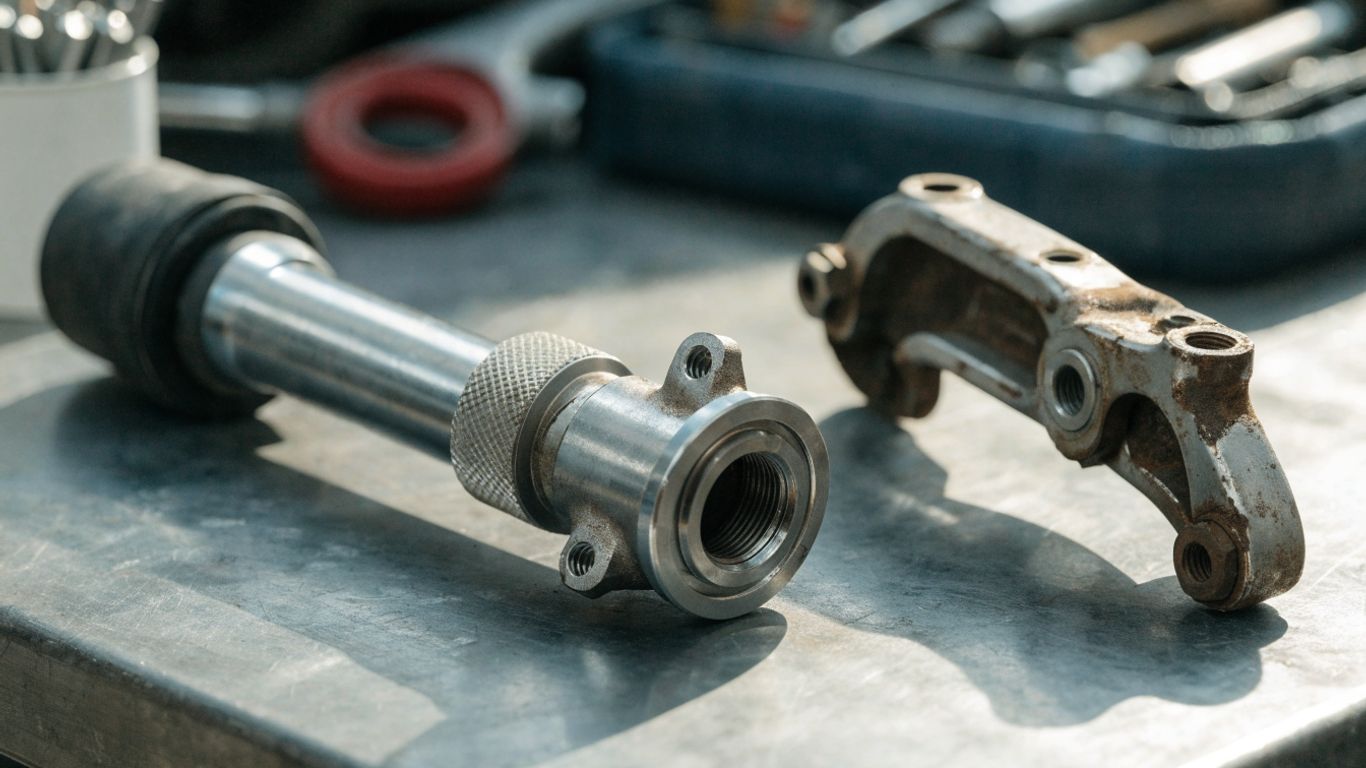
An original-equipment part and an aftermarket replacement may be different purchasing options, but the label alone does not establish whether a particular part is suitable. Check its stated application and part details, and ask how the listing was matched to the vehicle. If considering a listed replacement for a Korando C, confirm the application for the specific vehicle before ordering a 4666034050 tie rod end.
Check materials, seals, and build quality
Review the available specifications and inspect the part and packaging for visible damage when it arrives. The joint should be protected by an intact seal, with no signs of contamination or rough handling. If the seller does not provide enough detail to assess the part, ask for clarification rather than assuming features that are not documented.
Decide whether to replace one side or both
The inspection findings should guide whether one side or both need replacement. A fault on one side does not automatically mean the other is worn, though the opposite side should be checked while the vehicle is being examined. Ask the technician to explain the condition of each component and the reason for any additional recommended work.
Verify what hardware is included
Check whether the listing includes the fasteners or other installation items required for the specific application. Do not assume a part comes with new hardware unless the seller says so. For a listing such as part 89034 tie rod end, verify both vehicle compatibility and package contents before placing an order.
What to expect during diagnosis and replacement
Diagnosis begins with checking the steering linkage and related suspension components, not simply swapping a part because a symptom sounds familiar. If a tie rod end is confirmed faulty, the technician can explain the work, the parts required, and any related issues found. Ask what inspection results support the recommendation.
Inspect for play, damage, and loose connections
A technician can check the joint for excess movement, visible damage, and loose connections while assessing nearby steering and suspension parts. The inspection should identify whether the problem is at the inner or outer tie rod and whether other components also need attention. Any diagnosis should be based on observed condition, not just the vehicle’s make or a general symptom list.
Record the original tie rod position before removal
Noting the original position or counting turns during removal can help keep the adjustment close to its starting point. It is only a rough aid, not a replacement for alignment measurements after installation. The final setting needs to be checked with appropriate equipment.
Use the correct tools and tightening specifications
Steering parts need to be fitted securely using suitable tools and the correct tightening specifications for the vehicle. Guessing at torque or reusing hardware without checking its condition can create avoidable risks. The technician should follow the applicable service information for the exact vehicle and replacement part.
Arrange a wheel alignment after installation
Replacing a tie rod end can change the steering adjustment, so a wheel alignment should be arranged after installation. The alignment check also helps reveal whether related wear or damage needs further attention. Confirm the alignment has been completed before judging the repair by how the vehicle tracks.
Costs and maintenance considerations
The final bill depends on more than the part price. Labor time, access, condition of nearby components, and the need for an alignment can all affect the total. A written estimate that separates these items makes it easier to understand what is included.
Understand the parts and labor factors
Parts pricing varies with the exact application and the type of replacement selected. Labor depends on access, the condition of the existing connections, and the time needed to complete the work safely. Ask whether the estimate covers diagnosis as well as installation, and whether any additional work would require your approval.
Account for alignment and related repairs
Include the cost of an alignment when comparing repair estimates, since it may be needed after the steering linkage is disturbed. If inspection finds worn neighboring components, those repairs can affect the total as well. For Kyron owners seeking a local repair estimate, Kyron tie rod replacement quotes offer one way to explore pricing; compare what each quote includes before deciding.
Recheck steering feel after replacement
After the work and alignment, notice whether the steering feels consistent and the vehicle tracks as expected. If there is still a knock, looseness, or unusual pull, report it promptly so the repair can be checked and other possible causes considered. Do not treat a changed feel as proof that the original diagnosis was wrong or right without a follow-up inspection.
Inspect tie rod ends during routine maintenance
Have steering and suspension components checked during routine maintenance, and sooner if new symptoms appear. Keep an eye on tire wear and report sudden changes rather than waiting for the next scheduled visit. A small amount of attention can help identify developing problems before they become more disruptive.
Conclusion
Tie rod ends are straightforward parts with an important role in steering, but symptoms can overlap with other faults and fitment can vary between vehicle versions. Confirm the exact application, base replacement decisions on an inspection, and include alignment in the plan. Those steps make it easier to choose a suitable part and understand the work involved.
Frequently Asked Questions
Can I drive with a worn tie rod end?
A worn steering joint can affect steering control, and the seriousness depends on its condition. If you notice looseness, wandering, or a new knock, arrange an inspection promptly and avoid continuing to drive if the vehicle feels unsafe.
What does a bad tie rod end sound like?
Some drivers report a clunk or knock from the front end, especially over bumps, but other suspension parts can make similar noises. The sound alone cannot confirm the cause.
Can a tie rod end cause uneven tire wear?
Excess movement in the steering linkage can affect alignment and contribute to uneven wear. Tire condition and other suspension faults can also cause wear, so an inspection is needed.
Is an inner tie rod the same as an outer tie rod end?
No. They are separate components in the steering linkage, located at different points and serving different connections. Confirm which one has been identified before ordering a replacement.
Should I replace tie rod ends in pairs?
Not automatically. Have both sides inspected and base the decision on their actual condition, the repair recommendation, and the vehicle’s service requirements.
Does a tie rod end replacement require an alignment?
An alignment is generally appropriate after tie rod work because the adjustment can change during removal and installation. Confirm the plan with the repairer for the specific vehicle and repair.
How can I make sure a replacement tie rod end fits?
Check the vehicle’s model, year, engine, side, and steering position, then compare part numbers and specifications. A supplier can use the vehicle identification number to help verify the application.