

Key Takeaways
Navigating the replacement parts market for specific vehicles ensures longevity and peak performance. Understanding compatibility and sourcing strategies helps avoid common pitfalls in automotive maintenance.
- Identify exact chassis codes for component accuracy
- Prioritize OEM parts for mission-critical engine functions
- Use vehicle identification numbers to verify compatibility
- Compare new versus used market pricing for value
- Audit physical parts for signs of counterfeiting
Understanding the Ssangyong Turismo parts landscape
Maintaining a reliable vehicle requires familiarity with its specific hardware and assembly history. Owners often struggle to locate the correct inventory due to shared manufacturing bases with predecessor models. Grasping how these parts circulate through the aftermarket helps ensure that every repair aligns with the manufacturer’s technical standards.
Identifying vehicle generation and chassis codes
Locating the correct component starts with identifying the chassis code, which effectively serves as a unique fingerprint for your specific vehicle build. These codes are usually stamped on the vehicle identification plate located under the hood or observed via the dashboard VIN aperture. Relying on model years alone can lead to frustration, as mid-cycle updates often result in minor yet significant structural changes.
Original Equipment Manufacturer (OEM) versus aftermarket components
Deciding between factory-specified items and third-party alternatives involves weighing cost against long-term reliability. Genuine SSANGYONG TURISMO II accessories often come with guarantees of perfect fitment, whereas aftermarket parts may offer a broader spectrum of pricing and localized availability. Most enthusiasts prefer to stick with original specifications for heavy-duty components to maintain safety standards throughout the vehicle’s lifespan.
Why cross-referencing part numbers is critical
Numerical identifiers are the primary tool for confirming component application. If you have been searching for Ssangyong Turismo parts, you may find that searching by a specific numeric string prevents the acquisition of sub-par or mismatched hardware. Using reliable documentation helps you bypass generic databases that might house incorrect regional variants, ensuring that you invest in the correct part from the start.
Key differences between Ssangyong Turismo and Rodius parts
While the two models share significant structural DNA, mechanical mounting points sometimes differ depending on the production year. Ignoring these discrepancies often leads to returns and lost time during critical repairs. A common challenge is recognizing part nomenclature variations; some retailers categorize these by overlapping design families, requiring owners to verify that the item fits the later Turismo iteration rather than the earlier Rodius platform.
Essential engine and drivetrain components
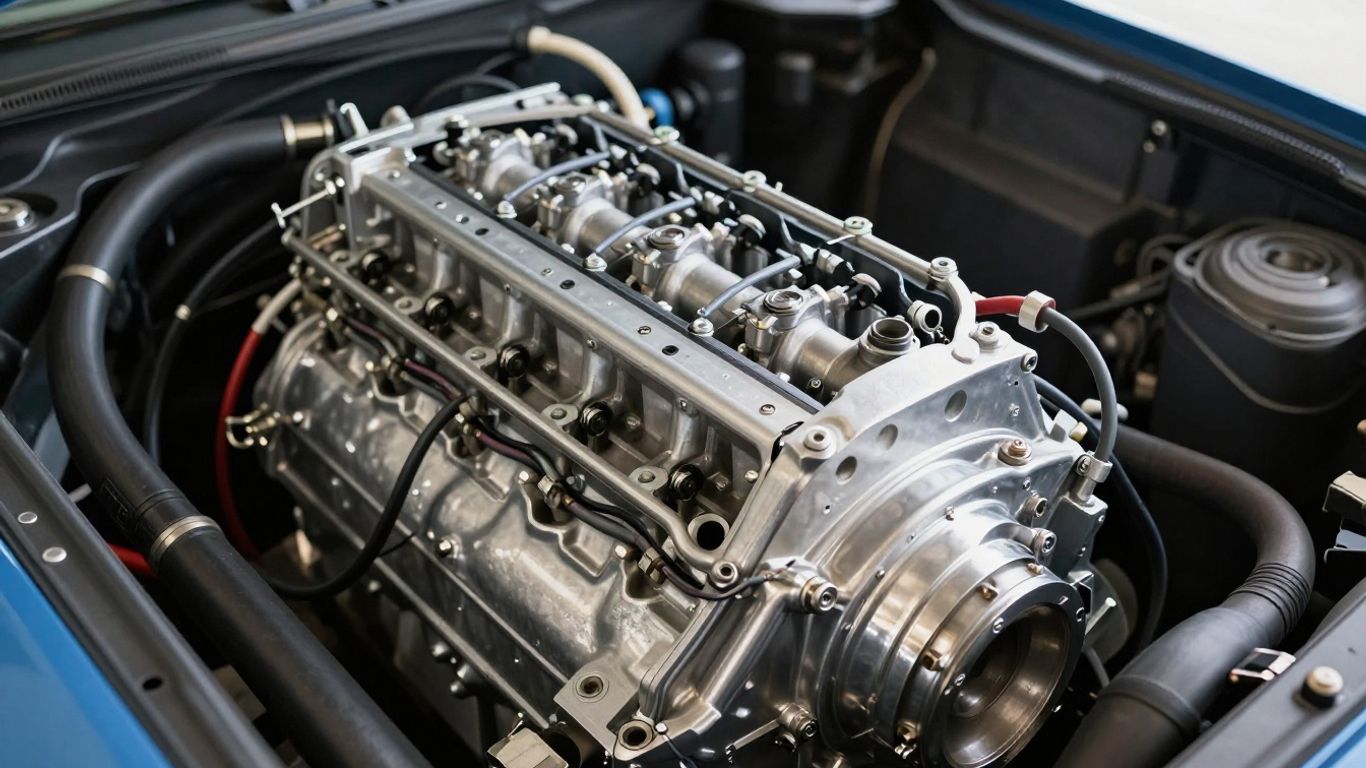
The engine and drivetrain form the heart of the vehicle, requiring strict adherence to service intervals and high-quality replacements for continued operation. Neglecting these areas often leads to performance degradation or catastrophic failure, making the selection of durable components a top priority for any serious owner. Proper maintenance involves monitoring fluid levels and ensuring that internal mechanical parts are replaced well before their theoretical expiration date.
Timing chain and belt maintenance protocols
Following the recommended manufacturer schedule is essential, as the failure of these components typically results in significant valve train damage. Proactive inspection allows you to address degradation before it compromises engine timing. Ensure that any replacement set includes all modern tensioner upgrades to prevent future slippage.
Managing diesel particulate filter (DPF) issues
DPF systems require specific driving conditions to regenerate properly, and ignoring warning lights can lead to irreversible clogs. Owners might find professional shops like GSF Car Parts helpful for specialized diagnostic tools that clear stubborn codes. When the system reaches the end of its life, selecting a compatible replacement filter is necessary to maintain emissions compliance.
Transmission fluid and sensor troubleshooting
Modern transmissions rely heavily on precision sensors to manage gear transitions, making fluid health vital for smooth operation. You can observe the impact of maintenance through the following table:
| Maintenance Task | Frequency | Expected Benefit |
|---|---|---|
| Fluid Flush | Every 60,000 km | Smoother gear shifts |
| Sensor Cleaning | Annual Inspection | Reliable signal output |
| Solenoid Check | During Service | Prevents limp modes |
Regular fluid changes extend the operational window of these sensitive mechanical systems significantly.
Sourcing turbocharger and cooling system replacements
Forced induction systems require extreme care, especially regarding oil quality and cooling efficiency. If the turbocharger exhibits excessive play or oil consumption symptoms, immediate action is required to save the engine block. Cooling system components should always be assessed for leaks, as even a small drop in pressure can result in localized hot spots that permanently damage critical seals.
Interior and electronic accessories
Interior upkeep sustains the comfort and daily usability of the vehicle. Replacing worn materials can revitalize a cabin and improve overall ergonomic performance, ensuring that every drive remains comfortable regardless of vehicle age.
Replacing worn interior trim and upholstery
Over time, high-touch points like steering wheels and seat bolsters can show significant wear from regular use. Sourcing high-grade replacement trims requires checking that the material matches the existing factory color and texture profiles. This keeps the cabin looking fresh and preserves the tactile quality expected in a passenger-centric vehicle.
Diagnosing infotainment and electrical gremlins
Electronic failures often manifest as flickering displays or connectivity issues, typically linked to oxidized connections. Before replacing an entire navigation unit, check the fuse box and grounding points to rule out simple distribution errors. When professional diagnostics are required, specialized Ssangyong Turismo car parts retailers can provide the wiring diagrams necessary for effective troubleshooting.
Sourcing climate control blower motors and cabin filters
Climate control performance depends heavily on the airflow path remained unobstructed. Regular replacement of cabin air filters is a basic task, but if the fan itself begins to rattle or lose speed, the motor assembly usually requires replacement. Use this specific sequence to ensure a successful swap:
- Disconnect the negative battery terminal for safety.
- Access the blower motor housing from beneath the glove box.
- Remove the retaining screws holding the assembly in place.
- Install the new motor and reconnect all wiring harnesses.
- Test variable fan speeds before closing the trim panel.
Following these steps ensures that the climate control system operates at peak capacity.
Selecting seat adjustment mechanisms and safety belt components
Passenger safety relies on the integrity of seat and belt retractors. Always prioritize structural components sourced from verified suppliers, as aftermarket "safety" items often lack necessary tension or latch reliability. If the adjustment track feels loose or jerky, inspect the drive gears for plastic fatigue and replace the entire mechanism if necessary to ensure it remains fully locked during operation.
Exterior body parts and safety features

The outer shell faces constant environmental stress, requiring careful selection of materials and hardware to maintain both aesthetics and occupant safety. Protecting these elements preserves the vehicle’s structural integrity and keeps the exterior looking polished through all seasons.
Finding replacement lighting and headlight assemblies
Light degradation is a reality for aging lenses, particularly with UV exposure. Replacing headlight housing improves light dispersion, substantially increasing nighttime safety and clarity. Many owners choose specific replacement modules that provide better beam patterns, especially when upgrading from standard halogen to more intense lighting variants.
Sourcing door handles, locks, and mirror housings
Constant usage often wears out external touch points before the body panels themselves show degradation. Sourcing these requires matching the OEM paint code or finish to ensure everything rests flush against the frame. Many owners turn to guaranteed used parts for cosmetic items that are no longer in production to keep replacement costs low.
Evaluating suspension bushings and steering linkages
Suspension health dictates how the vehicle handles the road under load. Worn bushings manifest as wandering steering or clunking sounds during cornering, which can be fixed with quality aftermarket poly replacements or heavy-duty rubber. Always perform a front-end alignment immediately after replacing any steering linkage components to prevent uneven tire wear.
Brake pad, rotor, and caliper upgrade options
When evaluating braking systems, consider the vehicle’s potential load, especially if it is used for heavy travel. High-friction pads paired with vented rotors significantly enhance stopping power and heat dissipation during long descents. Check the condition of caliper slides to prevent binding, which is a common silent issue that increases fuel consumption by resisting free movement.
Where to source genuine Ssangyong Turismo parts
Finding the right source requires balancing speed, cost, and reliability. Authorized departments provide the most security regarding part specs, yet scrap yards and secondary markets offer necessary avenues for value-oriented repairs.
Utilizing authorized dealership parts departments
A direct check with the dealership remains the gold standard for accuracy. They hold granular diagrams that identify obscure clips and sensors, ensuring that your repair does not stall due to missing hardware. Although sometimes costlier, their inventory matches the original requirements perfectly, reducing the risk of a misfitted replacement.
Navigating online scrap yards and salvage specialists
Recycled parts provide a cost-effective solution for structural panels and non-wear items. When reviewing salvage inventory, ask specifically about the mileage or reason for vehicle retirement. This approach helps in securing discontinued elements that would be otherwise impossible to find through traditional retail channels.
Identifying reliable third-party international importers
When domestic markets are dry, international importers often source original factory stock. Verify their reputation through seller feedback history, looking for consistent ratings and clear return policies. Working with these specialists requires patience regarding logistics, but the outcome is often a genuine component that matches your exact vehicle build.
Managing the risks of purchasing new vs. used inventory
New vs. used is a calculated trade-off. New items carry the benefit of warranties and stress-free installation, while used parts can yield substantial savings for big-ticket assemblies like whole doors or bumpers. If your restoration involves selling your business assets later, maintaining the service records of every new part installed helps substantiate the value of your vehicle during any future transition.
Safety and quality verification
Ensuring that every component is safe for installation requires rigor. The market for automotive parts is vast, and diligent verification protects you from substandard hardware that could fail during transit.
Signs of counterfeit automotive hardware
Counterfeit parts often feature poor molding lines, inconsistent font prints on packaging, or missing security holographic labels. Compare the weight and finish to the component you are replacing; if the new item feels significantly lighter or lacks the tactile density of the original, it is likely a low-quality knockoff. Always source hardware from suppliers with established vetting protocols.
Validating component compatibility via VIN lookups
Using the VIN ensures that your order reflects the exact mid-model hardware configuration. This code acts as the master key in the dealer’s logistics system. Reliance on this 17-character identifier eliminates the guesswork often associated with catalog browsing, preventing the common issue of ordering for a pre-facelift build when your vehicle is post-facelift.
Understanding warranty coverage for replacement parts
Before finalizing any order, confirm the duration and terms of the parts warranty. Some manufacturers offer extensive coverage for their electrical components, whereas wear-and-tear items have shorter life cycles. Knowing the fine print helps determine when it is worth investing in a more expensive brand that offers a longer safety net against defects.
Reviewing safety testing compliance for structural components
Structural parts like seat rails and suspension mounts must be compliant with international impact testing standards to ensure passenger protection. Never install salvage structural parts that show signs of previous structural deformation or oxidation. Verify that any replacement carries the relevant certification marks required in your region to maintain the base structural integrity of the passenger compartment.
Conclusion
Selecting the right components for your vehicle involves a balance between research, verification, and strategic sourcing. By prioritizing VIN-specific compatibility and sourcing from reputable retailers, you ensure that your vehicle remains in top working order for years to come.
Frequently Asked Questions
How often should I check chassis codes for part compatibility?
You should verify your specific chassis code every time you order a component related to engine, body, or electronic integration to avoid mismatches caused by model year updates.
Are aftermarket parts ever better than original equipment?
Aftermarket parts can sometimes offer enhanced materials or specialized designs, such as high-performance braking components or upgraded bushings, that exceed the longevity of stock items.
What are the main hazards of buying used electronic components?
Used electronic parts may suffer from hidden oxidation, broken connection pins, or corrupted internal software, which are often difficult to detect until the component is installed.
Can I upgrade my infotainment system to the latest versions?
Upgrading is possible, but you must ensure the new unit supports the specific electrical harness and communication protocols prevalent in your vehicle’s existing architecture.
How do I know if a part is genuine SsangYong?
Genuine items typically come in original manufacturer-branded packaging and feature explicit identification numbers that correlate with the manufacturer’s central digital database.
Why does the VIN matter for cooling system repairs?
Different regional configurations for cooling systems depend on the original production specifications linked to your specific VIN, preventing the purchase of mismatching hoses or radiators.
Are there specific tools needed to identify genuine safety parts?
While complex digital scanners for verify authenticity are often reserved for workshops, visual inspection tools like calipers and precision scales are effective for identifying clear build-quality discrepancies.