
Key Takeaways
Maintaining a vehicle correctly often requires a mix of patience and reliable information to ensure long-term performance. This guide provides essential steps for keeping your car in top shape.
- Identify your vehicle generation early to prevent purchasing errors.
- Prioritize authentic components whenever possible for critical systems.
- Develop a consistent schedule for inspecting filters and fluid levels.
- Utilize verified online retailers for sourcing hard-to-find repair supplies.
- Document your maintenance history to ensure consistent service intervals.
Understanding Ssangyong Actyon vehicle specifications
Every owner eventually reaches a point where they need specific components to keep their vehicle running reliably. Understanding the nuances of your particular model is the first step toward getting the right fitment the first time you shop for parts. Relying on generalized information often leads to frustration during the installation process, so clarity is essential from the start.
Identifying your specific Actyon generation and trim
The Ssangyong Actyon platform evolved through several iterations, each featuring subtle adjustments to drivetrain and interior configurations. Whether you drive the earlier model or a later update, being precise about your trim level ensures that sensors and body panels align perfectly during replacement. When you begin searching for Ssangyong Actyon 2025 parts, having your exact production year helps narrow down the massive list of potential candidates.
Where to find your VIN and vehicle identification data
Your Vehicle Identification Number, or VIN, is the most crucial piece of data for identifying compatible assemblies. It is usually stamped on the chassis near the passenger seat base or under the hood on the firewall, providing a direct link to the original engineering specifications for your build. Cross-referencing this number with digital records allows for confident ordering, even if you are unsure about the specific engine variant currently installed under your bonnet.
Essential parts compatibility for different engine types
Engine variations significantly dictate what mechanical components you need, especially concerning cooling systems and fuel intake. A diesel engine configuration will require vastly different filters and gaskets compared to a gasoline version, and assuming parts are interchangeable across these types is a common mistake for newer DIY enthusiasts. Always ensure that the specific unit you are sourcing matches the engine code found on your emission plate or engine block.
Types of parts available for your Ssangyong Actyon
Navigating the massive aftermarket ecosystem requires knowing which categories of hardware exist for your vehicle. Manufacturers and third-party vendors provide varied solutions, and choosing between them changes the overall longevity and cost of your repair project.
Original equipment manufacturer versus aftermarket components
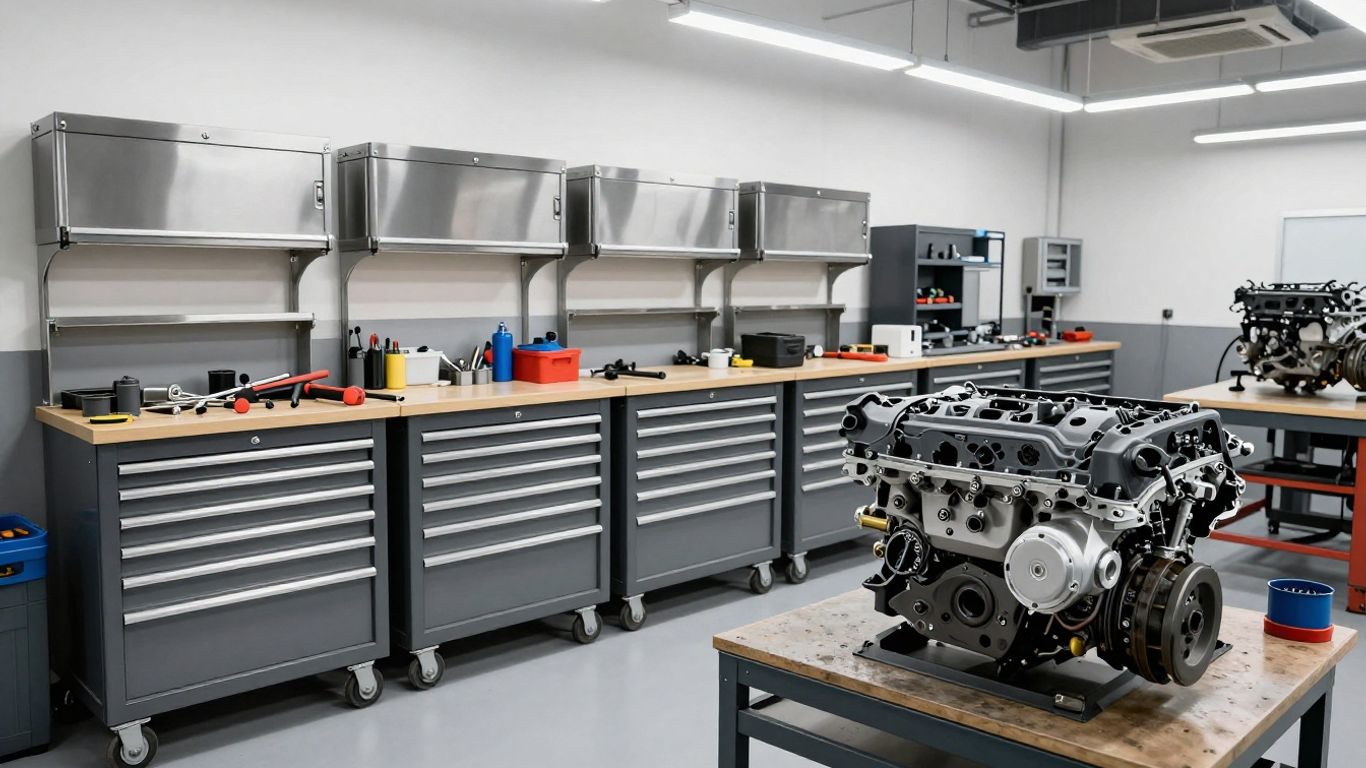
OEM components are engineered by the factory to match the exact design standards of your vehicle at the time of assembly. While they often command a higher price tag, they remove the guesswork from fitment. Conversely, aftermarket parts provide an alternative that might prioritize cost savings or improved thermal resistance, but they require a bit more legwork to ensure quality.
Remanufactured and recycled parts options
Choosing recycled components from salvage operations can be a sensible approach for non-critical aesthetic parts or heavy metal components that rarely fail. Remanufactured items, such as alternators or steering racks, are often rebuilt to meet the original design tolerances, offering a middle ground between new stock and used inventory. This approach is sustainable and can save significant resources when addressing older vehicles with limited new parts availability.
Performance upgrades and aesthetic modifications
If you are looking to refine the handling or appearance of your vehicle, the market offers several specialized upgrades. Enthusiasts often search for aftermarket lighting, suspension geometry kits, or intake modifications that can breathe new life into older models while improving daily drivability.
Sourcing reliable Ssangyong Actyon parts
Finding a dependable supply chain is essential when you maintain an older vehicle. Having a trusted method to locate items saves you from the cycle of returning incompatible hardware.
Verified online parts retailers and catalogs
Using a digital Ssangyong parts directory can simplify the task of finding specific filters, brake pads, or sensors. These platforms categorize items by specific model years and engine types, which provides a level of certainty before you checkout. You might find that looking for Ssangyong Actyon parts through established web channels helps you access broader inventory than your local area might host.
Navigating local salvage yards and breakers
Physical salvage yards remain a hidden resource for finding rare trim clips or discontinued interior panels that haven’t been manufactured in years. The process requires a physical inspection of any candidate part to ensure that the material has not degraded, but it can provide an immediate solution when you are mid-project. It is often wise to bring a companion who can help verify the condition of parts like door handles or window regulators on-site.
Benefits of sourcing directly from specialized wholesalers
Wholesalers often operate as the primary bridge between factory stocks and independent retail shops. By securing parts directly from these sources, you often bypass several layers of markup, and you can leverage Trivexa BR to compare pricing strategies that protect your budget while ensuring you receive genuine components.
Tips for verifying part quality and authenticity
Quality assurance is the difference between a successful, long-term fix and a repetitive maintenance cycle. Sellers vary in their standards, so taking proactive steps to inspect your items is a vital skill.
Inspecting packaging and part serial numbers
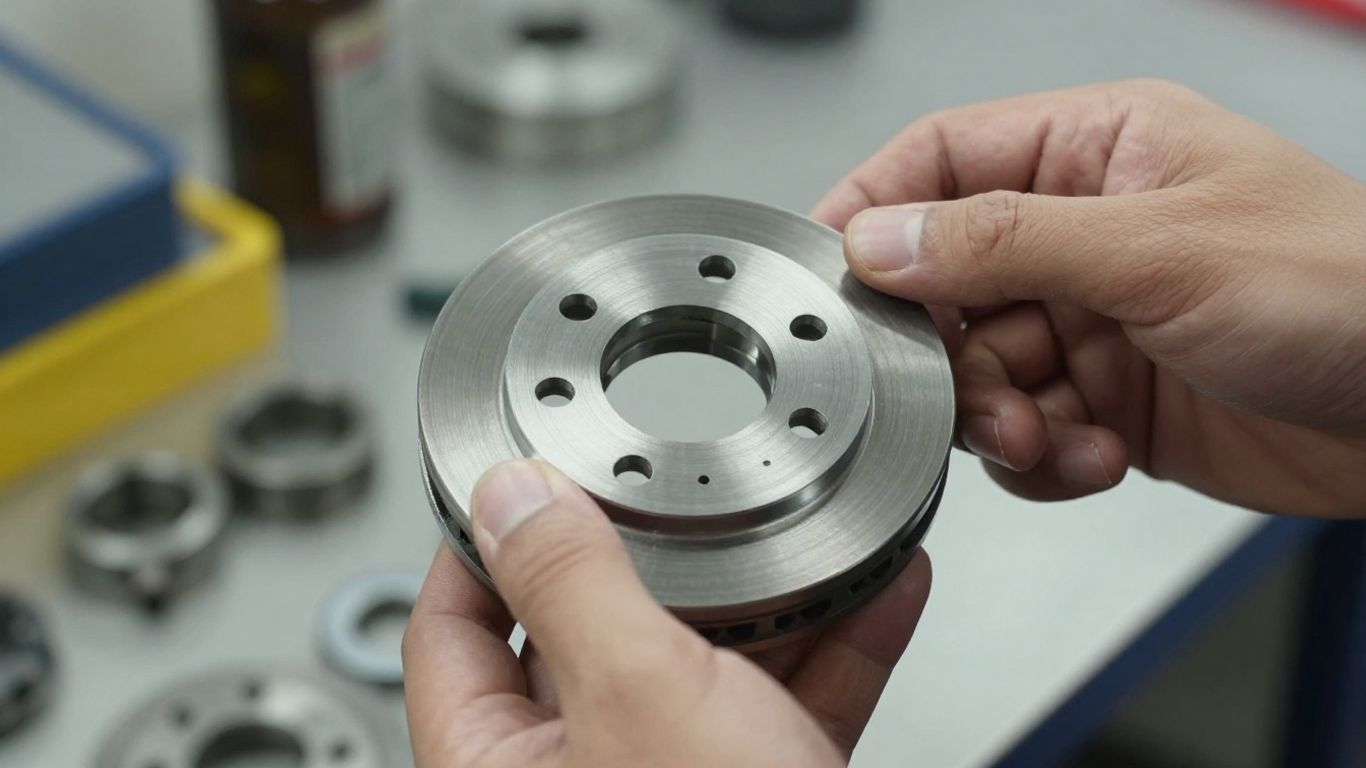
Authentic parts usually come in branded, serialized packaging that has not been tampered with or resealed. Comparing the serial number on the physical unit to your owner’s manual or online catalog creates a paper trail that verifies your purchase is actually intended for your vehicle.
Reading seller feedback and warranty policies
Before finalizing a purchase, spend a moment reviewing the history and feedback left by previous buyers on the platform. A seller who offers a clear, multi-year warranty on their inventory usually implies a high level of confidence in the quality of their stock. To help you structure your searches, consider these indicators of a high-quality seller:
- Detailed return policies that explicitly cover shipping costs.
- Photographic evidence of the specific item you are receiving.
- Clear communication regarding the compatibility of their inventory.
- Consistent, positive feedback from other specialized model owners.
Red flags to avoid when buying used parts
If a price for a part seems unusually low compared to the market average, it often signals that the unit has been harvested from a high-mileage vehicle or that it has hidden cracks. Keep an eye out for signs of environmental exposure or excessive corrosion, as these indicate that the metal has lost its integrity over time. Always prioritize items in better condition even if the price is slightly higher, as the hidden labor cost of replacing a failing part a second time will always outweigh the savings.
Common maintenance parts needing periodic replacement
Regularly scheduled maintenance prevents the frustration of roadside breakdowns. Keeping a stock of common wear items at home ensures you are ready when the odometer hits the next milestone.
Essential filters and fluid requirements
Engine health depends on clean fluids flowing through efficient filters. Cabin air filters and engine oil filters should be changed according to the manufacturer’s suggested interval, generally falling under a few standard service windows:
| Part Type | Typical Replacement Cycle |
|---|---|
| Engine Oil Filter | Every 5,000 to 7,500 miles |
| Cabin Air Filter | Every 12,000 to 15,000 miles |
| Fuel Filter | Every 20,000 to 30,000 miles |
Fluids like synthetic oil and coolant are the lifeblood of your engine, and waiting too long to swap them invites sludge buildup that is difficult and expensive to remediate.
Brake pad and rotor wear assessment
Brake performance should be verified every time you rotate your tires or change your oil. Rotors should be checked for grooves or warping, while pads should always be replaced as a full axle set to maintain even braking pressure. Ignoring a squeal can lead to scoring the rotors, which drastically increases the cost of your brake service.
Suspension and steering component maintenance
Suspension bushings and ball joints naturally wear down as they handle the constant stress of rough roads. If you notice wandering in the steering or strange clunking sounds over bumps, take the time to inspect the rubber boots and connections. Replacing these small parts early will protect your tires from uneven wear and keep your ride comfortable for the long haul.
Installation and DIY best practices
Approaching your own repairs requires the right mindset and a focus on safety above all else. When you start working under the hood, patience ensures you don’t bypass critical steps.
Essential tools for handling Ssangyong repairs
Investing in a quality set of metric sockets, torque wrenches, and dedicated pry tools makes a tremendous difference in your ability to perform clean work. Using the wrong tool can easily strip a bolt, turning a ten-minute job into a multi-hour ordeal that might requires professional assistance later.
Safety protocols for high-pressure fuel and electrical systems
Electrical and fuel lines require extra caution, as these systems can hold pressure or charge even after the vehicle has been turned off. Always disconnect the battery before tinkering with wiring, and be aware of fuel pressure release points to avoid spills or fire hazards.
Maintaining your vehicle properly is more about the consistency of your approach than the complexity of the tools you use. By tracking your progress and understanding each system before turning the first bolt, you build a sustainable routine that preserves the value and reliability of your transport.
When to consult a professional mechanic
There are moments when the scope of a repair, or the necessity for specialized diagnostic sensors, dictates that a pro should handle the job. If you feel uncomfortable with the required safety measures or realize that you lack the necessary specialized equipment for a job like an engine timing adjustment, reaching out to an experienced mechanic is the smartest decision for your vehicle’s future.
Conclusion
Successfully maintaining your vehicle comes down to consistent oversight, informed sourcing, and knowing your limits during repair tasks. By keeping meticulous records and selecting your replacement items with care, you ensure your car remains a loyal companion on the road for many years.
Frequently Asked Questions
How often should I check my vehicle fluid levels?
You should visually check your fluid levels, such as oil and coolant, at least once a month or every few fuel fill-ups to catch small leaks before they turn into major engine failures.
What does it mean when a part is listed as an aftermarket alternative?
An aftermarket part is defined as any component manufactured by a company other than the primary original manufacturer of the vehicle, often providing a variety of price points for necessary replacements.
How can I verify that a part fits my exact vehicle year?
Always use your specific 17-digit VIN to cross-reference with provided parts catalogs, as this is the only way to guarantee the item is engineered specifically for your vehicle assembly date.
Are recycled parts generally safe to use?
Recycled parts are often safe for non-mechanical aesthetic or frame usage, provided they show no signs of structural damage or significant corrosion during your physical inspection.
Why do I need to replace brake pads in full sets?
Brake pads must be replaced in sets for each axle because replacing only one side can cause uneven braking force, pulling the steering wheel to one direction during an emergency stop.
What are the main signs that suspension parts are failing?
Common symptoms include audible clunking or knocking noises over small bumps, uneven tire wear patterns, or a feeling that the steering is loose and wandering at highway speeds.
When is it better to buy a brand new part instead of a used one?
For critical safety components like brake lines, sensors, or complex timing assemblies, buying new is always recommended because these items have a functional lifespan and their internal wear is often invisible to the naked eye.