
Key Takeaways
Maintaining a vehicle requires understanding the distinction between component types and the logistics of global supply chains. This overview covers the essential steps for keeping your vehicle in top condition.
- OEM parts offer manufacturer-certified compatibility.
- Always cross-reference VIN data for accurate ordering.
- International sourcing requires attention to customs protocols.
- Regular maintenance schedules prevent premature component failure.
- Reputable distributors ensure long-term vehicle reliability.
Understanding the Ssangyong parts supply chain
Navigating the parts supply chain for these specific vehicles involves distinguishing between various sourcing channels that have evolved over decades. Owners must recognize the history of ownership changes to identify compatible components for their specific production years. Finding genuine and OEM SsangYong auto parts that match factory specifications is the first step in successful vehicle ownership.
The difference between OEM and aftermarket parts
Original Equipment Manufacturer components arrive with the direct endorsement of the brand, created to match the precise engineering of the vehicle at the assembly level. These parts provide a guarantee of physical fit and operational parameters that generic versions occasionally struggle to meet. While aftermarket options may exist at lower price points, they are often manufactured to universal specifications rather than model-specific tolerances.
Identifying the KGM brand transition
Recent corporate shifts have rebranded the company under the KGM identity, a change that impacts how current parts are cataloged in digital databases. Owners of newer models will notice updated labeling and packaging that reflects this transition. For those searching for genuine and aftermarket KGM car parts, it is beneficial to look for the updated branding to ensure the component is current and eligible for brand-backed support.
Challenges of sourcing older Ssangyong model components
Locating specialized parts for legacy models produced during various international ownership periods often presents unique logistical hurdles. Production cycles for specific mechanical assemblies are finite, and some parts become increasingly rare as fleets age. Professionals often compare the process to managing complex product marketing strategies where inventory availability dictates the feasibility of repairs for specific, older customer segments.
Benefits of choosing genuine OEM components
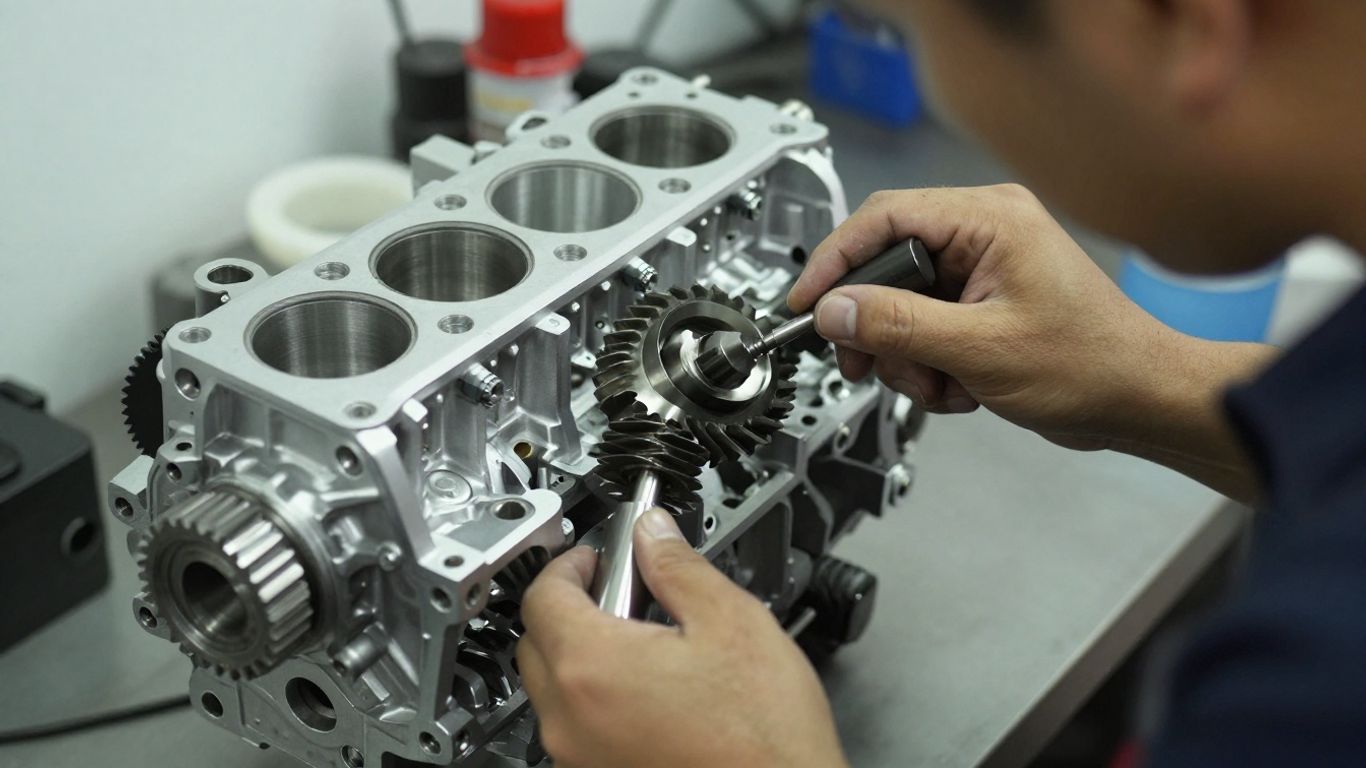
Selecting factory-certified components remains the most reliable method for preserving the mechanical integrity of a vehicle over its operational lifespan. These parts undergo iterative testing to ensure they handle the specific stresses typical of the brand’s powertrain and chassis configurations. Investing in genuine components is a strategy focused on maintaining your Ssangyong vehicle at peak performance standards.
Ensuring vehicle factory performance
Factory components are built with the exact metallurgical and mechanical specifications intended by the designers, which directly influences how the vehicle performs under load. Deviations from these specs, even in small components like seals or gaskets, can eventually cause a cascading effect on larger systems. Using official parts helps retain the smooth handling characteristics that defined the vehicle at the time of purchase.
Warranty compatibility and safety compliance
Using authorized parts is frequently a prerequisite for maintaining active warranty coverage on newer vehicles, as non-standard modifications may void existing agreements. Beyond the legalities, adhering to safety standards ensures that braking and electronic modules communicate as intended by the manufacturer. These licensing agreements between component developers and the parent company serve to standardize the safety metrics across the entire fleet.
Long-term reliability and component lifespan
Durability tests performed on OEM parts emphasize resistance to extreme temperatures and high-cycle usage, particularly in demanding conditions. When a part reaches the end of its life, replacing it with an equivalent genuine unit resets the countdown to the next service interval with predictable parameters. Proper maintenance avoids the need for early replacement, which eventually lowers the total cost of ownership.
Navigating aftermarket options for Ssangyong vehicles
Aftermarket parts offer a range of solutions for owners who need budget-conscious alternatives or parts for modified vehicle builds. Choosing these components requires an understanding of how genuine and aftermarket SsangYong spare parts vary in construction and durability. Navigating this marketplace effectively often mimics the precision required when selecting line marking paint for high-traffic environments where accuracy is the only way to ensure lasting performance.
Pros and cons of third-party alternatives
Third-party manufacturers often focus on price reduction, which is useful for non-critical repairs. However, owners should weigh the advantages against the risks of poor tolerances or material quality that might shorten the life of the component.
- Lower initial purchase cost.
- Greater availability in certain local markets.
- Suitable for aesthetic or non-critical body parts.
- Variable quality control between manufacturers.
- Potential risks regarding long-term component compatibility.
Identifying reputable aftermarket manufacturers
Successful identification involves researching brands that specialize in regional vehicle production rather than generic "fits-all" companies. Trusted manufacturers usually provide documentation detailing their testing methodologies, ensuring the parts meet safety standards relevant to your vehicle.
Cost-benefit analysis of generic performance parts
For those considering generic upgrades, a structured approach to evaluation helps prevent expensive mistakes where the short-term savings are eclipsed by long-term labor costs.
| Feature | OEM Parts | Generic Aftermarket | Remanufactured |
|---|---|---|---|
| Fitment | Precision | Variable | Good |
| Warranty | Full | Limited | Basic |
| Cost Level | High | Low | Medium |
Essential tools for parts identification
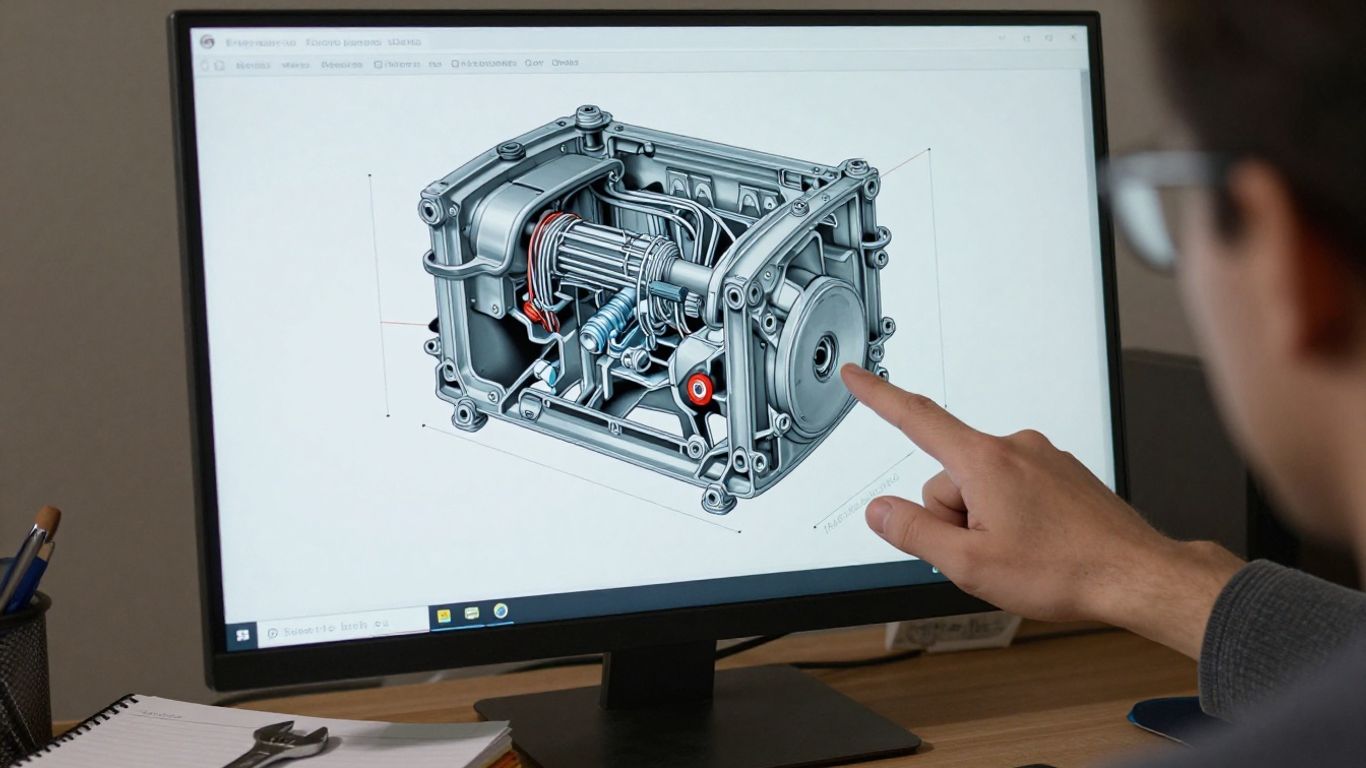
Precision in parts ordering relies entirely on your ability to extract the correct identifying data from your specific vehicle’s build record. Making assumptions based on the model name alone is a common error that leads to ordering the wrong configuration for the regional market. Proper identification ensures you receive the correctly matched component for your genuine Ssangyong spare parts in Malaysia requirements or other international regions.
Locating your VIN for accurate part matching
Your Vehicle Identification Number serves as the single source of truth for technical specifications, factory options, and production dates for authorized vendors. Finding this number on the dashboard or the driver-side door frame is the most critical step before contacting any parts supplier. Without the VIN, identifying subtle model-year variations becomes significantly more difficult.
Using online parts catalogs and diagrams
Digital diagrams allow owners to visualize the assembly of their vehicle and identify the precise part numbers required for a repair. These resources often break down complex segments like suspensions or engine cooling systems into individual components, simplifying the identification of the exact hardware or seal needed.
Cross-referencing part numbers with global databases
Many professional workshops use multi-brand databases to confirm part numbers across overlapping vehicle platforms and eras. This cross-referencing helps when a specific part is discontinued, as it sometimes reveals a newer iteration that is physically identical. If you are moving overseas, having these part numbers recorded can make finding local support in your new country much more manageable.
Safely sourcing parts internationally
Importing parts directly from the source often feels like shopping on Xiaohongshu for exclusive global finds, requiring similar attention to detail and provider legitimacy. Reliable sourcing focuses on security, shipping protection, and confirming that the part number matches your specific market version. Whether looking for rare engine modules or interior trim, buying from a certified vendor is essential to avoid counterfeit components.
Importing components directly from Korea
Direct importing bypasses secondary retailers and ensures that the part is sourced from the primary manufacturing hub. Buyers should familiarize themselves with local import regulations, as customs officials will require specific documentation regarding the origin and value of the shipment.
Managing shipping costs and customs duties
Shipping expenses vary wildly based on the weight and size of the cargo, especially for heavy car parts. Factoring in potential customs duties and administrative fees is necessary for an accurate budget before clicking purchase, as these costs can surprise an unwary consumer.
Verifying vendor credibility in global marketplaces
Checking store reviews and requesting transparent shipping policies helps confirm that a vendor is trustworthy before committing funds. Legitimate sellers will provide consistent communication and clear return policies, protecting you from purchasing an incorrect or damaged item from a distant marketplace.
Maintenance tips to extend component life
Proactive care reduces the frequency with which you need to source replacement components, ultimately saving time and labor. Keeping a document trail of your vehicle’s service history is a wise practice, especially for models that require specific fluid types or torque specifications that differs from standard garage protocols.
Regular inspection schedules for high-wear items
Items like brake pads, air filters, and drive belts should be assessed within the intervals recommended by the service manual. Consistent monitoring allows for replacement at the exact right moment, preventing secondary damage that occurs when parts are run well beyond their design life.
Proper lubrication and fluid requirements
Using the exact fluid grades specified by the handbook prevents premature internal wear in the transmission and engine. Because improper viscosities can cause heat build-up or inadequate protection for moving parts, strictly following these technical recommendations is a fundamental practice for any car owner.
Preventing common Ssangyong model-specific issues
Consulting owner forums and technical bulletins helps you stay ahead of known issues that affect certain production runs, such as rust in specific locations or electrical sensor inconsistencies. Addressing these small issues early, before they manifest as critical failures on the road, remains the best way to maintain a vehicle. Taking this disciplined approach turns the ownership experience into a sustainable one, preventing constant reliance on major repairs.
Conclusion
Successfully sourcing parts for vehicles requires a combination of careful identification, selecting the right supply channel, and performing regular maintenance to extend the life of each component. By confirming part numbers through your VIN and prioritizing genuine manufacturer components where possible, you ensure your vehicle continues to perform reliably regardless of its age or where it was purchased.
Frequently Asked Questions
Can I use parts from newer models on my older vehicle?
Compatibility between model years is not guaranteed, even if the parts look similar, and it is essential to check if the specific part number is listed as a supersession or a direct functional update.
Why is the shipping cost for car parts so expensive?
Shipping costs are primarily driven by the weight, volume, and fragile nature of automotive items, which require extra packaging materials and specialized freight handling services.
Do I always need to use OEM parts?
OEM parts provide the highest assurance of compatibility and warranty protection, though high-quality aftermarket alternatives may be acceptable for non-critical, aesthetic, or high-wear items.
How do I identify if a parts website is legitimate?
Legitimate websites typically offer clear contact information, return policies, provide detailed part compatibility lists based on your VIN, and maintain professional security protocols for payment transactions.
What should I do if the part I received does not fit?
Double-check your VIN and the original part number of the item you removed from your vehicle, then immediately contact the supplier’s customer support before attempting any forced installation.
Can customs duties delay my international parts order?
Yes, customs processing times depend on your local authority’s efficiency, the accuracy of the declarations attached to your package, and the complexity of the inspection process.
How often should I check my vehicle for potential issues?
Regular inspections should align with the intervals specified in your owner’s manual, generally covering critical fluid levels and mechanical integrity before they impact daily performance.