
Key Takeaways
Ball joints connect suspension movement with steering, so wear can affect both ride quality and control. Symptoms can point to a problem, but inspection is needed to confirm the cause and the right repair.
- A ball joint lets the suspension move while the steering knuckle pivots.
- Clunks, wandering steering, uneven tire wear, and a damaged dust boot can be signs of wear.
- Road impacts, age, and contamination can contribute to joint wear.
- The correct inspection and replacement procedure depends on the vehicle’s design.
- Parts, labor, related suspension work, and alignment all affect the final bill.
What Ssangyong ball joints do
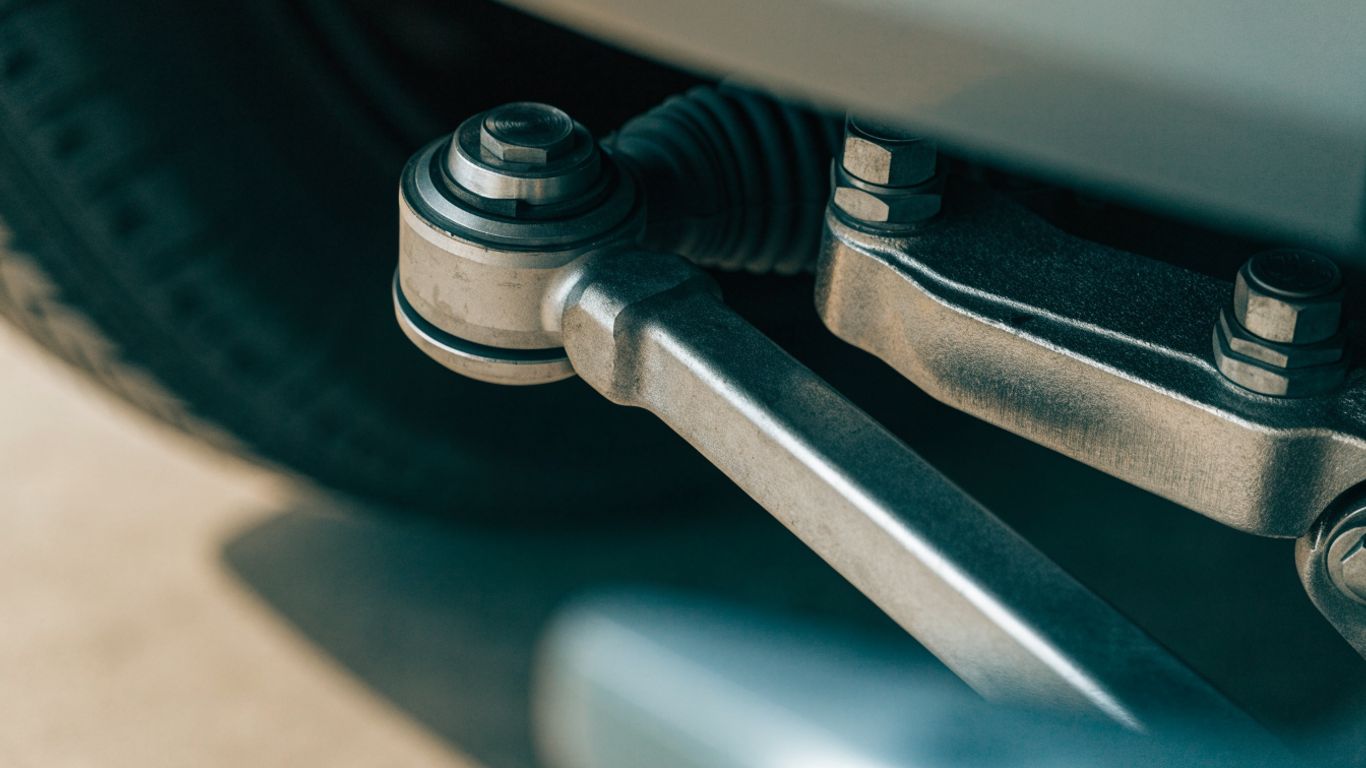
A ball joint is a pivoting connection in a vehicle’s suspension. It links parts that need to move together while the wheels travel over uneven pavement and change direction. Understanding that role helps explain why wear may show up as both a suspension noise and a change in steering feel.
How a ball joint connects the control arm and steering knuckle
The control arm moves with the suspension, while the steering knuckle supports the wheel assembly and pivots as the driver steers. A ball joint connects these components through a stud and socket, allowing them to articulate rather than being rigidly fixed together. The exact arrangement varies by suspension design, so not every vehicle uses the same number or position of joints.
How ball joints allow suspension movement and steering
As a wheel rises over a bump or drops into a dip, the suspension needs room to move. At the same time, the wheel must still turn in response to steering input. The ball joint’s pivoting action allows these movements to happen together, within the limits of the suspension geometry. A joint that is binding or excessively loose can interfere with the way the suspension and steering feel.
How ball joints differ from tie rod ends and other suspension parts
A tie rod end is part of the steering linkage and transfers steering movement toward the wheel. A ball joint, by contrast, connects suspension components while allowing the steering knuckle to pivot. Other parts, such as bushings and wheel bearings, have separate jobs, even though wear in any of them can produce noises or handling symptoms that seem similar. Similar symptoms can have different causes, so a noise alone cannot identify the faulty part.
Signs of a worn ball joint
A worn joint may produce a sound, a change in steering feel, or visible damage, but these clues do not prove the joint is at fault. The way a symptom appears can depend on the suspension design and the condition of nearby parts. If you notice a new or worsening change, arrange an inspection rather than relying on a single symptom to make a diagnosis.
Clunking or knocking over bumps
A dull knock or clunk over bumps can come from play in a ball joint, particularly when suspension parts shift as the wheel moves. The sound may be easier to notice at low speeds or over uneven surfaces, but noises can also come from loose hardware, worn bushings, or other components. Pay attention to when it happens and whether it is getting more frequent; that information can help a mechanic reproduce the concern.
Loose, wandering, or uneven steering
If the vehicle seems to wander, feels less settled, or responds inconsistently, suspension or steering wear may be involved. A loose joint can affect how securely the wheel assembly is controlled, but wheel alignment, tires, and steering components may also contribute. Avoid making abrupt assumptions from a short drive. Describe the change in feel and have the vehicle checked if steering confidence has noticeably declined.
Uneven tire wear and changes in vehicle handling
Uneven tire wear can develop for several reasons, including alignment problems, tire pressure, or worn suspension parts. A ball joint may be one possibility if it has enough play to affect wheel position, but tire wear by itself is not a diagnosis. Look for other changes too, such as clunks or a difference in how the vehicle tracks, and have the underlying cause confirmed before replacing parts.
Visible damage, looseness, or a torn dust boot
A visual inspection may reveal a split dust boot, damaged joint housing, or signs of looseness. A torn boot matters because it can let dirt and moisture reach the joint and reduce the protection around its moving surfaces. Some wear is not easy to spot without safely raising and supporting the vehicle, so a quick look through a wheel opening may not be enough to assess the joint.
What can cause ball joints to wear out
Ball joints operate in a demanding area of the suspension, where they experience repeated movement and forces from the road. Wear does not have one universal cause or timetable. Driving conditions, protection from contamination, maintenance, and the quality and fit of a previous repair can all affect how a joint holds up.
Road conditions and repeated impacts
Frequent travel over potholes, rough roads, or repeated sharp bumps can place additional stress on suspension components. A single impact can also damage nearby parts, although a noise or alignment change after an impact does not automatically mean the ball joint itself has failed. If a strong hit is followed by a new symptom, have the suspension and steering inspected rather than continuing to assume everything is sound.
Age, mileage, and normal suspension wear
Like other moving parts, a ball joint can wear gradually with use. Mileage alone does not determine its condition: two vehicles with similar odometer readings may have had very different roads, loads, and service histories. Regular inspections can catch visible damage or excess movement before symptoms become more pronounced, but the joint should be assessed using the procedure appropriate to the vehicle.
Contamination from a damaged dust boot
The dust boot helps keep contaminants away from the joint’s moving surfaces. If it splits or no longer seals properly, dirt and moisture can enter and contribute to wear. A damaged boot deserves attention even if there is not yet an obvious clunk, since early inspection can clarify whether the joint is still serviceable or needs replacement.
Incorrect installation or poor-quality replacement parts
A replacement that does not match the vehicle or is installed incorrectly can create problems, including premature wear or an unsafe connection. Part fitment, installation method, and the condition of related hardware all matter. When researching a replacement, a general replacement-part listing can be a starting point, but verify the exact vehicle fitment and product details before ordering.
Diagnosing a Ssangyong ball joint problem
Diagnosis should start with the vehicle’s actual symptoms and a careful inspection, not with a guess based on one noise. Ball joints can show play in different ways depending on suspension layout, and other worn components may feel much the same. The vehicle-specific service information helps determine how the suspension should be supported and what movement is acceptable.
Inspecting the joint and surrounding suspension components
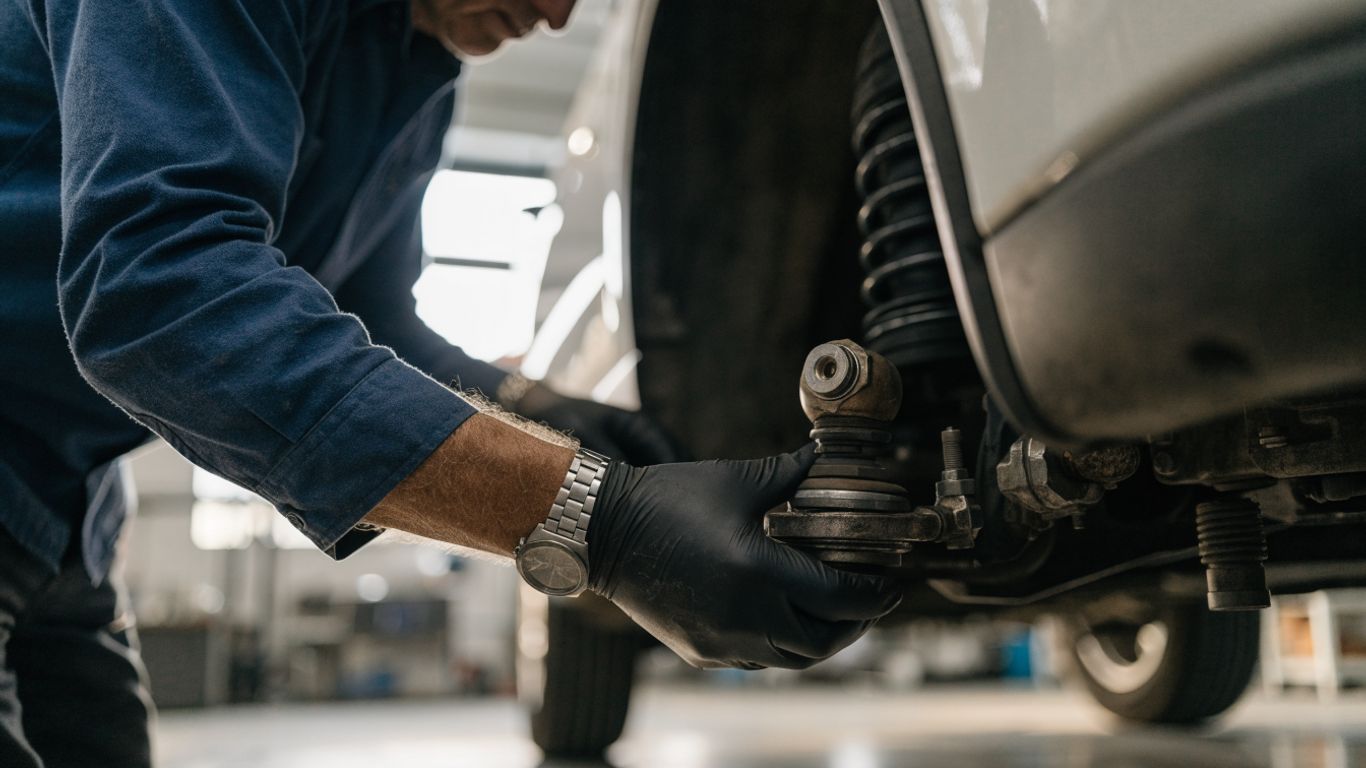
A mechanic can look for a torn boot, corrosion, damaged hardware, or signs that parts have shifted. The inspection should include nearby suspension and steering components, since the source of a noise may not be the first part that looks worn. Any findings should be considered alongside the driver’s description of when the sound or handling change occurs.
Checking for play with the correct vehicle-specific procedure
A ball joint may need to be checked with the suspension loaded or unloaded, depending on its design and the vehicle maker’s procedure. Using the wrong setup can hide movement or make normal movement seem excessive. These broad signs can help explain what an inspection is looking for, but they are not a substitute for the model-specific check:
| Observation | What it may suggest | What else to consider |
|---|---|---|
| Movement at the joint | Wear or looseness | Suspension position during the check |
| Split or damaged boot | Loss of protection | Whether the joint itself is also worn |
| Clunk during suspension movement | A loose or worn component | Bushings, links, or mounting hardware |
| Uneven tire wear | A wheel-position or alignment concern | Tire pressure and other suspension parts |
The observations need to be interpreted together, using the correct procedure and inspection limits for that vehicle. A table of clues cannot establish whether a joint is safe or identify which part must be replaced.
Ruling out wheel bearings, bushings, and steering components
Wheel bearings, control-arm bushings, tie rod ends, and other suspension parts can produce overlapping symptoms. A mechanic may check each component for its own type of looseness, noise, or damage, then compare those findings with the ball joint’s condition. This wider inspection helps avoid replacing a sound joint while leaving the actual source of the problem in place.
When to have a qualified mechanic inspect the vehicle
Seek a professional inspection if a clunk is recurring, steering has become noticeably loose, or a joint boot is visibly torn. If the vehicle’s handling suddenly changes or you suspect a part is severely loose, limit driving and ask a qualified mechanic for guidance. Ball joint checks can require lifting and supporting the vehicle safely; an improvised test beneath an unsupported vehicle is dangerous.
Replacing Ssangyong ball joints
Replacement is not simply a matter of buying a joint that looks similar and pressing it into place. The correct repair depends on how the joint is attached, whether it is separately serviceable, and what other parts have been affected. Confirming the application before work begins can help prevent delays and avoid fitting an incompatible part.
Confirming the correct part for the model and year
Use the vehicle’s exact model, year, and any other fitment details required by the parts supplier. Similar model names do not guarantee that suspension parts interchange, and variations can exist between years or configurations. Check the part information against the vehicle before purchase; if any detail is unclear, ask the supplier or repairer to verify compatibility.
Choosing between a ball joint and a complete control arm
Some designs allow the ball joint to be replaced on its own, while others may call for a complete control arm or make that option more practical. A complete arm can include additional components, but its suitability depends on the vehicle and the condition of the original arm. Compare the repair options with the mechanic, including the cost of the part, labor, and whether the extra components in an assembly are actually needed.
What the replacement process involves
The general process includes safely raising and supporting the vehicle, gaining access to the joint, separating connected components as required, and fitting the correct replacement. The technician then reinstalls and secures the assembly using the appropriate procedure and checks that the surrounding components are correctly positioned. The exact steps and tools vary with the suspension design, so this is work best left to someone with the right equipment and service information.
A sound repair also includes checking related parts and confirming the work before the vehicle returns to regular use. Depending on what was disturbed and the vehicle’s condition, further checks may be appropriate. Avoid treating a replacement as complete merely because the new part is installed.
Why alignment and a post-repair inspection may be needed
Suspension work can affect wheel position, and the need for an alignment depends on the repair and the vehicle’s design. Ask whether alignment measurements or a road test are recommended after the specific job. A final inspection can also confirm that fasteners and related components are secure and that the original noise or handling concern has been addressed.
Ssangyong ball joint replacement costs and parts
There is no single price that applies to every vehicle or repair. The estimate can change with the part design, access to the joint, local labor rates, and whether other worn components need attention. When checking Ssangyong ball joints, make sure the quoted part is compatible with the exact vehicle and compare estimates on the same scope of work.
Factors that affect parts and labor costs
Parts prices vary according to whether the joint is supplied on its own or as part of a larger assembly, as well as the part’s source and fitment. Labor depends on how accessible the joint is and what must be removed to replace it. Additional work, such as replacing damaged hardware or checking alignment, may appear as separate estimate items. Ask for an itemized quote so it is clear what the parts and labor cover.
When reviewing any cost information, keep the comparison within the same type of work. Pages about ABA therapy costs, NZ outdoor furniture, liquor store POS systems, SaaS pricing consulting, or customer success transitions concern other topics and are not useful benchmarks for automotive repair. An automotive local repair listing is more relevant, but its estimates still may not match your vehicle, location, or repair scope.
Comparing aftermarket, OEM, and complete-control-arm options
An estimate may offer a manufacturer-supplied part, an aftermarket replacement, or a complete control arm. Those options are not automatically interchangeable, and the least expensive line item may not be the best fit for the repair. Ask what part is being quoted, whether it matches the vehicle, and whether replacing the entire assembly is necessary given the condition of the remaining components.
Questions to ask when reviewing a repair estimate
A clear estimate should help you understand both the proposed repair and what could change the price. You can ask whether the diagnosis confirms the ball joint is faulty, whether the part is being replaced alone or as an assembly, and what additional work is included. A cost comparison page or parts listing can help frame questions, but make sure any repair cost comparison is based on a matching job rather than a headline price for a different vehicle or repair.
How to assess warranties and part compatibility
Ask what warranty applies to the part and the labor, and whether the terms differ. Check that the part is listed for the exact vehicle application and clarify who will address a fitment issue if one arises. If a quote does not identify the part clearly, request the brand or part number and verify it before approving the work.
Conclusion
Ball joints are small but important pivot points in the suspension, and wear can affect both noise and steering feel. Symptoms such as clunks, wandering, or a damaged boot deserve a proper inspection, since other components can cause similar signs. Confirming the diagnosis, vehicle fitment, repair scope, and any alignment checks makes it easier to choose a safe repair and understand the final cost.
Frequently Asked Questions
Can I drive with a worn ball joint?
It depends on the joint’s condition and how much movement it has, but a severely worn joint can affect steering and suspension control. If handling changes noticeably or a mechanic identifies excessive looseness, avoid continued driving until you have professional advice.
Do ball joints always make a noise when they wear out?
No. A worn joint may produce a clunk, but some problems are found during inspection before a clear noise develops. A lack of sound does not confirm that the joint is in good condition.
Can uneven tire wear mean a ball joint is bad?
It can be one possible clue, but tire wear has several potential causes, including alignment, pressure, and other suspension issues. An inspection is needed to identify the source.
How often should ball joints be inspected?
Follow the maintenance guidance for the vehicle, and have the suspension checked if you notice a new noise, steering change, or visible boot damage. Inspection intervals and procedures can vary by vehicle and driving conditions.
Should ball joints be replaced in pairs?
Not necessarily. The decision depends on the condition of each joint and the vehicle’s repair guidance. Ask the mechanic to inspect both sides and explain the recommendation rather than assuming both require replacement.
Is a wheel alignment needed after ball joint replacement?
It may be, depending on the suspension design and what was removed or adjusted during the repair. Ask the repairer whether alignment checks are recommended for the specific job.
Can I replace a ball joint at home?
The work may require special tools, safe vehicle support, and a vehicle-specific procedure. If you lack the equipment or experience, have a qualified mechanic perform the repair and inspect the suspension afterward.