
Key Takeaways
Choosing the right engine component starts with accurate vehicle identification and a sound diagnosis, not the lowest displayed price.
- Confirm the model, year, drivetrain, engine code, and part number before ordering.
- Diagnose the underlying fault so a replacement part does not mask a larger problem.
- Compare genuine, aftermarket, reconditioned, and used components by quality and warranty.
- Check listing details, seller policies, stock status, and return conditions when buying online.
- Follow correct installation, calibration, break-in, and maintenance procedures.
Understanding Ssangyong engine parts and compatibility
Engine parts may look interchangeable, but small differences in dimensions, sensors, fittings, and software calibration can make a component unsuitable. A practical search for ssangyong engine parts therefore begins with the vehicle’s identity rather than a broad model name. Keep the registration details, engine code, and existing part number together while researching. That simple habit prevents many expensive ordering mistakes.
Core engine components and their functions
The engine relies on several systems working as one: the cylinder head controls airflow and combustion, pistons convert combustion pressure into movement, and the crankshaft carries that movement to the drivetrain. Gaskets seal pressurized passages, while the oil pump circulates lubricant through bearings and moving surfaces. Timing components keep valve movement synchronized with the crankshaft.
A replacement should be assessed in relation to the whole system. For example, a damaged seal may be the visible cause of an oil leak, but excessive crankcase pressure or a warped mating surface may have contributed to the failure. The underlying cause matters as much as the component being replaced.
Differences between petrol and diesel engines
Petrol and diesel engines share basic mechanical principles, yet their fuel delivery, ignition, compression, and emissions systems differ substantially. Diesel parts often operate under higher injection pressures and may involve turbocharging and additional control hardware. Petrol engines use spark ignition, with components such as ignition coils and spark plugs playing a central role.
This distinction affects more than the engine itself. Filters, injectors, sensors, gaskets, and control modules can have different specifications between fuel types. Never assume that a part described as fitting a model will fit every engine offered in that model range.
Matching parts to the exact model and engine code
The engine code is usually more useful than the vehicle name alone because one model can be sold with several powertrains across different markets and production periods. Compare the code stamped or recorded on the vehicle with the supplier’s fitment information. Where possible, match the old component’s dimensions, connector layout, casting marks, and part number as well.
If a listing only says that a part fits a broad model family, ask for confirmation before paying. A supplier should be able to explain whether the fitment is based on the engine code, production date, vehicle identification number, or a general catalog reference.
Why vehicle year and drivetrain specifications matter
A model-year change can bring revised sensors, mounting points, software, or emissions equipment. Four-wheel-drive and two-wheel-drive versions may also use different ancillary parts, brackets, cooling arrangements, or transmission-related components. Even a left-hand-drive and right-hand-drive market difference can affect surrounding hardware.
Record the build date, transmission type, drivetrain, market, and any mid-cycle revision noted in the service history. Those details narrow the search and give the seller enough information to verify compatibility instead of guessing.
Diagnosing engine problems before buying parts
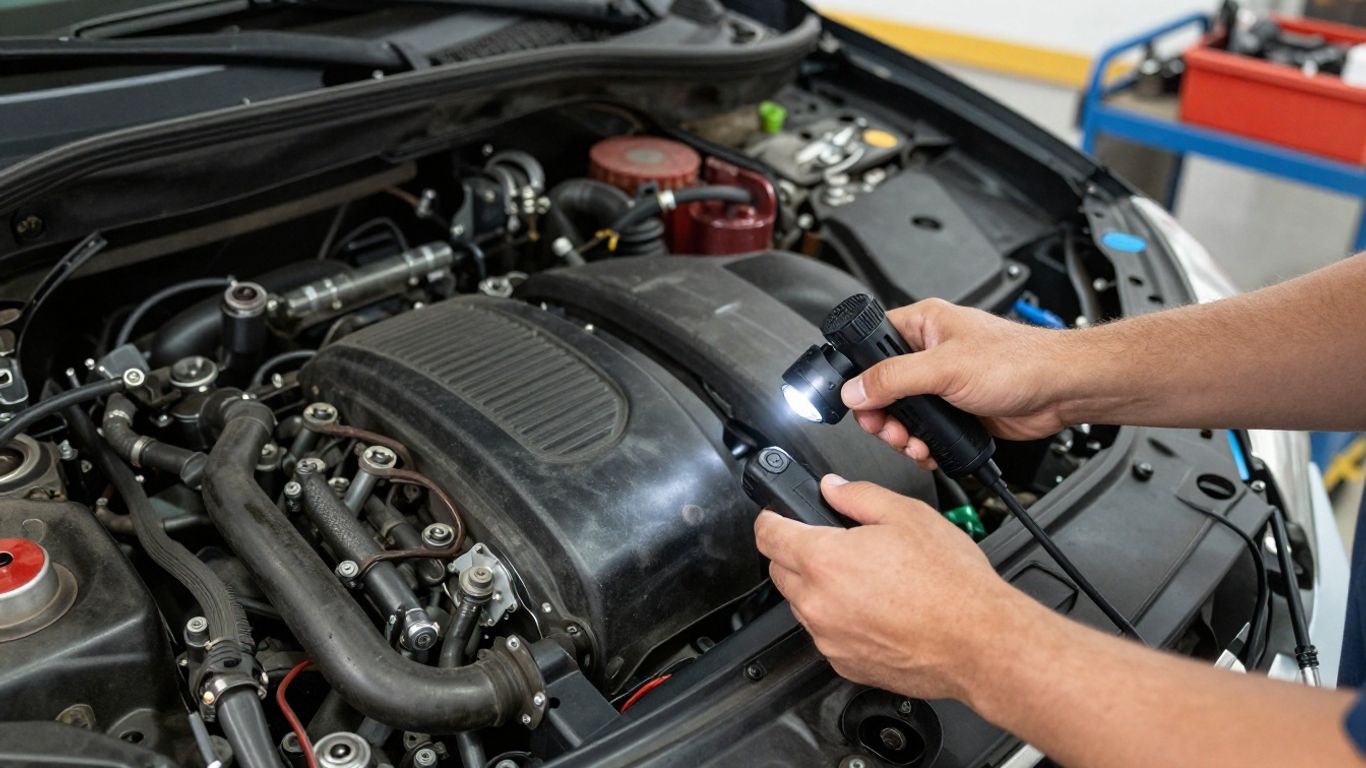
Replacing a part without confirming the fault can create a cycle of unnecessary spending. Symptoms such as smoke, noise, loss of power, or difficult starting often have several possible causes. Begin with basic observations, then combine fault-code information with physical inspection and service history.
A careful diagnosis also protects good components from being replaced unnecessarily. The same symptom might come from fuel delivery, wiring, a sensor, a vacuum leak, or internal engine wear. Treat the first suspected part as a hypothesis, not a conclusion.
Common symptoms of worn or damaged components
Blue smoke can point toward oil entering the combustion process, while white smoke may have several causes involving coolant, condensation, or fuel. Rattling, tapping, or grinding can suggest timing, bearing, belt, chain, or accessory problems, but sound location and operating conditions matter. Low oil pressure, overheating, rough running, and poor compression each require different tests.
Note when the symptom appears: during a cold start, under load, at idle, after warming up, or during acceleration. A short video and a written timeline can help a technician reproduce the problem and avoid relying on a vague description.
Using fault codes and inspection results
A diagnostic code identifies a condition detected by a control system; it does not automatically identify the failed component. Read the stored and pending codes, record freeze-frame data where available, and compare the results with live readings and physical checks. Inspect connectors, hoses, grounds, fluid levels, and visible leaks before ordering a major assembly.
Inspection results become more useful when documented systematically. Photograph damaged areas, write down measured values, and retain the old part until the repair is confirmed. This record can also support a return or warranty discussion if the supplied component proves incorrect.
Distinguishing engine issues from fuel and electrical faults
Starting difficulty, hesitation, and stalling can originate in the engine, fuel system, or electrical supply. A weak battery, poor ground, failing relay, restricted filter, low fuel pressure, or damaged wiring may imitate an internal mechanical fault. Testing voltage, fuel pressure, compression, and relevant signals helps separate these possibilities.
Use a process of elimination rather than replacing several parts at once. Changing multiple components makes it harder to identify what solved the problem and may introduce a second fault through a disturbed connector or hose.
When professional diagnosis is necessary
Professional help is sensible when the problem involves low compression, suspected timing failure, overheating, metal in the oil, high-pressure fuel equipment, or uncertain internal damage. Specialist tools may be needed to measure cylinder performance, verify timing, test injectors, or interpret live data. Stop driving if oil pressure is low, the engine is overheating, or a serious mechanical noise suddenly appears.
A written diagnosis should state the observed evidence and the proposed repair, not just name a part. That distinction makes it easier to compare quotes and decide whether a component replacement or a wider rebuild is appropriate.
Choosing between genuine, aftermarket, and used parts
There is no single best category for every repair. A critical timing or lubrication component deserves a different risk assessment from a noncritical bracket or cover. Consider the part’s function, failure consequences, availability, warranty, and the quality of the supplier’s identification process.
Price is useful only when it is compared with equivalent specifications. A cheaper component that requires repeat labor, additional shipping, or an early replacement may cost more overall.
Advantages of genuine SsangYong parts
Genuine parts are designed and cataloged for the manufacturer’s vehicle systems, which can make fitment verification more straightforward. They may be a sensible choice for components with close dimensional tolerances, specialized connectors, or software-dependent operation. Confirm that the item is new, correctly packaged, and supported by a clear warranty.
The term genuine should still be checked rather than accepted at face value. Ask for a part number, fitment confirmation, and evidence of the seller’s supply chain before treating a listing as authoritative.
When quality aftermarket parts are suitable
A reputable aftermarket component can be appropriate when its specifications match the original requirement and the manufacturer provides dependable quality control. Filters, seals, belts, sensors, and other service items may be available from multiple established manufacturers. The key is not the label alone but the documented dimensions, materials, testing, and warranty.
Compare the aftermarket part with the original on the details that affect operation: temperature range, pressure rating, connector design, material, and included hardware. Avoid a listing that offers only a vague model reference with no technical information.
Risks and checks for used or reconditioned components
Used parts can reduce cost and preserve hard-to-find components, but their remaining service life may be uncertain. Inspect for corrosion, cracks, scoring, contamination, stripped threads, missing fittings, and signs of overheating. For assemblies such as engines or turbochargers, ask what was tested, measured, replaced, or reconditioned.
A warranty should state its duration, coverage, labor limitations, and process for reporting a failure. The used SsangYong parts market can be useful for budget-conscious repairs, but fitment confirmation and inspection records remain essential.
Balancing price, warranty, and expected service life
Build a comparison that includes the purchase price, shipping, core charge, installation labor, calibration, and likely return cost. A higher-priced part may be preferable when failure would damage other components or require major labor to access. Conversely, a well-supported aftermarket item may be reasonable for a routine service replacement.
Ask how the supplier handles a part that arrives damaged or proves incompatible. Clear answers on testing, warranty, and returns are often more valuable than a small discount.
Finding reliable Ssangyong engine parts online
Online catalogs make comparison easier, but they also make it easy to buy from incomplete or inaccurate listings. Read the technical details, not just the headline, and keep a record of the listing at the time of purchase. A reliable seller should make fitment questions easier to answer, not harder.
Use catalog pages as a starting point and verify critical details directly. For a broad source of original components, SsangYong listings may help you compare available parts, while a separate SsangYong parts catalog can provide another reference point for pricing and availability.
Information to verify in a product listing
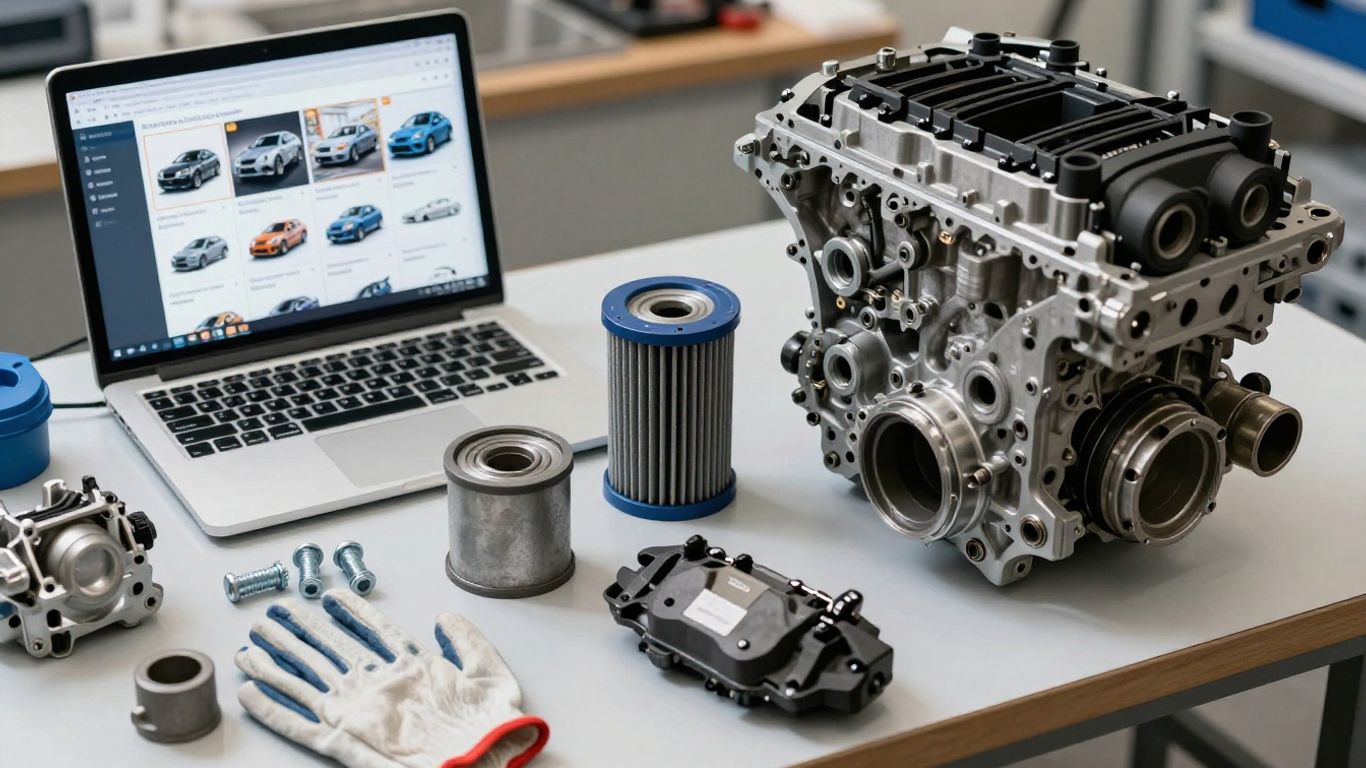
Look for the exact part number, engine code, production range, fuel type, drivetrain, condition, included accessories, and warranty terms. Photos should show the actual item where condition matters, rather than a generic stock image. Check whether seals, bolts, sensors, gaskets, or mounting hardware are included.
When researching online, keep the broader quality of a site separate from fitment evidence. An SEO audit guide, a sleep appliance guide, a hormone health guide, or a wine varieties guide may be useful editorial material elsewhere, but none of those topics confirms that an engine component fits your vehicle.
Comparing suppliers, stock, and delivery times
Compare whether stock is physically available, backordered, or supplied from another warehouse. Delivery estimates matter when a vehicle is off the road, but speed should not outweigh correct identification. Ask whether the stated price includes tax, shipping, exchange charges, or a refundable core deposit.
For a specific vehicle, a listing for SsangYong Rexton engines may be a starting point, but engine size, year, transmission, and included ancillary equipment still need confirmation. A complete engine and a long block are not necessarily the same purchase.
Checking seller reputation and return policies
Look for a verifiable business identity, reachable support staff, detailed policies, and reviews that discuss the actual type of part being sold. Read the return window before ordering because some suppliers require unopened packaging, photographs, or approval before accepting a return. Used assemblies may have special freight or core-return conditions.
Save invoices, messages, photographs of packaging, and delivery records. If a part arrives with a damaged connector or different casting, document it before installation and contact the seller promptly.
Avoiding counterfeit or incorrectly listed parts
Unusually low prices, vague photos, copied descriptions, inconsistent packaging, and pressure to pay outside the platform are warning signs. Compare markings and packaging with reliable catalog information, but do not rely on a logo alone. If the part is safety-critical or engine-critical, use a seller willing to provide traceable details.
A supplier that cannot explain the source, condition, or fitment basis is a poor choice even when the listing looks polished. For additional habit-focused reading unrelated to vehicle repair, a practical recovery guide may appear on a general content site; it should not be confused with parts verification or mechanical advice.
Key Ssangyong engine parts to inspect or replace
Some components deserve early attention because their failure can stop the engine or cause secondary damage. Others are inspected as part of a larger repair, especially when access is already available. Prioritize parts by symptoms, service interval, measured condition, and the consequences of failure.
The following categories are useful when building a repair estimate, but they are not a substitute for the engine’s service documentation. Confirm the precise specification for the vehicle before ordering.
Timing belts, chains, and tensioners
Timing belts, chains, guides, and tensioners keep the crankshaft and camshaft relationship controlled. Wear may appear as slack, cracks, damaged teeth, abnormal noise, or contaminated surfaces, although some failures occur with little warning. If one timing component has failed, inspect related guides, pulleys, tensioners, and valve-train damage rather than replacing only the most visible item.
Follow the specified timing marks and torque procedures during reassembly. A small alignment error can produce poor running or internal contact between valves and pistons.
Gaskets, seals, and cylinder head components
Head gaskets, valve-cover gaskets, intake seals, front covers, rear main seals, and coolant seals all have different jobs and installation requirements. Check mating surfaces for distortion, corrosion, scratches, and old gasket material. Cylinder-head work may also require measurements, pressure testing, new fasteners, or a defined tightening sequence.
Do not use sealant where the procedure calls for a dry gasket, and do not assume that more sealant improves a seal. Excess material can break away and restrict oil or coolant passages.
Oil pumps, filters, and lubrication parts
The oil pump, pickup, filter, pressure relief system, and passages protect bearings and other moving parts from inadequate lubrication. Low pressure may result from pump wear, a blocked pickup, excessive bearing clearance, incorrect oil, or a faulty sender. Diagnose the pressure with suitable equipment before deciding which part to replace.
Oil-related repairs should include cleaning contamination and checking for debris. Replacing a pump without finding the source of metal or sludge can leave the rebuilt system at risk.
Turbochargers, injectors, and fuel system components
Turbochargers and injectors require careful checks because contamination, poor lubrication, boost leaks, wiring faults, and fuel-pressure problems can create similar symptoms. Inspect hoses, intercooler connections, filters, return lines, and electrical connectors along with the main component. A replacement turbocharger may fail quickly if the oil supply problem that damaged the original remains.
High-pressure fuel systems require clean working practices and the correct test equipment. Never loosen pressurized fuel connections casually, and follow the manufacturer’s safety procedure for depressurizing and testing the system.
Installing and maintaining replacement engine parts
Correct installation is part of the part’s value. Clean work areas, accurate measurements, proper torque, fresh fluids, and the right tools all reduce the chance that a new component will fail prematurely. Plan the repair around the service instructions rather than improvising once the vehicle is dismantled.
Before beginning, make sure the replacement is physically and electronically compatible. Photograph hose routing and connector positions, label removed hardware, and keep dirt away from open oil, fuel, and coolant passages.
Preparing for safe component replacement
Disconnect the battery when appropriate, support the vehicle securely, protect painted surfaces, and allow hot systems to cool. Drain fluids into suitable containers and dispose of them responsibly. Compare the new component with the old one before removing the old part, checking holes, fittings, connectors, seals, and dimensions.
A useful preparation list includes these checks:
- Confirm the part number and vehicle fitment.
- Gather torque specifications and required one-time-use fasteners.
- Replace associated seals, filters, fluids, or gaskets where the procedure requires them.
- Clean mating surfaces and protect exposed openings.
That preparation reduces interruptions and makes it less likely that a small overlooked item will delay reassembly. After installation, inspect the work area before reconnecting the battery or starting the engine.
Parts that require professional installation or calibration
Timing systems, cylinder heads, turbochargers, injectors, and high-pressure fuel components can require specialized tools and procedures. Some sensors and control-related parts may also need calibration, coding, or a relearn process after installation. If the repair affects engine timing, fuel pressure, or emissions control, professional verification is often the safer route.
Ask the workshop what testing is included after installation. A start-up alone may not confirm correct timing, stable oil pressure, leak-free operation, or accurate sensor readings.
Break-in procedures after major repairs
After a major repair, follow the documented procedure for priming the oil system, building fuel pressure, checking leaks, and bringing the engine to operating temperature. Avoid hard acceleration until the repair has been checked and any required break-in period has been completed. Recheck fluid levels and inspect for leaks after the first drive.
The exact process depends on the work performed. A replacement engine, rebuilt cylinder head, new turbocharger, and timing repair do not all receive the same break-in treatment, so use the relevant service instructions.
Maintenance practices that extend engine-part life
Use the correct oil, filters, coolant, and service intervals for the engine. Investigate warning lights, new noises, smoke, overheating, and fluid loss early rather than continuing to drive until a minor fault becomes a major failure. Keep service records with part numbers and dates so future diagnosis has a clear history.
Regular visual checks are worthwhile even between scheduled services. Clean fluid, sound hoses, secure wiring, and prompt attention to leaks can protect replacement parts and make later repairs more predictable.
Conclusion
The safest way to source and install Ssangyong engine parts is to combine exact identification, evidence-based diagnosis, careful supplier checks, and disciplined installation. A thoughtful comparison of condition, warranty, compatibility, and service life usually matters more than the lowest initial price.
Frequently Asked Questions
How do I identify the correct engine part?
Use the vehicle identification number, model year, engine code, fuel type, drivetrain, and the old part number together. Compare connector layouts, dimensions, and included hardware before ordering.
Can one model use different engine parts?
Yes. Different engines, production periods, markets, transmissions, and drivetrains can change the required component. A broad model name is rarely enough for reliable fitment.
Are aftermarket engine parts safe to use?
They can be suitable when made to the required specification by a reputable manufacturer and supported by clear fitment information and warranty terms. Critical parts deserve especially careful comparison.
Should I buy a used engine component?
A used component may be practical when its condition, testing, source, and warranty are documented. Avoid parts with uncertain history when failure would cause major damage or repeat labor.
What should I do before installing a replacement part?
Compare it with the removed part, read the procedure, gather the correct tools and fasteners, clean the work area, and confirm whether fluids, seals, coding, or calibration are required.
When should a mechanic diagnose the problem?
Seek professional diagnosis for low oil pressure, overheating, internal engine noise, suspected timing failure, low compression, high-pressure fuel faults, or repairs requiring specialized calibration.
How can I reduce repeat engine-part failures?
Find and repair the original cause, use correct fluids and service intervals, follow torque and installation procedures, and recheck for leaks, warning lights, and abnormal noises after the repair.