

Key Takeaways
A manifold problem can resemble a gasket or another exhaust leak, so confirm the source before replacing parts. Careful fitment checks and a leak check after installation help avoid repeat work.
- The exhaust manifold gathers exhaust gases from the engine cylinders and directs them into the exhaust system.
- Cold-start ticking, fumes, soot, or a visible crack can point to a leak, but none confirms the manifold is at fault on its own.
- Check the model year, engine, and part number before ordering a replacement.
- Damaged fasteners and limited access can add time and cost to a repair.
- A careful inspection after reassembly can catch leaks before the vehicle is back in regular use.
What the exhaust manifold does
The exhaust manifold is the first major part of the exhaust path after the engine’s cylinders. It collects hot gases and routes them toward the rest of the exhaust system. Knowing where it sits helps distinguish a manifold fault from a leak farther downstream.
How it collects exhaust gases from the engine cylinders
Each cylinder releases exhaust gases through an exhaust port. The manifold has passages that bring those separate flows together and guide them toward a shared outlet. Its shape and layout are designed for a particular engine, so the right replacement depends on more than the vehicle badge alone.
Where it sits in the exhaust system
The manifold is bolted to the engine at the cylinder head. From there, it connects to the next exhaust component, which may be a turbocharger or a pipe leading into the exhaust system, depending on the engine design. That position puts it in a hot, cramped area where a small leak can be noisy and difficult to see.
How it differs from the gasket, turbocharger, and downpipe
These parts meet or work near one another, but they have different jobs. The manifold channels exhaust gases; a gasket seals the joint between two surfaces. A turbocharger uses exhaust flow to drive its turbine, while a downpipe carries gases away from the turbocharger or manifold area.
A leak at any of these joints can produce similar symptoms. Pinpointing the leak before buying parts matters, since a failed gasket does not necessarily mean the manifold itself needs replacement.
Why fitment varies by model and engine
Manifolds differ in their ports, bends, mounting points, and outlet position. Even versions of the same vehicle can use different parts when the model year or engine changes. This is one reason an exact part number, where available, is more useful than relying on a general vehicle description.
| Fitment detail | Why it matters |
|---|---|
| Model year | Design changes can affect mounting and connections. |
| Engine variant | Port layout and manifold shape may differ. |
| Part number | Helps confirm the intended application. |
| Connected components | Outlet and flange arrangements must match. |
Use these details together rather than treating any one as conclusive. If information conflicts, confirm the application with the vehicle identification details or a parts specialist before ordering.
Signs of a faulty exhaust manifold
A cracked manifold or leaking joint may make itself known through sound, smell, or visible deposits. The symptoms can overlap with faults elsewhere in the exhaust system, so treat them as clues rather than a diagnosis. A prompt check is sensible if fumes are entering the engine bay or cabin.
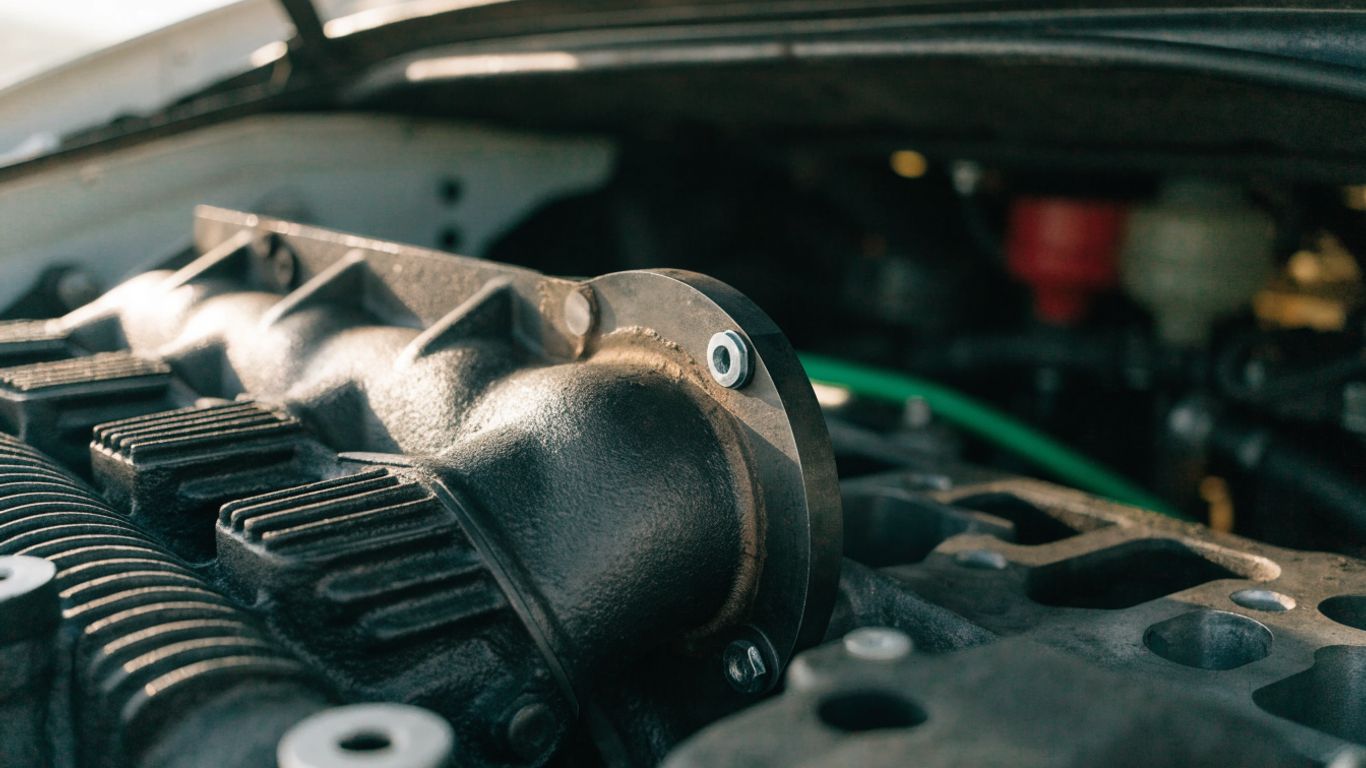
Ticking or tapping sounds, especially on a cold start
A small exhaust leak may create a sharp ticking or tapping noise as the engine runs. It can be more noticeable just after a cold start and change as the engine warms, though sounds vary with the leak and vehicle. A similar noise can come from other engine or exhaust components, so sound alone cannot identify the failed part.
Exhaust smells or fumes near the engine bay
An exhaust smell under the hood can indicate that gases are escaping before they reach the rest of the exhaust system. Avoid leaning over a running engine to investigate, and do not ignore fumes that enter the cabin. Arrange an inspection promptly, especially if the smell is strong or persistent.
Reduced performance or changes in fuel consumption
A leak near the engine can affect how the vehicle runs, and a driver may notice weaker response or a change in fuel use. These symptoms have many possible causes, including problems unrelated to the exhaust manifold. They are useful context for a technician, not proof that the manifold should be replaced.
Visible cracks, soot marks, or damaged fasteners
With the engine completely cold, look for cracks, dark soot around a joint, or fasteners that appear damaged or missing. Deposits near a flange may suggest escaping exhaust, while a crack can be hard to spot if access is restricted. A visual check can guide further testing, but a clean-looking surface does not rule out a leak.
How to diagnose a manifold problem
Diagnosis starts with a cautious inspection and a clear description of when the symptoms occur. A manifold leak can be confused with a failed gasket, a connection farther downstream, or an unrelated engine noise. Confirming the location first helps avoid replacing a sound part.
Check for visible damage with the engine cold
Let the vehicle cool fully before looking near the manifold; it becomes extremely hot during operation and can remain hot after shutdown. Use a flashlight to inspect accessible surfaces and joints for cracks, soot, and loose or damaged fasteners. Do not reach into tight spaces or remove components unless you have the right tools and experience.
Listen for leaks during startup
A brief listen during startup may reveal a ticking or puffing sound that is strongest near the engine. Keep clear of belts, fans, and hot surfaces, and do not put your hands near suspected leak points. Because the sound can travel through the engine bay, listening helps narrow the search but does not confirm the source.
Use a suitable leak test to locate escaping gases
A technician can use an appropriate exhaust leak test to determine where gases are escaping. The method should suit the vehicle and be carried out safely; improvised tests around hot or running components can create avoidable risks. A local mechanic can assess the symptoms and explain whether a gasket, manifold, or another section needs attention; local mechanics for manifold gasket work offer one route to compare repair options.
Once the suspected area is narrowed down, the next checks help distinguish a manifold fault from a neighboring component:
- Inspect the gasket line and flange for soot or signs of a gap.
- Check the manifold body for cracks, including areas that are difficult to see.
- Look at nearby connections and pipes for separate leaks or damage.
- Compare the findings with the sound and symptoms reported by the driver.
A combination of evidence is more useful than any single clue. If the leak is not clearly at the manifold, further testing can prevent an unnecessary replacement.
Rule out a failed gasket or another exhaust component
The gasket seals the joint between the manifold and the cylinder head, so its failure can sound much like a cracked manifold. A leak may also come from a connection beyond the manifold, including a pipe or turbocharger joint. Have the exact point of escape identified before deciding which part to order.
How to choose a replacement manifold
Once a manifold fault is confirmed, the replacement must match the engine and its connections. Check the part details before comparing price or condition, since a low-cost part that does not fit is no bargain. If you are sourcing parts through an Australian supplier, options may include quality used, genuine, and aftermarket parts, with availability varying by vehicle and location.
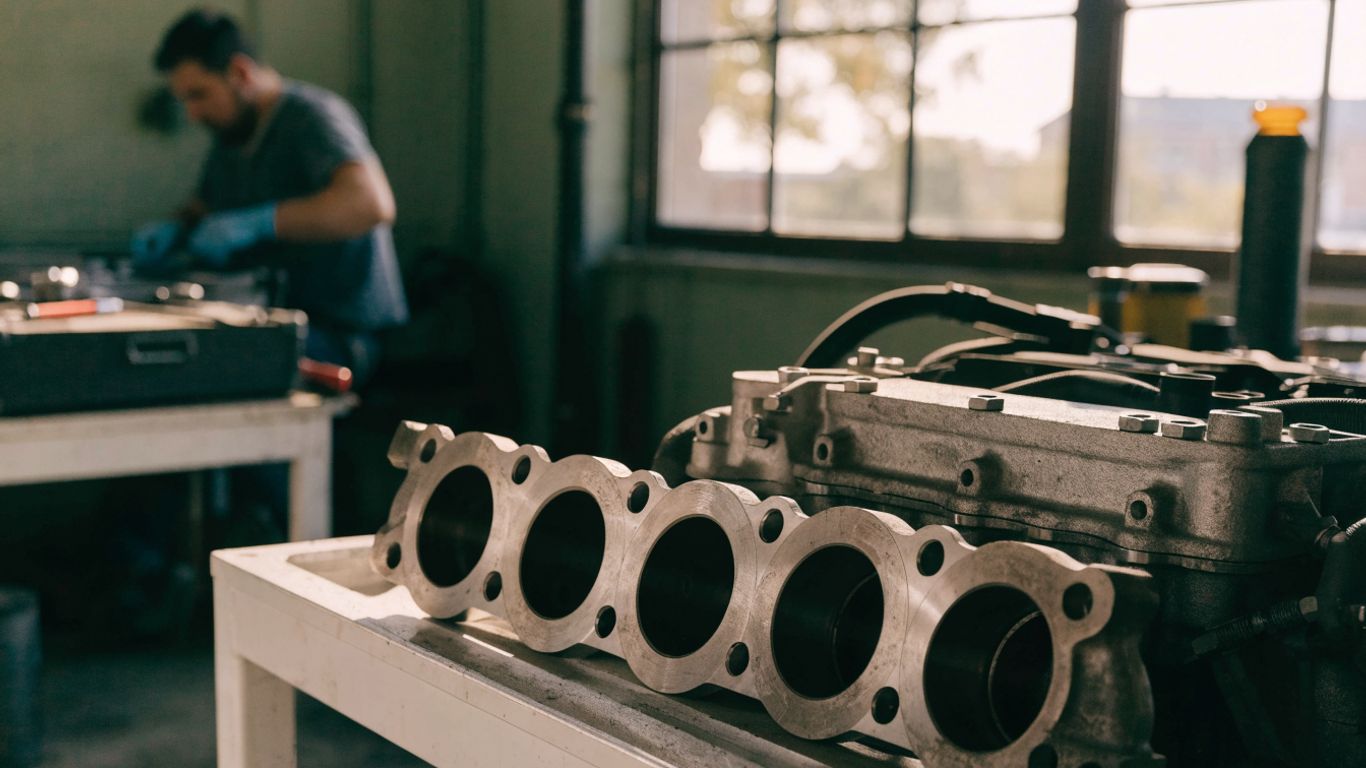
Confirm the model year, engine, and part number
Start with the vehicle’s model year and engine variant, then compare the original part number if it is available. Check mounting points, outlet orientation, and the shape of the ports against the part being offered. Parts4Pickups lists an exhaust manifold for Musso models, but buyers should still confirm fitment against their own vehicle details.
For other SsangYong applications, listings may identify a specific part number and vehicle range. For example, a 6651420314 exhaust manifold is listed for certain Kyron, Rodius, and Rexton models; that does not establish fitment for every vehicle in those model families.
Compare genuine, aftermarket, and pre-owned options
A genuine part, an aftermarket replacement, and a pre-owned manifold can differ in price, condition, and what is included. Compare the exact application and inspect the available condition information rather than assuming that a category alone guarantees quality. A supplier that connects customers with used, genuine, and aftermarket parts may help you compare options; availability can vary by vehicle and location.
When considering a pre-owned part, ask about its condition, return terms, and how fitment was checked. A pre-owned Ssangyong manifold may be found through a vehicle-specific part search, but confirm that its application matches your engine before purchase. A repair quote can also help set expectations; the options on Ssangyong exhaust system repairs may be relevant when inspection points to damage beyond the manifold itself.
Inspect flange condition, cracks, and signs of warping
If you can inspect the part before purchase, look closely at the flange faces, mounting holes, and passages. Reject a manifold with a visible crack, damaged mounting surface, or signs that it has warped. For a used part, ask for clear images of the areas that will meet the cylinder head and exhaust connection.
Check whether gaskets, studs, and heat shields are included
A listing may cover the manifold alone or include some of the hardware and shielding needed for installation. Confirm what is supplied, then price any missing gaskets, studs, nuts, or heat shields separately. A new manifold does not make worn fasteners reusable, and the correct gasket should suit the application.
What manifold replacement involves
Replacement work varies with the vehicle layout and how accessible the manifold is. In many cases, the repair involves removing nearby components, dealing with heat-stressed fasteners, and checking the mating surfaces before fitting the new part. A qualified technician can follow the vehicle’s service information and assess complications as they arise.
Prepare the vehicle and allow the exhaust to cool
The vehicle should be secured safely, and the exhaust must be fully cool before work begins. The repairer will identify what must be moved or disconnected to reach the manifold and protect nearby wiring and components. Working around a hot exhaust system risks burns and can make fasteners harder to handle safely.
Remove obstructing components and old fasteners
Depending on the layout, access may require moving heat shields or other nearby components. Old nuts and studs can be seized or brittle from repeated heating and cooling, so removal should be deliberate rather than forced. If a fastener breaks, extraction can add a separate step to the job.
Clean the mating surfaces and inspect the cylinder head
Once the old manifold and gasket are removed, the mating surfaces need to be checked and cleaned without damaging the cylinder head. The repairer can look for surface damage, leftover gasket material, or other signs that may affect the seal. Fitting a replacement over a dirty or damaged surface can leave the original leak unresolved.
Install the replacement using the specified torque procedure
The replacement should be fitted with the correct gasket and serviceable hardware, following the specified tightening sequence and torque procedure for that vehicle. Tightening by guesswork can damage fasteners or create an uneven seal. The applicable service information matters because procedures can differ between engines.
Check for leaks after reassembly
After reassembly, the repairer should check the relevant joints for leaks and confirm that components removed for access are back in place. If the original symptoms persist, the diagnosis may need to be revisited rather than assuming the new manifold is defective. A final check is part of the repair, not an optional extra.
Repair costs and keeping the new manifold in good condition
There is no single cost for a manifold replacement: the vehicle, part choice, access, and condition of surrounding hardware all matter. Ask for a breakdown that separates the part from labor and any additional work. A written scope is useful in automotive work, just as clear responsibilities matter in other services, from team-building events to the terms for Simple Hawaii Wedding.
Factors that affect parts and labor costs
The price of the manifold depends on the part type and availability for the exact application. Labor can vary with how much must be removed for access and whether fasteners come out cleanly. For a useful estimate, ask the repairer to identify the suspected failure and list any related parts or work not included in the initial quote.
When assessing a part or service, clear documentation can help make responsibilities easier to understand. This is relevant beyond vehicle repairs: defacto India Payroll describes technical architecture, while guidance on choosing a steel structure fabrication contractor covers matters such as quality controls and delivery responsibilities. These are separate fields, but the general value of knowing what is included in a scope applies when reviewing a repair estimate too.
When repair may be practical and when replacement is preferable
A repair may be feasible in some circumstances, depending on the type and location of damage and whether a durable repair is appropriate. A manifold with extensive cracking or a compromised mounting surface may be better replaced. The decision should follow an inspection of the part and its mating surfaces, not the noise alone.
Why damaged studs or nearby components can add labor
A broken or seized stud may take extra time to remove, particularly when access is limited. Heat shields, gaskets, and connected exhaust components may also need attention if they are damaged or cannot be reused. Ask the repairer to explain any added work and get approval before the scope changes.
Maintenance checks that can help catch leaks early
An exhaust manifold is not usually a routine replacement item, but it is worth paying attention to new ticking noises, exhaust smells, or visible soot during normal checks. If the vehicle is being inspected for another reason, mention any symptoms that began recently, even if they come and go. Early investigation may make it easier to identify the source before a small leak leads to more involved work.
Conclusion
A Ssangyong exhaust manifold should be replaced only after the leak has been traced to the manifold itself rather than a gasket or nearby exhaust connection. Confirm the part against the vehicle’s engine and model details, then have the mating surfaces and fasteners checked during installation. A careful post-repair leak check helps ensure the repair has addressed the original problem.
Frequently Asked Questions
What does an exhaust manifold do?
It collects exhaust gases from the engine cylinders and directs them toward the next part of the exhaust system.
Can a leaking manifold make a ticking noise?
Yes, an exhaust leak near the manifold can cause a ticking or tapping sound, often noticeable at startup. Other engine and exhaust faults can make similar noises.
Is an exhaust smell under the hood a sign of a manifold leak?
It can be a sign of escaping exhaust, but the source might be a gasket or another connection. Avoid breathing the fumes and arrange an inspection.
Can a manifold gasket fail without the manifold being cracked?
Yes. The gasket seals the joint between the manifold and the cylinder head, and it can leak even when the manifold itself is intact.
How do I make sure a replacement manifold fits?
Check the model year, engine variant, and part number, then confirm the mounting points and outlet connections match the vehicle.
Can I drive with a leaking exhaust manifold?
A leak can allow exhaust gases to escape near the engine, and fumes may enter the cabin. Have the vehicle assessed promptly, particularly if you notice fumes inside it.
What can make manifold replacement more expensive?
Part availability, restricted access, seized or broken fasteners, and damage to nearby components can increase parts or labor costs.