
Key Takeaways
A catalytic converter fault can look like several other exhaust or engine problems, so diagnosis matters before parts are ordered. Fitment, the cause of failure, and local rules all affect the repair.
- A converter helps reduce harmful exhaust emissions and sits in the exhaust path.
- A warning light or low power can point to a problem, but neither proves the converter has failed.
- Misfires, fluid contamination, overheating, and physical damage can shorten converter life.
- A correct replacement must match the vehicle’s engine and emissions specifications.
- Repair the underlying fault before fitting a replacement, then monitor the vehicle for recurring symptoms.
What the catalytic converter does in a SsangYong
The catalytic converter is part of the exhaust system, where it helps reduce pollutants before exhaust leaves the vehicle. Its role is simple to describe, but the right replacement depends on more than the shape of the exhaust pipe. Understanding its position and the vehicle specifications makes it easier to recognize what a repair estimate should include.
How the converter reduces harmful exhaust emissions
Inside the converter, catalyst materials help change some harmful exhaust gases into less harmful substances. It works as part of a larger emissions system, rather than as a stand-alone fix for every exhaust problem. If the engine is running poorly, the converter may be affected even when it was not the original source of the fault.
Where it sits in the exhaust system
The converter is installed in the exhaust path, commonly between the engine’s exhaust manifold and the rest of the exhaust system. Its exact position can vary by vehicle design, and some vehicles have more than one converter. That location is why a shop should inspect the full exhaust route rather than assume a single part is responsible for a warning light.
Why engine and emissions specifications affect fitment
A converter that looks similar may still have different connections, dimensions, or emissions approval. Use the vehicle identification details and confirm engine and emissions specifications before ordering. A Musso converter listing is one example of a listing that calls attention to fitment notes; treat the listing details as a starting point and confirm compatibility against the vehicle itself.
Signs of a failing catalytic converter
Symptoms can build gradually or appear after a separate engine fault. A warning light, sluggish acceleration, or an unusual exhaust smell deserves attention, but none of these signs alone confirms converter failure. The useful first step is to record what changed and when it happens.
Common warning lights and diagnostic trouble codes
An illuminated check-engine light may accompany an emissions-system problem, and a scan tool can reveal stored diagnostic trouble codes. Some codes relate to converter efficiency, but sensor faults, wiring issues, or exhaust leaks can produce similar clues. Read the code as evidence to investigate, not as an automatic instruction to replace a part.
Changes in performance, fuel economy, or exhaust smell
A restricted converter can contribute to weak acceleration or difficulty revving, while a change in fuel economy may point to an engine or emissions problem elsewhere. A strong sulfur-like odor can also be a warning sign, though smells have more than one possible cause. Note whether the symptom appears at startup, under load, or after the engine warms up; that detail can help a technician narrow the possibilities.
Rattling noises and other signs of physical damage
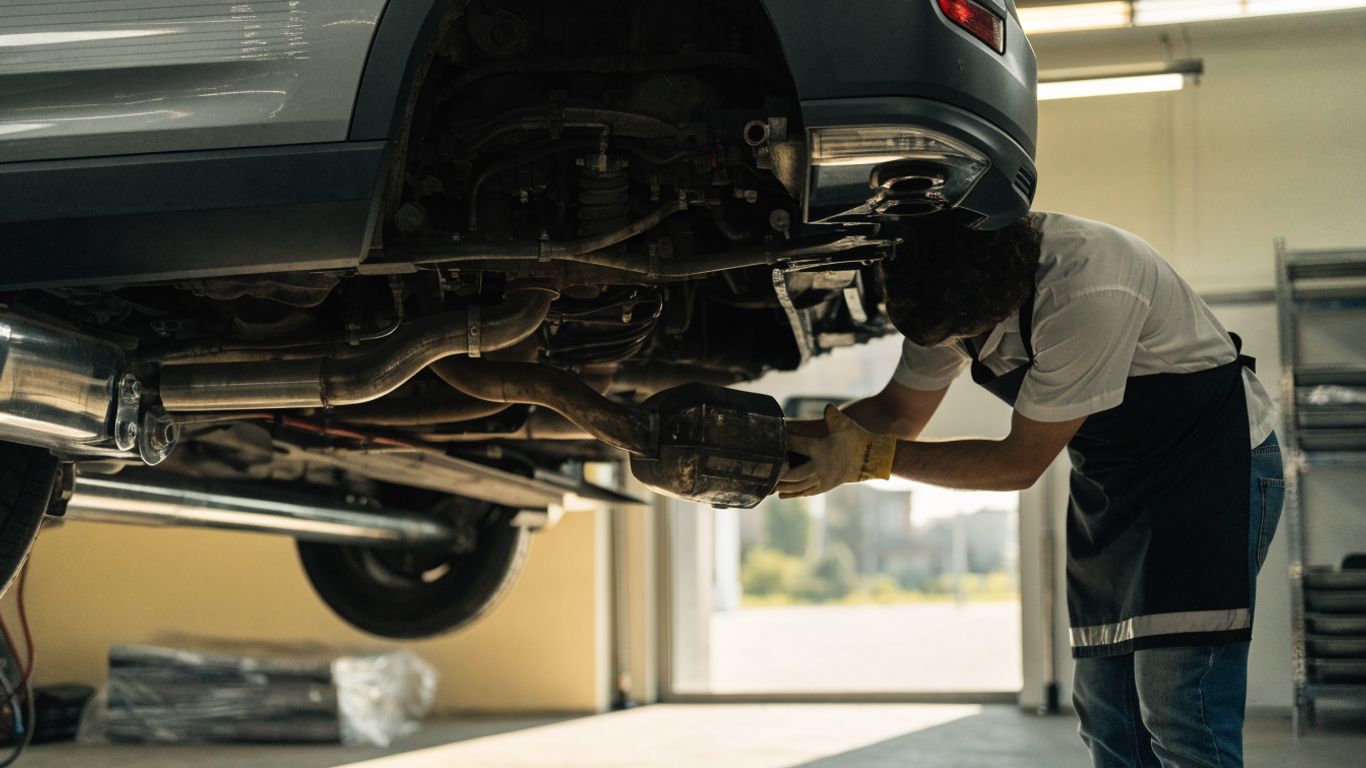
A loose or damaged internal substrate can sometimes rattle, particularly when the exhaust is cold or the vehicle is first started. A dented housing, broken hanger, or visible impact mark also warrants inspection. A rattle is a clue, not a diagnosis: nearby heat shields and other exhaust components can make similar noises.
Common causes of catalytic converter failure
Converters often fail after being exposed to a problem elsewhere in the vehicle. Replacing one without finding that cause can lead to repeat damage and another repair bill. The most useful approach is to connect the converter’s condition to the engine’s recent running history.
Misfires and unburned fuel entering the exhaust
When a cylinder misfires, unburned fuel can pass into the exhaust and raise converter temperatures. Repeated overheating can damage the catalyst material. A flashing warning light, rough running, or a recent ignition or fuel-system problem should be checked before a new converter is installed.
Oil or coolant contamination
Oil entering the combustion chamber or coolant leaking internally can contaminate the exhaust and interfere with converter performance. Blue or white exhaust smoke, unexplained fluid loss, or fouled spark plugs may point to an engine issue that needs attention first. The converter itself cannot correct those underlying leaks.
Impact damage, corrosion, and overheating
A strike from road debris can crack or deform the converter housing, while age and corrosion may weaken its shell or connections. Excessive heat can also damage the internal material, often following a misfire or another engine fault. A careful inspection should include nearby pipes, joints, shields, and mounts so that related damage is not missed.
How to diagnose a converter problem
Good diagnosis combines the vehicle’s symptoms, scan results, and a physical inspection. A trouble code may be a useful lead, but a converter should not be condemned until related sensors, wiring, and exhaust leaks have been considered. In this case, a short, organized inspection is more useful than guessing from one symptom.
Checking fault codes and live sensor data
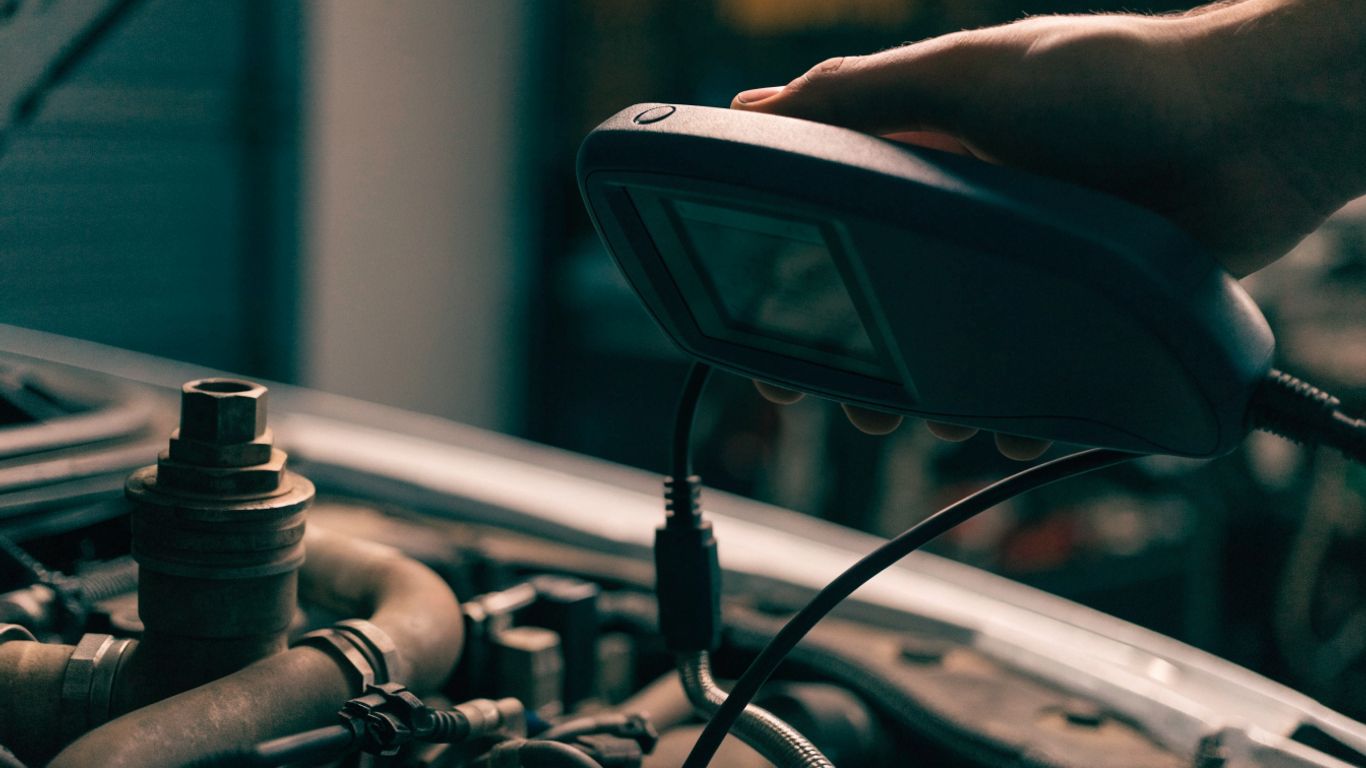
A technician can retrieve stored and pending trouble codes and compare oxygen-sensor readings while the engine is running. Sensor behavior can help assess whether the exhaust system is working as expected, but readings must be interpreted in context. A scan should also include relevant engine data, since an active misfire or fuel-control problem may explain the converter’s symptoms.
Inspecting exhaust leaks and oxygen sensors
Leaks near a sensor can alter the readings used to assess emissions performance. Inspect the exhaust joints and pipes for soot marks, loose connections, or damage, and check sensor wiring and connectors for wear. If those items are overlooked, a replacement converter may not resolve the warning or code.
Distinguishing converter failure from other engine issues
A methodical check helps separate a restricted or damaged converter from faults in ignition, fuel delivery, sensors, or exhaust plumbing. These simple steps can help organize the discussion with a repair shop:
- Record warning lights, codes, and the conditions in which symptoms appear.
- Ask whether an exhaust leak or sensor fault has been ruled out.
- Confirm whether the engine has a misfire or another active running problem.
- Request an explanation of the test results supporting converter replacement.
A repair record should make clear what was tested and why the part was recommended. For instance, an ADO Time Tracker is documented for work-item time and timesheets in Azure DevOps, not vehicle diagnosis; similarly, Taylor Family Store, cheap SEO services, the Evel Knievel Experience, and biomedical equipment service concern unrelated topics. Keep the decision grounded in automotive test results rather than unrelated search material.
Distinguishing converter failure from other engine issues
Before authorizing replacement, ask the shop to explain which test points to the converter and what alternative causes were checked. A code by itself is not enough to establish that the converter is the failed component. This is especially useful when the vehicle has poor performance, because a restriction and an engine-running fault can overlap in their symptoms.
SsangYong catalytic converter replacement costs
There is no single reliable price for every vehicle or repair location. The estimate depends on the part selected, access to the converter, the condition of surrounding exhaust hardware, and any diagnosis or corrective work needed first. Ask for an itemized quote so the parts and labor are clear.
Parts and labor factors that affect the estimate
A useful estimate separates the converter from labor, diagnosis, and any additional repairs. Compare quotes by what they include, not just by the total. Common cost factors can be summarized this way:
| Estimate factor | Why it can affect the price |
|---|---|
| Converter type and availability | The correct part may vary in price and supply. |
| Access and exhaust condition | Seized fasteners or damaged joints can add labor. |
| Diagnostic work | Testing may be needed to confirm the fault and its cause. |
| Related repairs | Misfires, leaks, or sensor faults may need separate attention. |
A quote that includes a clear diagnosis and the work required to prevent repeat damage may be more useful than a lower figure that leaves those items unexplained. Ask whether the estimate includes taxes, fittings, and any required programming or follow-up checks.
Differences between OEM and aftermarket converters
An original-equipment part and an aftermarket part can differ in price, availability, construction, and warranty terms. The best choice is one that meets the vehicle’s specifications and applicable emissions requirements, with documentation that supports the fitment. A lower purchase price alone does not show whether a part is suitable.
When repairs may cost more than the converter itself
The converter may be only one part of a larger repair. Rusted exhaust connections, damaged sensors, an underlying engine fault, or difficult access can increase the total. If the estimate grows, ask the shop to separate essential repairs from optional work and explain which issue would cause a replacement converter to fail again.
Choosing and replacing the right converter
The safest route is to confirm compatibility before placing an order and to have the installation follow the part maker’s instructions. A listing number or visual match is not enough when emissions specifications and pipe connections can differ. Keep the old part and repair paperwork until the work and any inspection requirements are settled.
Matching the part to the model, year, engine, and emissions standard
Provide the supplier or repair shop with the exact model year, engine details, and vehicle identification number when possible. Also confirm the relevant emissions standard and the shape and position of the connections. A 24211-35220 converter listing can help identify a candidate part, but its details should be checked against the specific vehicle before purchase.
Comparing direct-fit and universal converters
A direct-fit converter is intended for a particular application and is generally designed around its original connection points. A universal converter may require cutting, welding, or additional adaptation, so installation quality and local approval need careful attention. Confirm the total installed cost and any warranty conditions before choosing either option.
Checking local emissions rules and warranty requirements
Requirements vary by location, and a replacement that fits physically may not satisfy local inspection or emissions rules. Check whether the part is permitted for the vehicle and whether the shop or supplier requires installation by a qualified professional to maintain warranty coverage. When comparing repair offers, local exhaust repair quotes can be a useful way to review available providers, but confirm the part and legal requirements independently.
How to help a replacement converter last
A new converter has a better chance of lasting when the engine is in good condition and the original cause of failure is resolved. Routine maintenance cannot prevent every exhaust problem, but it can help catch issues that may overheat or contaminate the converter. Pay attention to changes rather than waiting for a warning light to stay on.
Fixing the underlying engine problem before installation
If a misfire, fluid leak, or fuel-control problem contributed to the failure, repair it before fitting the replacement. The installer should check for exhaust leaks and confirm that the engine is operating properly after the work. Otherwise, the new part may be exposed to the same damaging conditions as the old one.
Following maintenance intervals and responding to warning lights
Follow the vehicle’s maintenance schedule and have persistent warning lights checked promptly. A check-engine light can relate to many systems, but delaying diagnosis may allow a small issue to become a larger repair. Keep service invoices and diagnostic notes so that repeat symptoms can be compared with earlier findings.
Using the correct fuel and avoiding contamination
Use the fuel specified for the vehicle and avoid additives or fluids that are not approved for it. Fuel contamination, excess oil consumption, or coolant entering the exhaust can harm emissions components. If the vehicle begins to smoke, misfire, or use fluids unexpectedly, arrange an inspection rather than relying on a converter replacement to solve it.
Conclusion
A catalytic converter warning deserves careful diagnosis, not an immediate parts order. Confirm the fault, match the replacement to the vehicle and local requirements, and address any engine problem that could damage the new part. That approach makes the repair clearer and gives the replacement a better chance of lasting.
Frequently Asked Questions
Can I drive with a failing catalytic converter?
It depends on the symptoms and the cause. If the vehicle loses power, runs roughly, smells strongly of exhaust, or has a flashing warning light, stop driving when safe and arrange an inspection; continued driving may worsen damage.
Does a check-engine light always mean the converter has failed?
No. The light can be triggered by many engine, sensor, wiring, or exhaust problems. A diagnostic scan and follow-up tests are needed to identify the cause.
What does a rattling converter sound like?
A damaged internal component may make a loose metallic rattle from underneath the vehicle, sometimes most noticeable at startup. Heat shields and other exhaust parts can sound similar, so inspection is needed to locate the noise.
Can an exhaust leak cause a converter-related warning?
Yes. A leak near an oxygen sensor can affect sensor readings and may contribute to an emissions warning. A mechanic should inspect the exhaust joints and sensor condition before recommending a converter.
How do I know whether a replacement part will fit?
Check the vehicle’s year, engine, vehicle identification details, emissions specification, and connection layout against the part information. Ask the supplier or installer to confirm compatibility before purchase.
Are aftermarket catalytic converters suitable?
Some may be suitable if they match the vehicle and comply with applicable emissions rules. Verify the part’s approval, fitment, and warranty terms rather than relying on price or appearance alone.
What should I ask before approving replacement?
Ask which tests support the diagnosis, whether leaks and sensor faults were checked, what caused the original failure, and whether the estimate includes related repairs. A clear explanation helps you understand both the proposed work and the expected total.