
Key Takeaways
Drive shaft symptoms can point to a problem, but they do not identify the cause on their own. Careful inspection and exact vehicle details help avoid replacing the wrong part.
- Drive shafts carry power from the transmission or differential toward the wheels.
- Vibration, clunks, clicking, and grease around a damaged boot can signal a fault.
- Compare any suspected shaft problem with wheel, tire, and suspension symptoms.
- Match a replacement by vehicle details and physical fitment, not appearance alone.
- Prompt inspection and routine checks can help catch wear before it worsens.
What drive shafts do in a SsangYong
A drive shaft is part of the path that carries engine power to the wheels. Its layout varies with the vehicle’s drivetrain, so the name can refer to different components in different locations. For anyone researching ssangyong drive shafts, the useful starting point is to identify which shaft is involved and how the vehicle is configured. That information also helps narrow a parts search before ordering.
How the drivetrain transfers power to the wheels
The engine and transmission generate and direct power, while the differential allows driven wheels to rotate at different speeds as the vehicle turns. Drive shafts connect parts of this system and transmit rotation onward to the wheels or another drivetrain component. The precise arrangement depends on the vehicle; a noise near one wheel does not, by itself, prove that the shaft is at fault. Thinking of the drivetrain as a connected system helps keep diagnosis grounded.
Differences between front, rear, and propeller shafts
A front or rear axle shaft generally transfers power to a wheel at that end of the vehicle. A propeller shaft, sometimes called a driveshaft in everyday speech, typically carries power between drivetrain units along the vehicle. The terms are often used loosely, so it is worth confirming which part a listing or repair estimate means. Knowing the location and function avoids comparing unlike components.
How 2WD and 4WD configurations affect shaft design
A two-wheel-drive layout and a four-wheel-drive layout can use different shaft arrangements, because the number and location of driven wheels affect how power reaches them. Shafts also need to suit their connection points and the movement of the suspension and drivetrain. Do not assume that a part for one configuration fits another, even when the vehicle names appear similar. Confirm the drivetrain configuration before searching for a replacement.
Why model year and engine details matter
Vehicle details can distinguish parts that look alike but have different lengths, joints, or connections. Model year is a starting point, not always the final answer; engine, transmission, drivetrain layout, and any relevant production variation can matter too. A careful parts search may begin with a vehicle parts range, but fitment still needs to be checked against the exact vehicle. Write down the vehicle identification details before comparing listings.
Signs of a failing drive shaft
Symptoms can develop gradually or appear suddenly, and none is conclusive on its own. Vibration, clunks, or clicking may come from a shaft or joint, but other rotating or suspension components can produce similar sensations. Notice when the symptom occurs and whether it changes with speed, acceleration, or steering. That pattern gives a technician more useful information than a general report that the vehicle feels noisy.
Vibrations that change with speed or acceleration
A vibration that rises or changes with road speed may suggest a rotating component deserves attention. If it becomes more noticeable under acceleration, a drivetrain joint, shaft, mount, or another related part could be involved. Record the speed range and conditions where it appears, and whether it eases when coasting. Avoid assuming that a vibration is a drive shaft fault until other likely causes have been checked.
Clunks when shifting or moving off
A clunk as the vehicle moves from rest or as drive is engaged can indicate movement or wear somewhere in the drivetrain. Mounts, joints, and other connections are among the areas that may need inspection. A single clunk is not enough to identify the failed component, particularly if the sound is difficult to locate from the cabin. Note whether it happens in forward drive, reverse, or both.
Clicking or knocking during turns
Repeated clicking during a tight turn can be associated with a worn joint, especially when the sound follows wheel rotation. A knock that occurs only over bumps may point toward a suspension component instead. Listen for whether the noise changes with steering angle and whether it occurs while moving straight ahead as well. Those distinctions help narrow the inspection without treating a sound as a diagnosis.
Grease leaks and damaged CV boots
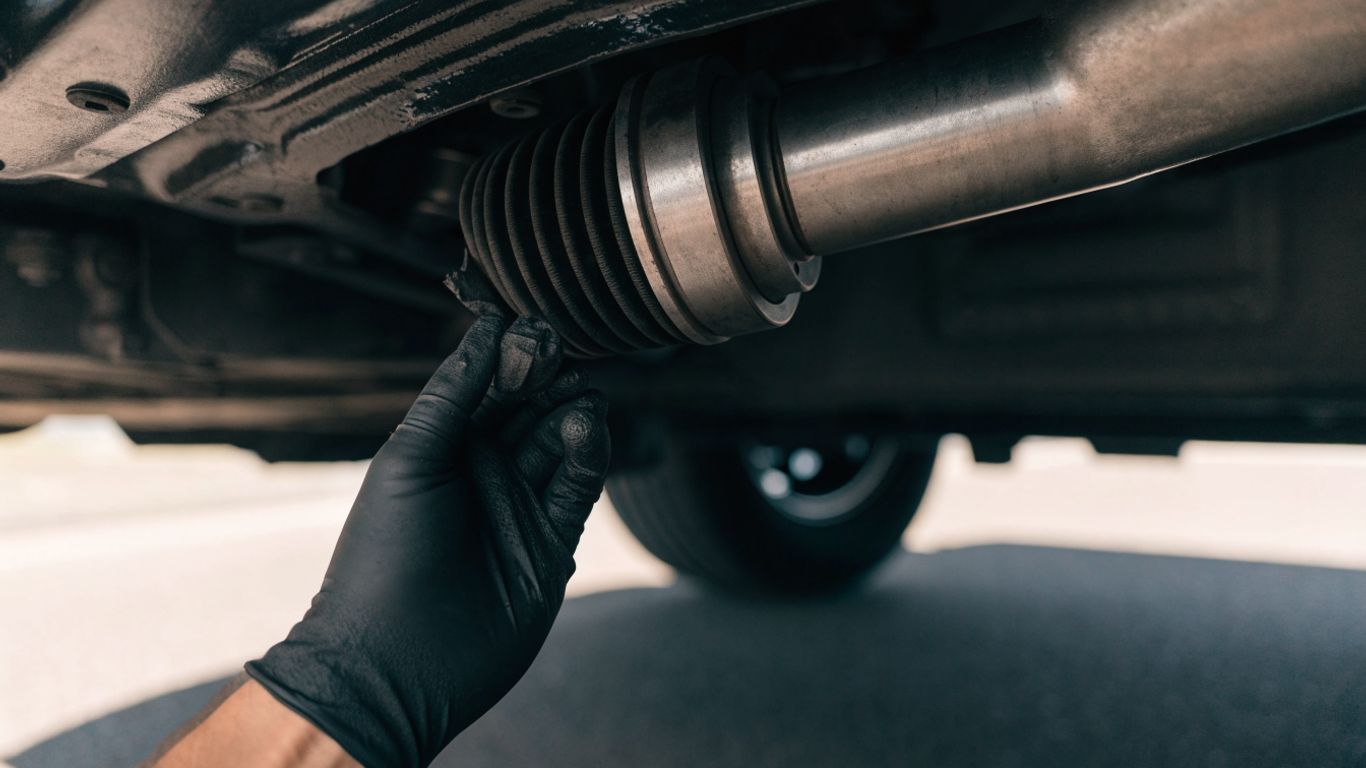
A CV boot keeps grease around a joint and helps keep dirt and moisture away from its moving surfaces. If the boot cracks or splits, grease can escape and contamination can enter. During a visual check, look for a torn or loose boot and grease splashed around the nearby wheel or suspension area. A damaged boot merits prompt attention, but a technician should assess whether the joint itself is also worn.
How to diagnose drive shaft problems
A useful diagnosis starts with the symptom, then checks the parts that could plausibly cause it. A drive shaft should not be replaced simply because a vibration or noise is present. Visual inspection, a road test, and checks of related components can help separate a shaft fault from a wheel, tire, or suspension issue. If there is severe vibration, looseness, or a sudden change in how the vehicle drives, stop using it and arrange professional help.
Inspecting shafts, joints, boots, and mounts
With the vehicle safely supported, an inspection can look for damaged boots, grease loss, visible dents, corrosion, or signs that a connection has shifted. Joints and mounts also need attention because wear or looseness there can mimic shaft trouble. Do not crawl beneath a vehicle supported only by a jack, and do not touch hot or moving parts. A clear view of the component and its connections is more useful than a quick glance from beside the car.
Distinguishing shaft issues from wheel or suspension faults
The timing and character of a symptom can offer clues, but comparisons matter. A wheel or tire problem may show up as speed-related vibration, while a suspension fault may be more apparent over bumps or when steering. These patterns overlap, so they are not a substitute for inspection. A technician can compare the symptom with the condition of the tires, wheel bearings, suspension parts, mounts, and drivetrain joints.
Checking for play, noise, and vibration safely
A short, careful record can help a repair professional reproduce the problem. Note whether it happens during acceleration, coasting, braking, or turns, and whether the sound or vibration is steady or intermittent. Keep the check simple and avoid deliberately provoking a severe symptom. In particular, do not run a vehicle with its wheels raised unless the setup and procedure are appropriate and handled by a qualified person.
A few details are especially helpful to share when arranging an inspection:
- The speed or driving condition when the symptom begins.
- Whether it changes during acceleration, coasting, or turning.
- The location and character of any noise, as best you can tell.
- Any recent impact, repair, or change in the vehicle’s behavior.
This information helps focus the inspection while leaving the diagnosis to someone who can examine the vehicle directly. If a symptom becomes severe or the vehicle feels unstable, do not continue the test drive.
When a professional inspection is necessary
Professional inspection is the safer choice when a shaft appears bent, a joint has noticeable play, a boot is torn, or vibration is strong or worsening. Specialist tools and a secure lift may be needed to check components properly. A technician can also examine the adjacent parts that might be the actual source of the noise. If the vehicle is difficult to control, arrange recovery rather than driving it to a workshop.
Choosing the right replacement drive shaft
A replacement needs to match the vehicle and the position of the part being replaced. Listings may use broad names for different shaft types, so check exactly what is included and where it fits. Suppliers may offer new or remanufactured parts, and a Rexton drive shaft listing may provide a starting point for a search, but the selected item still needs to match the vehicle’s details. Confirming fitment before purchase can save time and avoid a return.
Matching the part to the SsangYong model and year
Use the full model and year information, then check engine, transmission, and drivetrain configuration where the catalog requests them. Registration lookup can be convenient, but verify the result rather than treating it as infallible. Vehicle records or an existing part number can help resolve ambiguity. A brief note in a parts inquiry can include the vehicle identification number and the exact shaft location.
Comparing OEM, aftermarket, and remanufactured options
An original-equipment part, an aftermarket replacement, and a remanufactured unit may differ in source, condition, price, and warranty terms. There is no universal choice that suits every vehicle or budget; compare the description and what the supplier actually guarantees. Ask whether the listed component is complete or supplied without related hardware. Separate product claims from assumptions based on a photograph or a short catalog title.
Verifying dimensions, spline count, and connection points
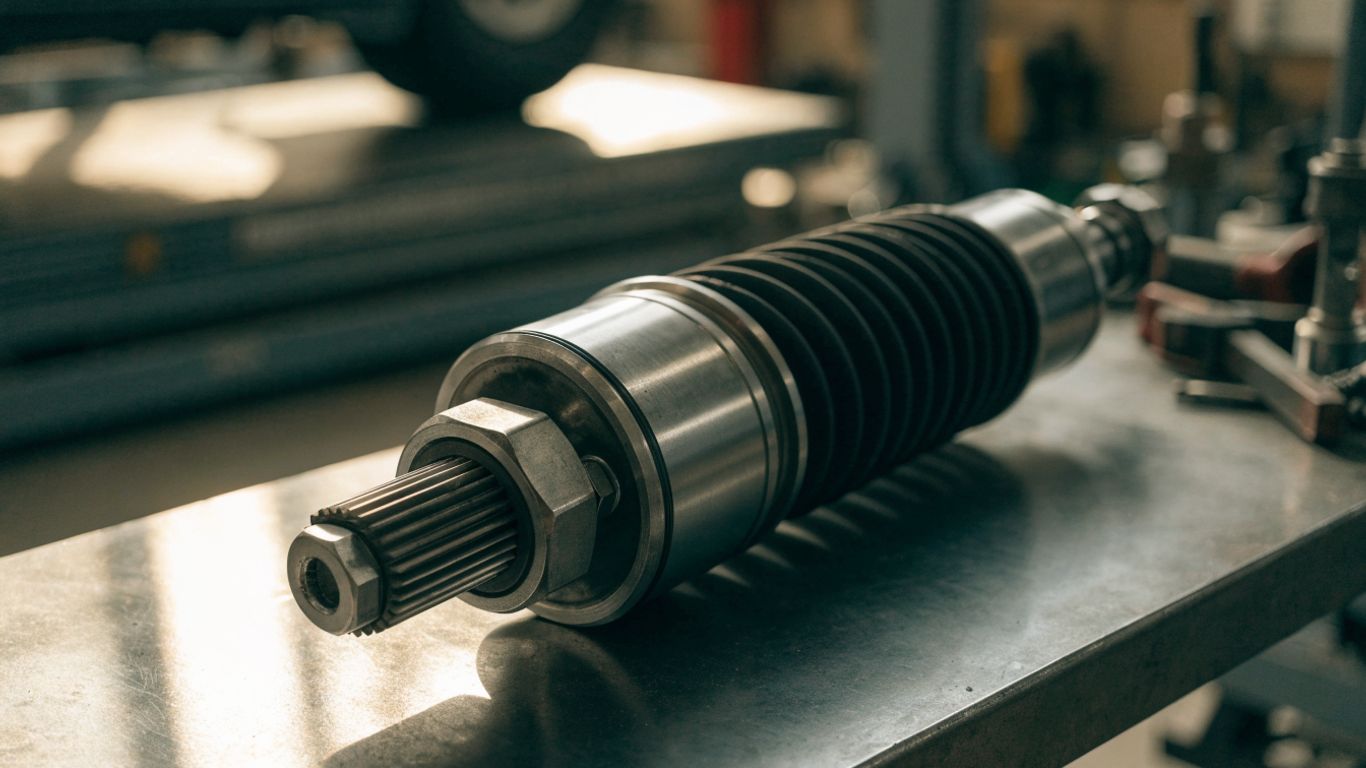
Where fitment remains uncertain, compare the part number and the physical features specified by the supplier. Length, spline count, joint type, and connection points can distinguish components that otherwise look similar. Use measurements only as directed, since different measuring methods can produce misleading comparisons. A supplier familiar with its inventory can help confirm whether the part matches the exact application.
Checking warranty, materials, and supplier support
Before ordering, read the warranty terms, return conditions, and any installation requirements. Ask how the part’s condition is described and what support is available if fitment is unclear. A broad web search may also surface unrelated resources such as garage door installation, a hospitality industry journal, or meal delivery FAQs; those pages are not evidence of automotive fitment. Use a parts supplier’s vehicle-specific information for the decision instead.
What to expect during drive shaft replacement
Replacement generally involves lifting and securing the vehicle, removing the relevant shaft, and checking the connected components. The exact process depends on the shaft location and vehicle design, so the work should follow model-specific service information. A repair is not complete merely because a new part is in place; fasteners, seals, and related joints also need attention where appropriate. After installation, a road test can help confirm that the original symptom has been addressed.
Removing the damaged shaft and inspecting related parts
A technician first identifies the component and supports the vehicle safely. After the shaft is removed, the nearby connection points, joints, seals, and mounts can be checked for wear or damage. Finding a second fault during removal can change the repair plan, so the inspection should not be skipped. The removed part may also help confirm the replacement specifications.
Replacing seals, fasteners, or joints when needed
Some related parts may be reusable, while others should be replaced if damaged, worn, or specified for replacement during service. Seals that have been disturbed deserve particular attention, as do fasteners that the service procedure says should not be reused. The appropriate choices depend on inspection and the vehicle’s repair information. Replacing unrelated parts without a reason is not a substitute for checking the cause of the original failure.
Installation and torque checks
Correct alignment and secure connections matter during installation. Fasteners should be tightened according to the applicable service specifications, using the stated sequence and torque values rather than a general estimate. This is not a good place to improvise: an incorrect installation can create noise, vibration, or a safety issue. A qualified technician should complete the work if the tools or service information are not available.
Road-testing for noise and vibration
Once the repair is complete, a controlled road test can check for the symptom that prompted the work. The technician may listen for unusual noise and assess whether vibration changes under the same conditions as before. If the symptom remains, the diagnosis may need to be revisited rather than assuming the new shaft is defective. A final inspection can confirm that the work area and connections are secure.
Maintaining SsangYong drive shafts
Routine attention can help catch a damaged boot or developing noise before it becomes a larger repair. Maintenance needs vary by vehicle and use, so follow the service guidance for the specific model rather than relying on a universal interval. Keep a note of new vibration, grease leakage, or changes in sound and have them checked promptly. For asset tracking, durable QR asset tags are a separate tool; they do not replace vehicle inspections or service records.
Inspecting CV boots and joints regularly
When checking around the wheels and underside during routine service, look for cracked or loose boots and grease around the joint area. A visual check cannot establish the condition of every internal surface, but it can reveal obvious damage early. If a boot is compromised, ask for an assessment of both the boot and the joint. Inspection frequency should follow the vehicle’s service guidance and operating conditions.
Addressing leaks and unusual noises early
A fresh grease mark, repeated clicking, or a new clunk deserves attention, especially if the symptom is changing. Describe when it happens rather than trying to diagnose the component yourself. Prompt checks can reveal whether the issue is a boot, joint, mount, or another nearby part. Delaying an inspection may allow a small fault to cause additional wear.
Avoiding drivetrain strain in demanding conditions
Rough surfaces, heavy loads, and abrupt changes in traction can place extra demands on drivetrain components. Drive smoothly where conditions allow, and use the vehicle’s operating modes only as directed in its owner information. If a new vibration follows demanding use, have it checked instead of assuming it will disappear. This is sensible caution, not a substitute for model-specific operating advice.
Following service guidance for the specific model
Service information for the exact vehicle is the best guide to inspection points and maintenance requirements. Keep records of repairs and note any part numbers used, which can make future parts searches more accurate. Vehicle-market changes may affect which parts are available, as discussed in this auto-market overview, but broad industry context does not establish compatibility for a particular vehicle. Confirm fitment with vehicle-specific records and supplier guidance.
Conclusion
Drive shaft problems are easier to address when symptoms are recorded carefully, related components are inspected, and replacement fitment is confirmed before ordering. Use the vehicle’s specific service guidance and get professional help when damage or severe vibration makes continued driving unsafe.
Frequently Asked Questions
What does a drive shaft do?
It transmits rotational power between drivetrain components, helping carry power toward the driven wheels. The exact arrangement depends on the vehicle’s layout.
Can a vibration mean a drive shaft is failing?
It can, but wheel, tire, bearing, suspension, and other drivetrain problems can cause similar symptoms. Inspection is needed to identify the source.
Why does a clunk happen when moving off?
A clunk may come from movement or wear in a joint, mount, or other drivetrain connection. The sound alone cannot identify which component needs repair.
Is it safe to drive with a torn CV boot?
A torn boot can let grease escape and dirt enter the joint. Arrange an inspection soon, and avoid driving if there is severe noise, vibration, or instability.
How can I find the correct replacement shaft?
Start with the vehicle’s exact model, year, engine, transmission, and drivetrain details. Confirm the part number and physical fitment with the supplier before ordering.
Should a drive shaft be repaired or replaced?
That depends on the damage, the shaft design, parts availability, and the repair guidance for the vehicle. A technician can assess whether a repair is suitable or replacement is needed.
What should I do after a replacement?
A controlled road test should check for the original noise or vibration, followed by an inspection of the installed connections. If symptoms persist, have the diagnosis reviewed.