

Key Takeaways
A sound cooling system depends on the right parts, correct diagnosis, and careful installation. Use the vehicle’s exact model and engine details before ordering anything.
- Confirm fitment by model, engine, production year, and part number.
- Treat overheating, coolant loss, and unusual smells as warning signs.
- Inspect related parts instead of replacing only the visibly damaged item.
- Refill with compatible coolant and remove trapped air carefully.
- Get professional help when testing or dismantling the system requires specialist tools.
Understanding the Ssangyong cooling system
The cooling system carries heat away from the engine and releases it through the radiator. Coolant must circulate at the right rate, remain sealed, and stay within a controlled temperature range. Even a small fault can become serious if the vehicle continues to run hot. This guide to Ssangyong cooling system parts begins with the basic flow, then moves through diagnosis and replacement.
How coolant moves through the engine
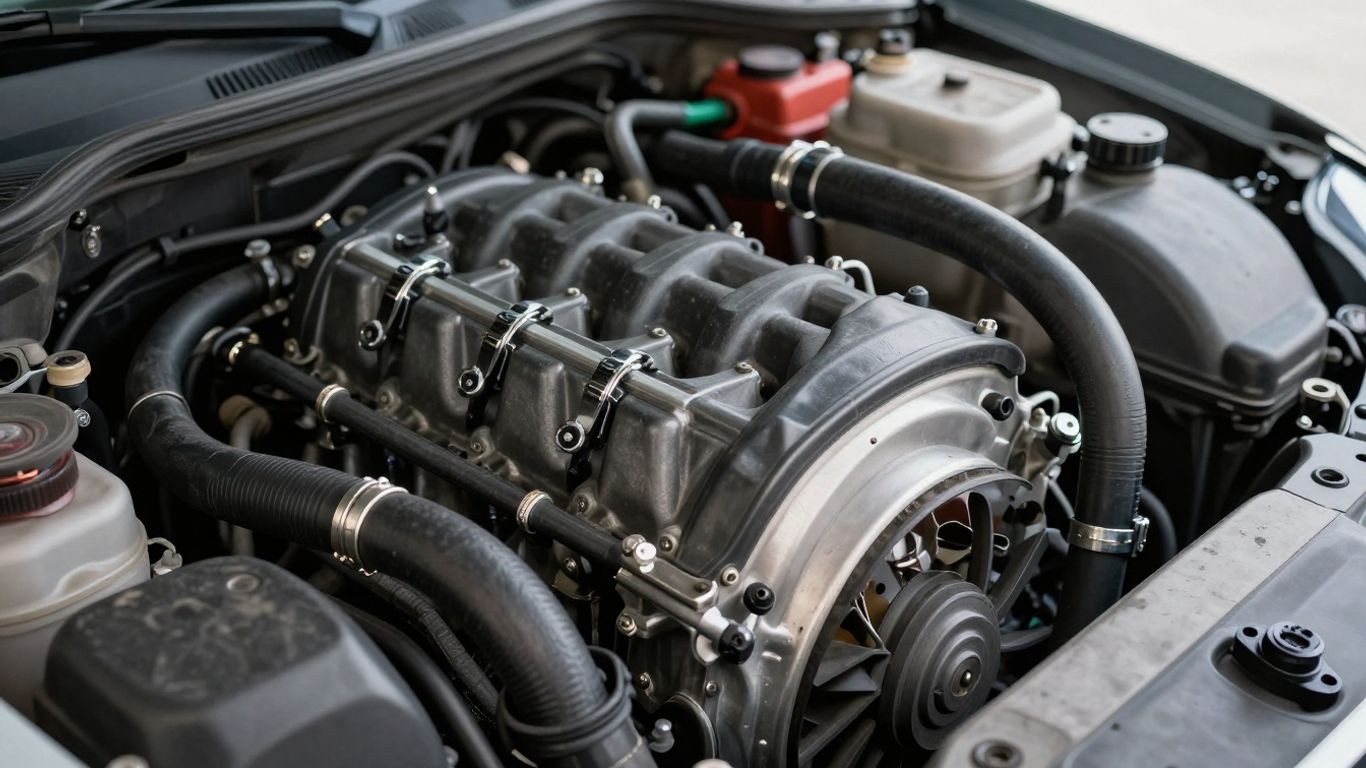
A water pump pushes coolant through passages around the cylinders and combustion areas, where it absorbs heat. The heated fluid then travels toward the radiator, while cooler fluid returns to the engine. The thermostat regulates when the larger radiator circuit opens, helping the engine warm up without allowing temperatures to climb unchecked.
The role of the radiator and expansion tank
The radiator uses airflow to transfer heat from the coolant to the surrounding air. Its cap controls pressure, while the expansion tank gives coolant room to expand as it heats and contract as it cools. The tank level should be checked only when the engine is cold, because a hot pressurized system can release scalding fluid.
Why temperature control matters for engine performance
An engine that runs too hot may suffer from damaged seals, warped components, or loss of lubrication. Running too cool can also be undesirable because the engine may not reach its intended operating temperature efficiently. Stable temperature control supports consistent operation, fuel economy, and long-term reliability.
Differences across Ssangyong models and engines
Cooling layouts vary with engine size, fuel type, transmission arrangement, and production year. Hose routing, thermostat housings, sensor connectors, radiator dimensions, and fan assemblies may all differ. Treat catalog descriptions as a starting point, not proof of fitment; the vehicle identification number and the original part should settle any uncertainty.
Essential Ssangyong cooling system parts
The system is made up of mechanical, electrical, and sealing components that work together. A radiator alone cannot correct a sticking thermostat, weak water pump, failed fan, or leaking hose. When shopping for Ssangyong cooling system parts, consider the surrounding components and the reason the original part failed.
Radiators, radiator caps, and cooling fans
Radiators can develop blocked passages, damaged fins, or leaks around their tanks and seams. The cap must hold the specified pressure, and the cooling fan must move enough air when natural airflow is limited. Inspect fan wiring, relays, and shrouds as well as the fan motor itself.
Water pumps, thermostats, and housing units
The water pump provides circulation, while the thermostat controls the transition between the smaller and larger coolant circuits. A worn pump may leak or develop bearing noise, and a thermostat can stick open or closed. Housing units also deserve attention because cracks and distorted sealing surfaces can cause repeat leaks.
Hoses, pipes, seals, and clamps
Rubber hoses harden, soften, swell, or split with age and heat cycles. Metal pipes can corrode, particularly around joints and supports, while seals and clamps lose their ability to maintain pressure. A hose that looks acceptable externally can still be weak near a bend or beneath a clamp.
Coolant temperature sensors and related electrical components
The temperature sensor supplies information used by the vehicle’s control and warning systems. A damaged connector, corroded terminal, faulty relay, or broken wire can create symptoms that resemble a mechanical cooling fault. Test the circuit before assuming that replacing the sensor will solve the problem.
The cooling parts catalog is useful for seeing how radiators, water pumps, hoses, and thermostats are grouped for this type of repair. For a clearly defined older application, the Korando KJ 2.3 listing also illustrates why engine and production-year details matter.
How to identify cooling system problems
Diagnosis should begin with the symptoms and the conditions in which they occur. Note whether the problem appears in traffic, on hills, at highway speed, or immediately after startup. Never remove a radiator cap from a hot engine, and stop driving if the temperature warning persists.
Recognizing overheating and temperature warning signs
A rising gauge, warning lamp, steam, reduced power, or a sharp coolant smell can signal overheating. The gauge may move quickly or fluctuate if coolant is low or air is trapped in the system. Pull over safely, switch off the engine, and allow it to cool before inspecting anything under the hood.
Diagnosing coolant leaks and low coolant levels
Look for wet areas, dried colored residue, stains beneath the vehicle, or a falling level in the expansion tank. Check hose ends, the radiator seams, the water pump area, and the thermostat housing. A pressure test can reveal a slow leak that does not appear while the engine is cold and stationary.
A careful inspection is easier when the checks follow a fixed order rather than a guess. Start with the simple external evidence, then move toward pressure and component testing:
- Check the cold coolant level and the condition of the fluid.
- Inspect hoses, clamps, pipes, radiator seams, and the pump area.
- Look for wet residue around the thermostat housing and cap.
- Compare the temperature gauge behavior with scan-tool data when available.
This sequence helps separate a low-fluid problem from a circulation, pressure, or sensor issue. It also creates a useful record for a technician if the fault is intermittent.
Interpreting unusual noises, odors, and exhaust smoke
A rumbling or grinding sound near the pump may point to bearing wear, while squealing can come from a slipping belt or pulley. Sweet-smelling vapor around the engine suggests coolant escaping onto a hot surface. Persistent white exhaust smoke can indicate coolant entering the combustion process, although other causes are possible and testing is needed.
Checking for thermostat, fan, or water pump failure
A thermostat stuck closed can cause rapid overheating, while one stuck open may leave the engine running cooler than expected. A fan fault often becomes more obvious during slow traffic or while idling. Pump problems may combine poor circulation, leakage, and noise, so diagnosis should include temperature behavior, visual inspection, and appropriate pressure or flow tests.
Choosing the right replacement parts
Correct selection is more than matching a vehicle make. Two engines in the same model range may use different radiator outlets, sensors, housings, or thermostat temperatures. Record the old part number, compare photographs and connector shapes, and verify the application before paying for the order.
Matching parts to the model, engine, and production year
Start with the model designation, engine code, production year, drivetrain, and any relevant market specification. Older vehicles may have mid-year changes that affect hose shapes or electrical connectors. If the seller asks for a vehicle identification number, provide it rather than relying on a broad model description.
Comparing genuine, aftermarket, and used components
A genuine replacement may be the simplest route when exact construction and fit are priorities. A reputable aftermarket part can be practical when its dimensions, materials, and warranty are clear. Used components can make sense for hard-to-find housings or brackets, but rubber seals, old hoses, and unknown thermostats deserve particular caution.
Checking fitment, specifications, and part numbers
Compare inlet and outlet positions, core dimensions, mounting points, pressure ratings, connector types, and included seals. A part that looks similar may still interfere with a fan shroud or use the wrong hose diameter. Keep the invoice and packaging until installation is complete in case the fitment needs to be reviewed.
Avoiding low-quality parts and incorrect coolant products
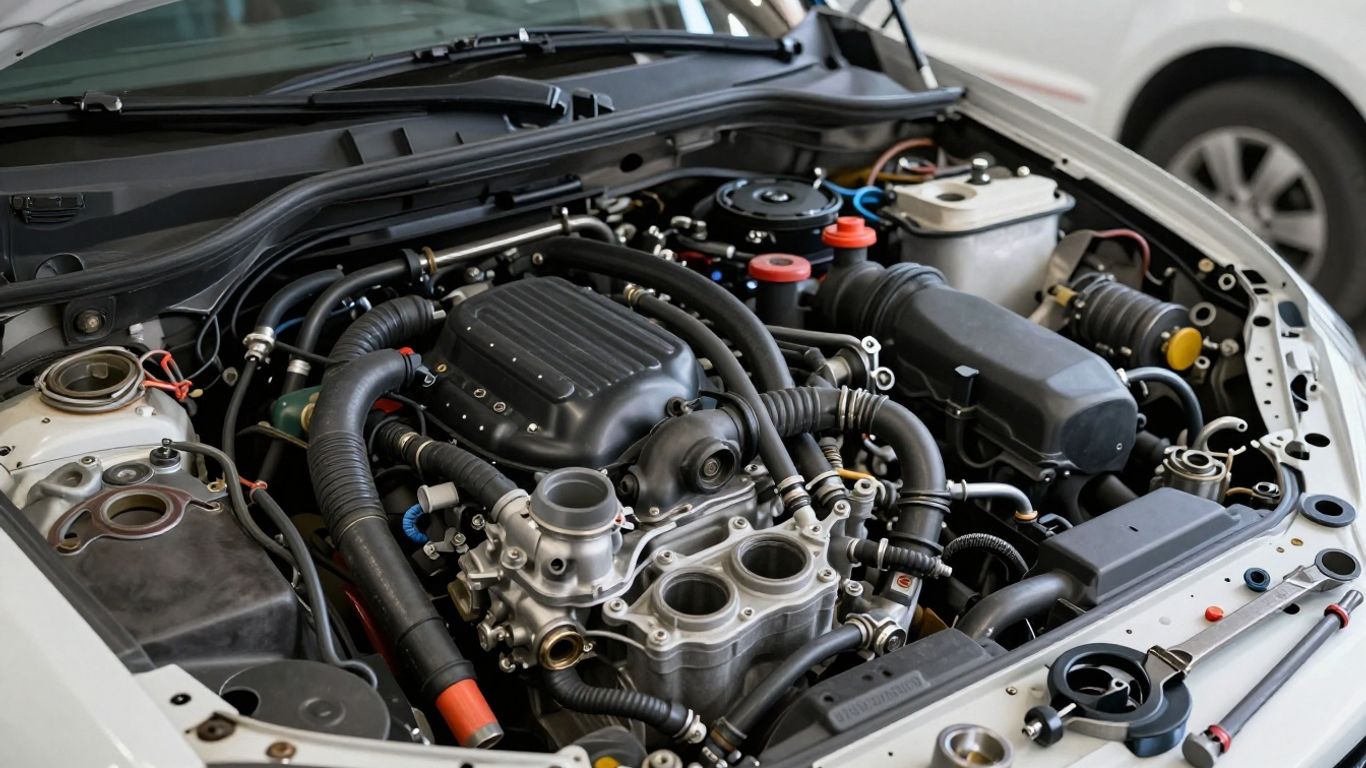
Very low prices can reflect thin materials, poor sealing surfaces, inaccurate thermostats, or missing hardware. Coolant should match the vehicle manufacturer’s requirements and should not be mixed casually with an incompatible type. If the existing fluid is unknown, a complete drain and refill with the correct product is safer than topping up indefinitely.
Replacing and maintaining cooling system components
Replacement work should address the cause of failure as well as the failed component. New parts can be damaged by contaminated coolant, a blocked radiator, excessive belt tension, or trapped air. Use a repair manual for tightening procedures and access instructions, since the layout differs between engines.
When to replace hoses, belts, and the thermostat
Replace hoses that are cracked, swollen, brittle, oil-soaked, or soft near their ends. A belt should be renewed when it is frayed, glazed, contaminated, or due for scheduled service, and its tension should be checked after installation. Thermostats are often sensible to replace when the housing is already open, especially if the thermostat caused the original overheating.
Planning a radiator or water pump replacement
Before removing a radiator, identify the drain point, fan connections, transmission cooler lines if fitted, and any clips that may break during removal. A pump job may involve belt removal, difficult access, or replacement of a gasket and related fasteners. Gather coolant, seals, clamps, and cleanup materials first so the vehicle is not left partially dismantled.
Flushing the system and refilling with coolant
A flush can remove old coolant, sediment, and traces of contamination, but it will not repair a cracked radiator or failed pump. Drain the system safely, use only an appropriate flushing product if required, and refill with the specified coolant mixture. Afterward, inspect the level again once the engine has cooled completely.
Bleeding air from the cooling system safely
Air pockets can interrupt circulation and produce misleading temperature changes. Follow the engine-specific bleeding procedure, use the designated bleed screw if present, and run the heater as directed while monitoring the level and temperature. Stop immediately if the engine begins to overheat, then allow it to cool before continuing.
Cooling system repair costs and professional help
The final bill depends on the failed component, access time, coolant requirements, testing, and whether related parts need replacement. A simple hose can be inexpensive, while a water pump or radiator job may involve substantial labor. A transparent estimate should separate diagnosis, parts, labor, fluids, taxes, and any follow-up work.
Factors that affect parts and labor costs
Radiator size, pump location, fastener condition, and fan or belt access all influence labor. The choice between new, aftermarket, and used parts changes the parts total, while coolant contamination may add flushing and disposal charges. For general budgeting, the motor home ownership costs guide is a reminder that repair planning should include ongoing maintenance rather than only the purchase price.
When a coolant flush may solve the problem
A flush may help when coolant is old, discolored, contaminated, or restricted by deposits, provided the hardware remains sound. It will not solve overheating caused by a stuck thermostat, damaged fan, leaking hose, or worn pump. The fixed-price quotes page can be a useful reference when comparing what a basic cooling service estimate may include.
Repairs that require specialized tools or expertise
Pressure testing, electrical diagnosis, belt timing work, and cooling-system vacuum filling can require equipment and experience. Access may also involve removing covers or other components without damaging clips and connectors. A professional inspection is the safer choice when the cause is unclear, coolant enters the oil, or the engine has already overheated severely.
The same preference for methodical, practical guidance appears in a TMJ specialist consultation, a laundry stain guide, or dependable WordPress help: identify the actual problem before choosing a remedy. Those subjects are unrelated to vehicle repair, but the diagnostic principle is the same—avoid treating a symptom blindly.
How to prevent repeat failures after installation
Clean sealing surfaces, use the correct torque, renew damaged clamps, and route hoses away from belts and hot exhaust components. Recheck the level, inspect for leaks, and confirm that the fan and heater operate normally after the repair. Keep notes about the parts used and the coolant installed; that record makes the next diagnosis faster.
Conclusion
Choosing and replacing cooling components is safest when diagnosis comes before ordering, fitment is verified carefully, and the finished system is refilled and bled correctly. A calm inspection can prevent a small leak or weak component from becoming major engine damage.
Frequently Asked Questions
What are the most common cooling system parts?
Common parts include the radiator, cap, cooling fan, water pump, thermostat, hoses, pipes, seals, clamps, and temperature sensor. The exact arrangement depends on the engine and vehicle configuration.
How can I tell if coolant is leaking?
Look for wet spots, dried residue, a sweet smell, falling reservoir level, or steam around the engine. A pressure test can help locate a slow leak that is difficult to see during a normal inspection.
Can I drive with an overheating engine?
No. Continuing to drive while the temperature warning remains active can cause severe engine damage. Pull over safely, switch off the engine, and wait until it is fully cool before checking the system.
How often should coolant be replaced?
The interval depends on the coolant type and vehicle maintenance schedule. If the fluid is contaminated, badly discolored, or the system has been opened for repairs, replacement may be appropriate sooner.
Does a coolant flush fix overheating?
Only when contamination or restricted coolant flow is the actual cause. A flush cannot repair a failed thermostat, leaking radiator, damaged hose, faulty fan, or worn water pump.
Why does the temperature gauge fluctuate?
Fluctuation can result from low coolant, trapped air, a sticking thermostat, poor circulation, or inaccurate temperature readings. The surrounding symptoms and appropriate testing are needed to identify the cause.
Should cooling system repairs be done professionally?
Simple inspections and some hose replacements may be manageable for an experienced owner. Pressure testing, electrical diagnosis, belt-related work, and repairs after serious overheating are better handled by a qualified technician.