
Key Takeaways
- Understanding the rebranding from SsangYong to KG Mobility helps in finding relevant parts.
- Distinguishing between OEM and aftermarket components ensures vehicle longevity and performance.
- Essential maintenance like filter and fluid changes should follow specific manufacturer intervals.
- Interior and exterior accessories can personalize the vehicle, but compatibility must be verified.
- Reliable supply chains, including authorized dealerships and reputable retailers, are vital for securing the right components.
Understanding the transition from SsangYong to KGM
Branding changes in the global market
Recent shifts in the automotive industry have brought significant changes to legacy brands as they modernize their operations. Owners of the KGM Torres often find themselves navigating a new identity as the company transitions its global presence from its long-standing roots. This shift is not merely cosmetic, as it reflects a strategic pivot toward future-oriented vehicle development and standardized supply chains for KGM Parts & Accessories.
Compatibility between legacy SsangYong and KGM labels
Many components remain consistent across older branding, meaning that parts verified for earlier production runs often integrate seamlessly with newer units. It is essential to look at the Parts Catalog listings to confirm that technical requirements match the build date of your crossover rather than relying solely on the badge. Because the structural architecture is shared, most functional hardware is interchangeable regardless of whether the box is labeled with the former or current manufacturer name.
Identifying correct part numbers for your model year
Ensuring you select the correct part begins with accessing precise technical documentation for your specific build. A precise identification of build date is the most reliable method for avoiding shipment errors. Always verify data against the manufacturer’s official database to ensure you are sourcing the correct components for your daily driver.
Distinguishing between genuine OEM and aftermarket parts
Benefits of original equipment manufacturer components
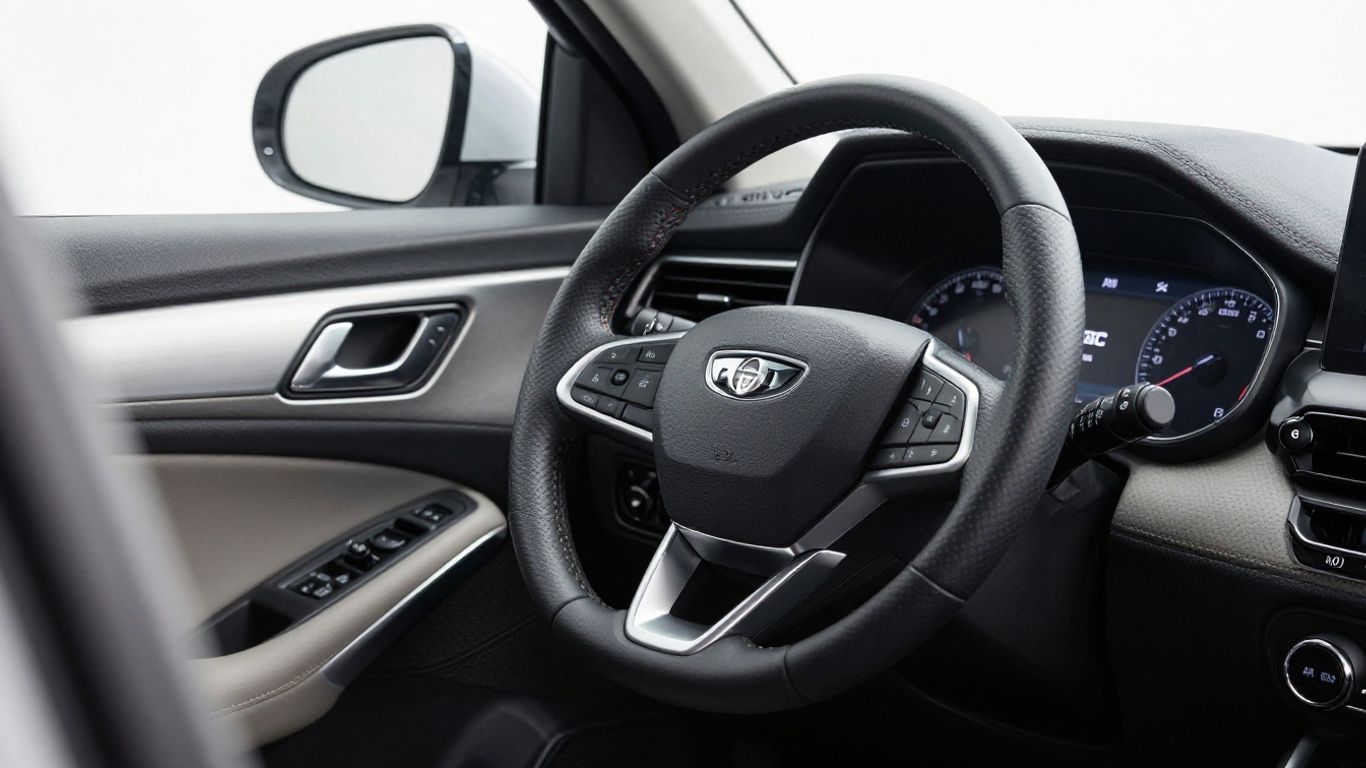
Choosing components directly from the factory ensures that every fit, finish, and performance metric matches the original vehicle specifications exactly. When you work with Miral Auto Camp Corp, you are accessing a supply chain that prioritizes quality control and long-term reliability for your crossover. Integrating these purpose-built items eliminates the guesswork often associated with modifying sensitive vehicle systems.
Pros and cons of high-quality aftermarket alternatives
While OEM parts are often preferred for critical systems, high-quality aftermarket options can offer cost-effective solutions for aesthetic or non-load-bearing upgrades. These products often provide a wider range of customization, although you should always weigh the durability against the lower price point. Consider the trade-offs carefully before choosing between factory-certified hardware and third-party solutions.
Identifying counterfeit parts in the secondary market
Counterfeit components pose a real risk by mimicking legitimate branding while failing to meet safety standards. Always purchase from authorized vendors to avoid potentially hazardous materials, as low-cost imitations often lack the structural integrity required under extreme driving conditions. Check for consistent holographic labeling and documentation provided by established distributors before finalizing your acquisition.
Warranty implications of non-OEM hardware
Installing non-approved parts can sometimes complicate the validity of your manufacturer’s warranty coverage. It is wise to consult your service manual to understand which modifications are permitted without impacting your protection. Maintaining a clear record of all service and upgrades performed will help you navigate any future claims efficiently.
Essential routine maintenance parts for the Torres
Choosing the right engine oil and filter kits
Keeping the powertrain healthy requires adherence to specific viscosity grades and filter specifications defined in the service manual. Consistent fluid changes are the most effective way to prevent premature wear in high-performance engines. Using the correct filtration media ensures that debris is effectively removed without restricting flow rates, providing stable protection under all environmental stresses.
Brake pad and rotor replacement intervals
Monitoring your braking system allows you to avoid costly damage to components while maintaining optimal stopping power. We have outlined a set of typical maintenance expectations below for standard driving conditions.
| Component | Service Action | Recommended Interval |
|---|---|---|
| Brake Pads | Inspection | Every 10,000 miles |
| Brake Rotors | Measurement | Every 25,000 miles |
| Brake Fluid | Exchange | Every 30,000 miles |
These guidelines help provide a structured approach to managing your vehicle’s safety systems without over-servicing components that remain well within operational limits.
Engine air and cabin filter maintenance
Engine health and passenger comfort rely on regular filter replacements to maintain airflow and cleanliness. Clean air filters promote efficient combustion processes, directly impacting fuel economy and power delivery. Similarly, fresh cabin filters ensure that interior air quality remains high by trapping allergens and particulates before they enter your workspace.
Spark plug specifications for optimal performance
Engine timing and combustion efficiency are directly influenced by the condition of your spark plugs. Using the exact heat range and gap distance designed for your engine configuration is non-negotiable for sustained performance. Refer to the manufacturer’s updated technical guidelines whenever you perform a tune-up to ensure ignition timing remains within factory parameters.
Exterior and interior accessory upgrades
Roof racks and off-road cargo solutions
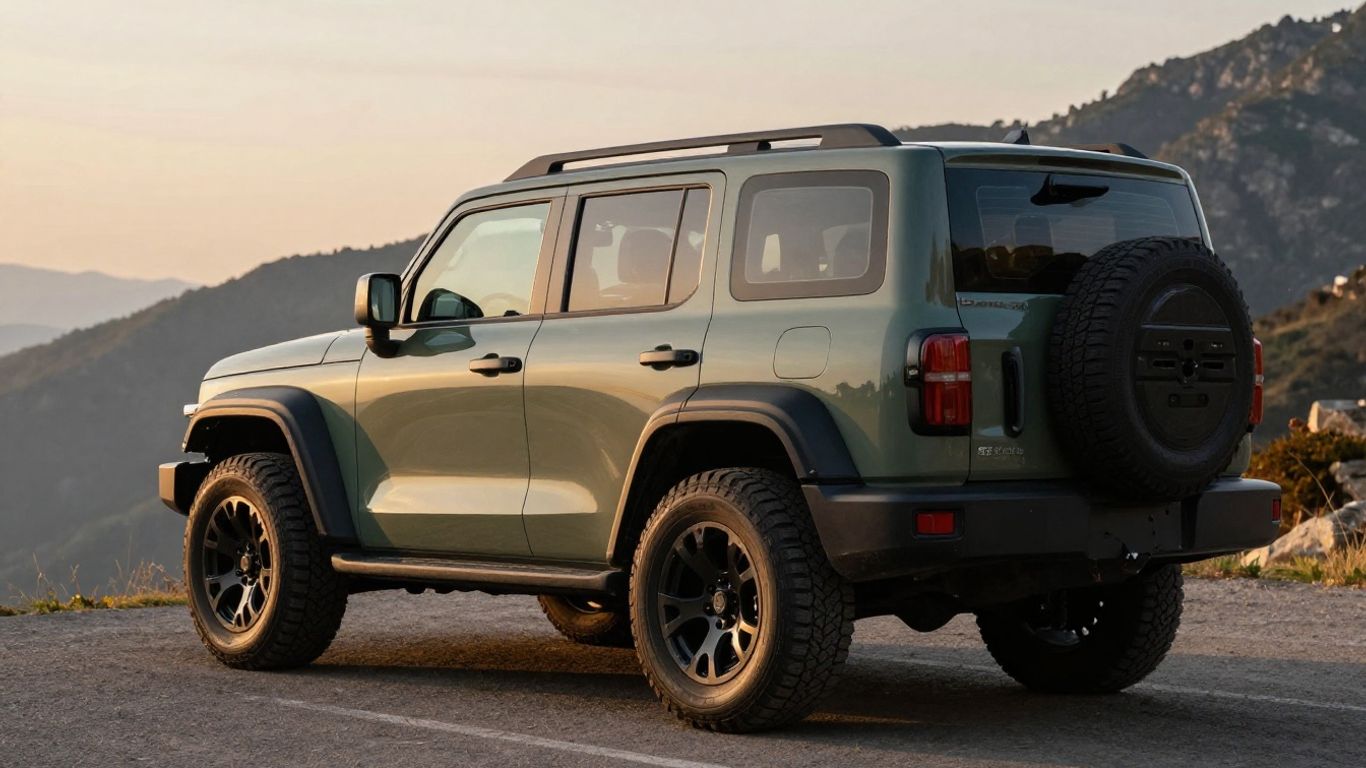
Adding utility to your vehicle requires choosing accessories that are compatible with the factory mounting points to avoid body damage. These upgrades must support your specific cargo weight requirements without compromising structural rigidity. The following list details important considerations for selecting your trail-ready gear:
- Verify maximum static and dynamic load limits for the crossbars.
- Confirm that the attachment style matches the factory roof rails.
- Ensure the materials are resistant to corrosion from outdoor elements.
- Test the fitment for potential wind noise or vibration at highway speeds.
Following these steps ensures your vehicle carries gear safely throughout its lifespan.
Aesthetic interior trim and protectant kits
Customizing the interior can protect surfaces from daily wear and tear while elevating the cabin atmosphere. High-grade trim kits and protective surface treatments prevent damage from sun, heat, and moisture. Selecting UV-stable materials provides a balance between style and lasting durability.
Front grille and light guard modifications
Front-end modifications change the aesthetic while serving a protective function against road debris. Ensure any light guards are installed securely so they do not obstruct beam patterns or cooling airflow to the radiator. Proper installation prevents long-term rattling and maintains the integrity of the paintwork underneath.
Floor liners and seat protection covers
Floor liners are essential for trapping mud and moisture, effectively shielding the underlying carpet from permanent stains. Seat covers offer an additional layer of protection, particularly useful for high-activity lifestyles. Choose materials that are breathable yet spill-resistant to ensure long-term value and comfort.
Navigating electronic components and diagnostics
Sensor replacement for ADAS systems
Advanced driver-assistance systems rely on precise sensor data to function correctly, meaning any calibration or replacement must be handled with specialized tools. Avoid tampering with these modules unless you have access to official diagnostic interfaces. Incorrect handling can lead to system errors that negatively affect vehicle safety features.
Battery health and electrical system maintenance
Vehicle electrical systems are sensitive to fluctuations, making standard battery condition checks vital for consistent performance. Keep battery terminals clean and verify voltage levels periodically to avoid unexpected starting issues. Proper battery management extends the life of internal electronics and prevents system-wide malfunctions.
Infotainment screen and peripheral connectivity
Maintaining the infotainment system requires software awareness and physical care of the connection ports. Avoid using abrasive cleaning agents on the touchscreen, as they can damage the anti-reflective coating. Periodic software updates provided by authorized service centers can improve peripheral compatibility and system stability.
Accessing the onboard diagnostic port safely
Connecting a diagnostic interface to your vehicle allows you to read error codes, but it must be done with caution. Use standard OBD-II protocols and avoid leaving third-party devices connected while the engine is off to prevent parasitic battery drain. Reliable connectivity ensures that you can monitor the vehicle’s health without disrupting internal communication networks.
Best practices for finding reliable suppliers
Utilizing official KGM dealership parts departments
Dealerships offer the most reliable path to obtaining authentic parts that carry factory backing. They provide access to parts department staff who can interpret the latest technical bulletins and supply chain updates, significantly increasing the probability of getting the exact component on the first attempt.
Vetting independent vehicle parts retailers
Independent retailers can provide a broader range of options, but vetting their history and customer feedback is essential. Look for established businesses that provide verifiable part numbers and return policies. Being diligent in your search helps you establish a relationship with a supplier that understands the specific needs of your vehicle model.
Sourcing hard-to-find components through salvage yards
For discontinued or exceptionally rare parts, salvage yards can be a useful, albeit challenging, resource. Always inspect salvage components for internal damage before installation, as used parts lack the guarantee of new production items. This route is best reserved for non-critical structural or interior components where original factory items are otherwise unavailable.
Importance of verifying VIN-specific compatibility
Using your Vehicle Identification Number is the single most accurate method for confirming that a part will fit without modification. Every major assembly component is cataloged against these numbers, minimizing the risk of ordering incorrect hardware. Always check your VIN against the retailer’s compatibility tool, especially when dealing with trim-level specific assemblies.
Conclusion
Maintaining your vehicle requires a steady approach to sourcing authentic components and proper maintenance routines. By staying focused on official documentation and utilizing reputable suppliers, you ensure your investment remains reliable and performant. Whether you are performing routine upkeep or selecting new accessories, prioritizing quality data and factory-recommended standards will keep your vehicle running at its best throughout its lifecycle.
Frequently Asked Questions
Can I use parts from older models on my new vehicle?
Compatibility often exists between different model years, but you must always verify the part number against your vehicle’s VIN to ensure mechanical requirements and sensor integration are properly met before purchase.
What is the most critical item to maintain for engine longevity?
Engine oil and high-quality filter replacement at the specified intervals are the primary factors in preventing internal wear and maintaining correct lubrication for your powertrain.
Why is it important to buy parts from an authorized dealership?
Authorized dealerships offer parts guaranteed to meet strict factory standards, providing assurance regarding safety, fitment, and the integrity of your manufacturer’s warranty coverage.
How often should I inspect my vehicle’s braking system?
Detailed inspections should coincide with your regular service intervals, but you should also remain observant of any unusual noises or changes in pedal feel during normal daily operation.
Are aftermarket aesthetic upgrades safe to install?
Most aesthetic upgrades are safe, provided they are installed according to manufacturer instructions and do not impede the function of vehicle sensors, lighting systems, or cooling airflow.
Where can I find the correct part numbers for my interior trim?
Consulting the official parts manual linked to your VIN through a verified database or dealership catalog is the most accurate method to locate specific interior trim identifiers.
Is it safe to connect diagnostics tools to the OBD-II port?
It is safe when using high-quality, reputable tools, provided you do not leave the device permanently connected to prevent unnecessary battery drain while the ignition is switched off.