Key Takeaways
Understanding the complexities of vehicle maintenance involves balancing cost and reliability. These guidelines offer essential insight into managing your inventory needs.
- OEM parts provide factory-exact specifications for your vehicle.
- Aftermarket components often offer cost-effective alternatives for repairs.
- Using valid VIN codes is essential for verify component compatibility.
- Quality testing ensures that non-OEM parts meet safety standards.
- Proper vendor evaluation minimizes the risk of purchasing inferior products.
Understanding the SsangYong parts ecosystem
Finding the right components for your vehicle requires a clear understanding of the parts landscape. Whether you are performing routine service or complex repairs, distinguishing between available supply options is the first step toward a successful project. Navigating this environment ensures that your vehicle receives the correct parts for long-term reliability.
The difference between OEM and aftermarket
Original Equipment Manufacturer (OEM) parts are produced by the same manufacturers that created the components installed during vehicle assembly. These parts are designed to meet exact factory specifications, ensuring a perfect fit and familiar performance characteristics for your specific model.
Identifying genuine versus compatible components
Genuine components carry official branding and are supplied by authorized distribution channels. Compatibility can be tricky, as some parts might physically fit multiple vehicle platforms while operating outside the original performance envelope. Always cross-reference part numbers to ensure that the component functions correctly within the electrical or mechanical logic of the specific system.
When to choose aftermarket over original parts
Choosing between sources often depends on your budget and the nature of the repair. While OEM items guarantee consistency, many ssangyong aftermarket parts provide a viable solution for older vehicles where factory-original parts might be discontinued. This is a common practical financial decision when managing total ownership costs over the life of a high-mileage vehicle.
Navigating compatibility and part numbers
Successfully sourcing the right gear relies heavily on accurate data. Even subtle differences in model years or trim levels can result in parts that do not seat correctly or electrical connectors that refuse to lock, making precise identification a cornerstone of your search.
Interpreting SsangYong diagrams and schematics
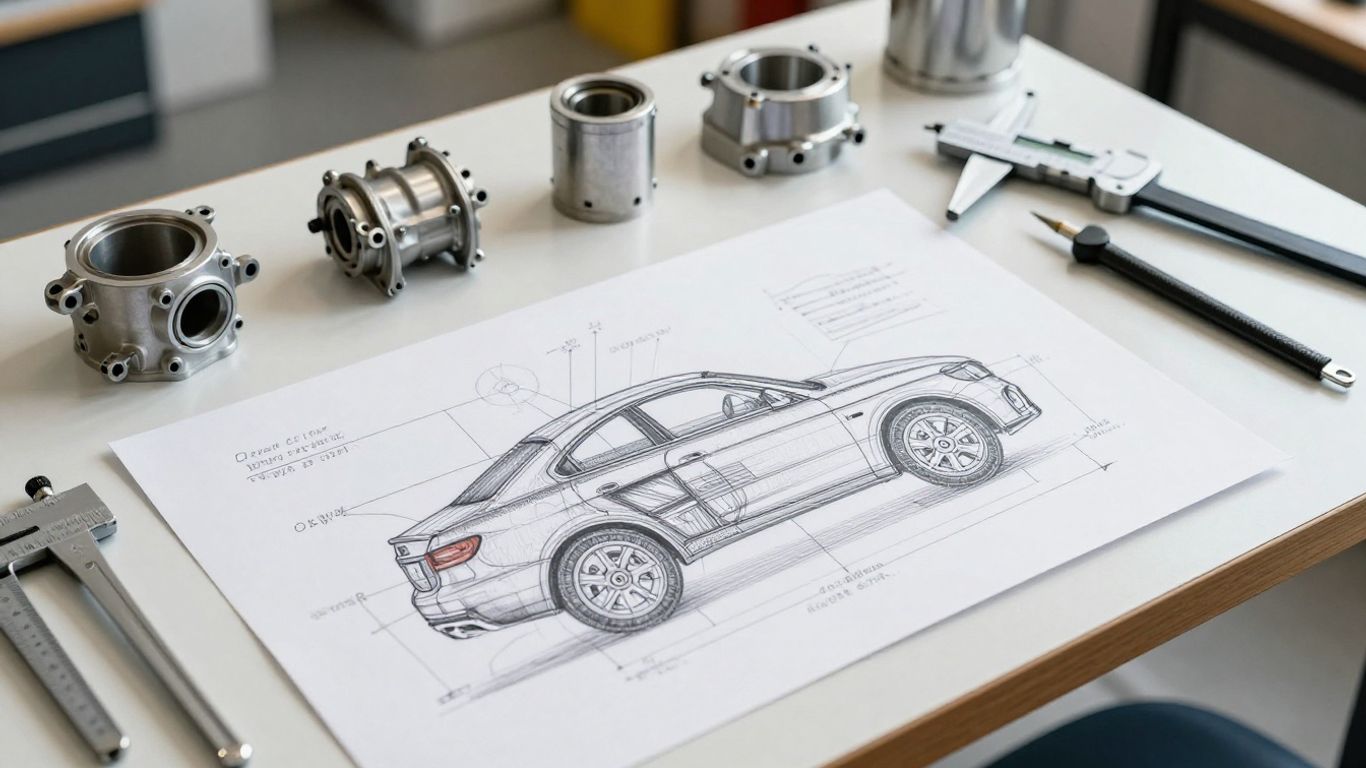
Diagrams serve as an indispensable map for understanding how different assemblies fit together within your engine bay or undercarriage. By looking at these visual breakdowns, you can identify specific fasteners, seals, or brackets that are often overlooked in standard search prompts.
Using VIN codes for accurate part verification
Your Vehicle Identification Number remains the most definitive tool for narrowing down your search. By inputting this code into databases like Miral Auto Camp Corp., you can confirm exact fitment before placing an order, which significantly reduces the probability of receiving a redundant item.
Common pitfalls in cross-referencing components
Many enthusiasts rely on generic web searches that claim broad compatibility across diverse vehicle lines. Relying on these unverified lists can lead to frustration, especially with engine-specific parts that rely on proprietary sensors or cooling loops managed by N Auto Express components.
Assessing quality in aftermarket manufacturers
Not all alternative manufacturing is equal. Because the market is flooded with varying grades of steel, plastics, and electronics, evaluating the reputation behind a manufacturing brand before finalizing your purchase is absolutely critical to the safety of your ride.

Recognizing trusted aftermarket brands
Reliability often correlates with a brand’s historical track record in the automotive space. Look for companies that have explicitly stated their focus on specific makes and models rather than those producing generic, "one-size-fits-all" parts that lack the engineering oversight found in Heartland KGM offerings.
Evaluating certifications and quality standards
Certifications provide a baseline for what you can expect regarding material durability and production precision. Manufacturers that adhere to international standards for safety and testing are far less likely to introduce flaws that could put your vehicle at risk during high-speed transit or heavy load scenarios.
Signs of poor-quality or counterfeit components
Watch for inconsistencies in packaging, lack of clear manufacturing origin, or suspiciously light materials compared to the original unit. Counterfeiters often mirror official boxes to bypass visual checks, so always procure items from sources that guarantee the authenticity and provenance of their stock.
Key categories of SsangYong aftermarket upgrades
Upgrading your vehicle allows you to tailor the driving experience to your specific personal utility needs. Whether focusing on rugged terrain capabilities or daily driving comfort, understanding the categories of available upgrades helps you maintain a cohesive build strategy throughout your project timeline.
Performance and off-road enhancement parts
For those who challenge their vehicles off-road, specialized suspension kits and improved throttle response modules can make a massive difference. We have gathered some of the most common performance upgrades that improve trail stability and durability for your next trip.
| Upgrade Category | Primary Benefit | Typical Application |
|---|---|---|
| Heavy-Duty Shocks | Increased stability | Rough terrain travel |
| Performance Brakes | Faster deceleration | Heavy load handling |
| Air Intake Kits | Enhanced airflow | Improved engine response |
Selecting the right combination of these parts ensures that your drivetrain can handle the stresses of uneven surfaces without premature wear.
Essential maintenance and wear-and-tear items
Routine maintenance items are the lifeblood of a healthy engine. You should always keep a stock of these essential items to prevent mechanical stalling and to maintain efficiency over the long term.
- High-grade synthetic oil filters
- Durable engine cooling hoses
- Precision fuel injectors and seals
- Heavy-duty suspension bushings
Replacing these at scheduled intervals prevents cascading failures that can damage more significant, expensive components like the transmission or central ECU.
Exterior and interior styling accessories
Personalizing your vehicle can range from rugged bumper guards to interior trim upgrades that improve cabin aesthetics. While these items are primarily focused on appearance, they can also shield the vehicle from common dings and scratches encountered in urban driving environments.
Best practices for sourcing parts online
Navigating digital storefronts requires a blend of healthy skepticism and diligent research. By following a structured approach to selection and payment, you can confidently build a reliable collection of parts from any global supplier.
Reviewing seller feedback and store reputation
Customer reviews serve as a useful metric for gauging the actual shipping speed and packaging quality of a store. Avoid vendors that have inconsistent communication or that provide poor documentation regarding the Terms and Conditions of their online catalog sales.
Shipping and warranty considerations for international orders
International shipping often requires specialized logistics strategies that affect total cost and transit time. Pay attention to the fine print regarding import duties, the AI video guide process for documenting damaged goods, and the return policy for international shipments to ensure you aren’t stuck with shipping costs for defective goods.
Protecting yourself against non-fitting or defective parts
Always maintain a clear digital trail of your orders, including the specific part numbers requested and the communications you have had with customer service. If the hybrid billing systems used by some vendors lead to discrepancies, having documented proof of the invoice and communication will streamline any necessary dispute resolution.
Conclusion
Managing your vehicle inventory is a balancing act of quality and cost. By diligently verifying components and choosing reputable sources for your spare parts, you ensure that your vehicle remains functional and safe regardless of whether you source from the primary manufacturer or qualified aftermarket alternatives. Regular maintenance and informed purchasing decisions effectively extend the service life of your vehicle and contribute to a better ownership experience over many years.
Frequently Asked Questions
How often should I replace basic engine filters?
You should typically replace engine air and oil filters every 5,000 to 10,000 miles, although local driving conditions and dust levels may necessitate checking them more frequently.
Are aftermarket parts always cheaper than OEM?
While aftermarket parts are often priced lower, some premium performance components can exceed the price of original equipment due to enhanced materials, durability, or specialized utility features.
How can I confirm if a part will fit my model year?
The most effective path is to use your full VIN code to check the specific part catalog for your vehicle’s production year and regional configuration.
Is it safe to use refurbished parts for major repairs?
Refurbished parts can be a viable option if they come from a certified remanufacturer that offers a warranty, as these units undergo rigorous quality control testing comparable to new items.
What should I look for in a legitimate parts vendor?
A legitimate vendor will provide clear contact details, a transparent return policy, and accessible shipping information, and will be responsive to technical questions about their product inventory.
Can I upgrade my vehicle’s towing capacity with aftermarket parts?
Modifying for towing capability is complex and requires specialized setups like tow hitches and enhanced cooling systems, but these additions should always be installed professionally to ensure safety ratings are maintained.
Where can I find installation instructions for my parts?
Most manufacturers offer digital PDF guides on their websites, though forums and growth resources related to your specific vehicle model are often the best places to find real-world installation tips.