
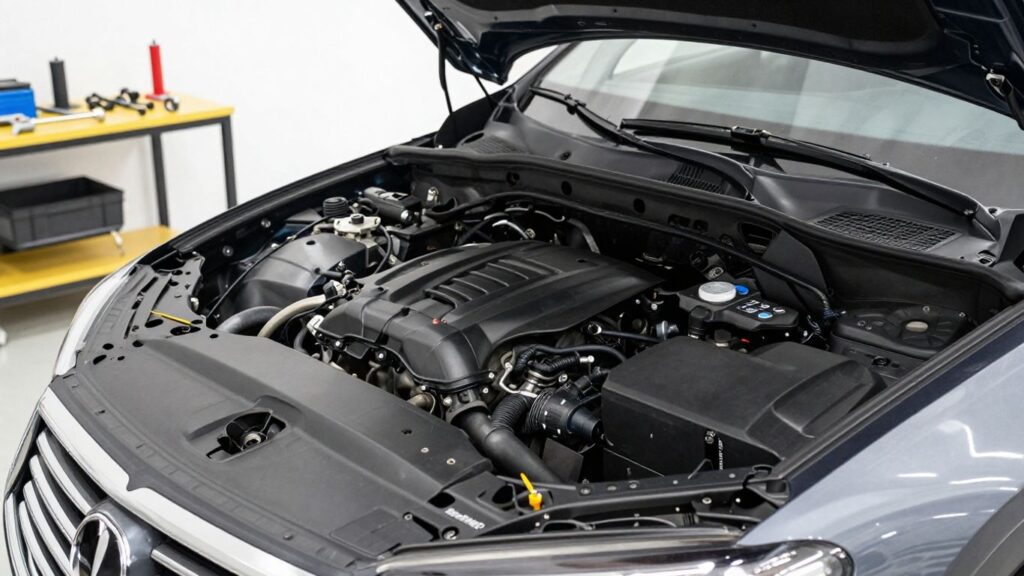
Key Takeaways
- Using original components ensures long-term vehicle performance.
- Always cross-reference part numbers before purchasing replacements.
- Verify branding to avoid low-quality counterfeit auto parts.
- Managing the transition from legacy SsangYong to KGM branding is essential.
- Professional installation protects your vehicle warranty and resale value.
Understanding why OEM matters for SsangYong vehicles
Maintaining a vehicle requires careful selection when replacing worn components. Choosing high-quality spares directly influences how your car handles daily stress and road conditions. Owners who rely on Heartland KGM for their vehicle needs often find that original components provide a higher standard of overall quality.
Performance and longevity benefits
Original parts are crafted to the precise specifications required by the factory engineers. When a component fits exactly as intended, the mechanical systems function without unnecessary friction or excessive wear. Sustaining peak mechanical performance ensures your vehicle remains reliable over many thousands of miles of driving.
Maintaining factory warranty coverage
Using approved components is a common requirement stated in the fine print of many manufacturer agreements. If a non-standard part causes a secondary failure in an integrated system, you risk losing your coverage. Adhering to these standards protects your investment in factory-backed reliability throughout the duration of your warranty period.
Precise fitment vs. aftermarket alternatives
Generic parts often lack the rigorous safety testing performed by the original manufacturer. A precise fit ensures that electrical sensors and drivetrain assemblies interface perfectly with your current hardware. This reduces the risk of vibration, leaks, or intermittent electrical faults that frequently plague lower-cost replacements.
How to identify authentic SsangYong OEM parts
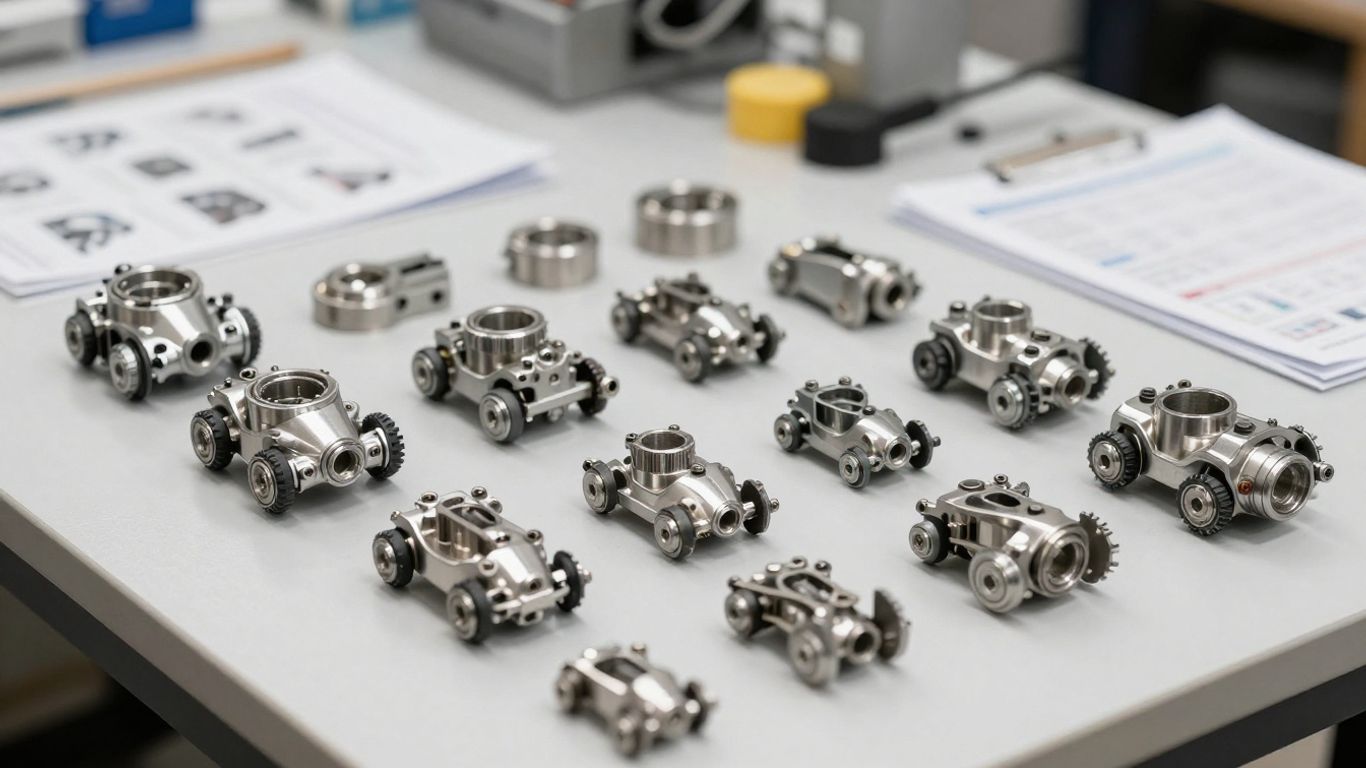
Authenticity is the primary barrier when purchasing replacements for your vehicle on the secondary market. Genuine components bear specific markings that signify they have passed factory quality control. You can source verifiable components through established providers like Cars245.com to ensure you are receiving the correct item for your specific model.
Checking for original KGM or SsangYong branding
Each genuine component is typically marked with a stamp or a laser-etched logo reflecting the manufacturer. Packaging should also clearly state the official part number along with relevant security holograms to prove authenticity. If the branding appears faint or the packaging feels low-quality, the component may not meet official factory standards.
Verifying part numbers using an electronic parts catalog
Consulting an online database allows you to confirm that the part number matches your specific chassis configuration. An electronic catalog provides exploded diagrams that detail how items fit together, preventing errors during the ordering process. This method removes the guesswork typically associated with purchasing parts based solely on visual inspection.
Avoiding counterfeit components in the secondary market
Low-priced alternatives may mimic the appearance of genuine goods but fail significantly under real-world usage. High-risk items like critical sensors or braking hardware should only be sourced from recognized, authorized sellers. Staying informed about common counterfeiting trends helps you identify suspicious listings before you commit to a purchase.
Common SsangYong components requiring OEM replacements
Certain parts are designed to handle immense stress throughout the vehicle lifespan and often require precise engineering to function. Choosing authentic replacements for these critical systems prevents premature mechanical fatigue and ensures the security of the internal wiring and movement modules.
Engine management and sensor systems
Modern engines depend on accurate data to manage fuel efficiency and power cycles. Replacing sensors with factory-grade units is necessary to avoid confusing the internal computer, which could lead to poor idling or decreased fuel economy. The following table highlights common system traits:
| Component System | Engineering Standard | Replacement Priority |
|---|---|---|
| Engine Management | High-Precision | Critical |
| Suspension Bushings | Factory-Spec Material | Essential |
| Electrical Modules | OEM Integrated Logic | Important |
Suspension bushings and structural drivetrain assemblies
Suspension components endure constant movement, requiring materials that resist cracking and hardening over time. If you decide to service your vehicle, ensure you track the following items as they commonly require attention:
- Primary suspension control arms ensuring stability.
- Rubber bushings that absorb road vibration and noise.
- Structural drivetrain assemblies linking the transmission to axles.
- Steering linkage components that maintain precise handling.
These systems benefit from professional inspection and the use of matching parts that restore factory-intended responsiveness to your commute.
Interior trim and vehicle electrical modules
Interior electronics and control units operate on specific software protocols designed for seamless operation. Replacing these with generic modules often results in limited functionality or complete incompatibility with your infotainment display. Choosing factory-authorized parts ensures your internal systems stay fully responsive and reliable.
Navigating the transition from SsangYong to KGM branding

The shift toward KGM branding has introduced new catalogs and logistics protocols for obtaining parts. Suppliers like Miral Auto Camp Corp. are instrumental in helping owners find the right hardware during this transitional period. Understanding the continuity of supply chains allows you to keep your older vehicle running effectively despite the change in entity name.
Compatibility between legacy and current part numbers
Parts from the legacy era often carry different identifiers compared to the latest inventory. Cross-referencing tables are available through authorized distributors to bridge the gap between older internal systems and modern KGM-branded replacements. This prevents ordering errors when updating a legacy vehicle with modern inventory supplies.
Sourcing discontinued components for older SsangYong models
As models age, physical supply chains for original components inevitably shrink. Some components may be found through specialty distributors who focus on maintaining older stock for long-term enthusiasts. Professional advice can help you determine if an alternative part exists that is fully compatible with your older system architecture.
Updates to official manufacturer supply chains
The logistics of part distribution have evolved to prioritize modern vehicle lines as the brand updates its global footprint. Watching for announcements regarding official dealer portals ensures you know exactly where to order parts that satisfy the most recent manufacturing requirements. Staying current with these supply chain updates simplifies your maintenance schedules considerably.
Best practices for sourcing SsangYong OEM parts
Finding the right source requires diligent research into authorized distributors and official manufacturer channels. Accessing reliable catalogs is the best way to ensure the components you buy match your vehicle’s specifications exactly. Always review the shipping requirements when buying from international suppliers to ensure no damage occurs during transit.
Utilizing authorized dealer online portals
Dealer websites provide the safest route for acquiring guaranteed authentic items. These portals often link directly to the internal Parts Catalog (EPC) systems, ensuring that what you order is a perfect match for your vehicle identification number. This reduces the risk of accidental returns and ensures your maintenance work happens on schedule.
Managing international shipping for specialty parts
Some rare components may only be available through overseas shipping. Protective packaging is mandatory to prevent structural damage to fragile sensors or body panels during long-distance handling. Always inquire about insurance options and tracking protocols to protect your purchase from the moment it leaves the warehouse.
Verifying the reliability of third-party OEM distributors
If you choose to use an independent distributor, examine their reputation and verification policies beforehand. Reliable distributors will provide complete documentation, including original manufacturer labels and proof of inventory sources. A trustworthy partner will prioritize your vehicle’s health over quick inventory turnover.
Maintenance tips to preserve original SsangYong components
Regular service maintains the structural integrity and logic paths of your original equipment. Following the manufacturer internal guidelines ensures that small problems do not turn into major repairs. Keeping a detailed history of your service work is a smart way to protect your budget over the life of your vehicle ownership.
Following manufacturer-recommended service intervals
Adhering to oil change and inspection schedules prevents excessive internal wear. These routines are designed to identify potential component failure long before the part actually breaks. By keeping up with these checks, you extract the maximum possible utility from your installed factory hardware.
Maintaining proper documentation for future resale value
Every service receipt and parts invoice serves as a record of your vehicle’s care. Future buyers appreciate seeing a documented history of genuine parts being installed by qualified personnel. This evidence indicates a well-maintained vehicle that will likely provide many more miles of trouble-free operation.
Ensuring professional installation for complex mechanical assemblies
Certain assemblies, particularly those related to the engine or safety systems, require specialized tools for proper calibration. Attempting these repairs without training often leads to secondary issues that might negate the quality of the new part. Certified technicians are equipped to complete these tasks while ensuring that all electrical or mechanical connections remain within specification.
Conclusion
Securing original components is the most reliable path to maximizing the performance and safety of your vehicle. By utilizing authorized distribution channels and maintaining careful service records, you can keep your car in top condition for years. This persistent dedication to quality ensures that every drive remains as responsive and dependable as the manufacturer intended.
Frequently Asked Questions
Why are OEM parts more expensive than aftermarket options?
Original parts feature high-grade materials and rigorous testing standards that generic aftermarket products often skip to reduce their manufacturing costs.
Can I use the same part for both SsangYong and KGM vehicles?
Many mechanical parts carry direct compatibility across the brand transition, but you should always verify the specific part number using a current catalog.
What is the risk of using counterfeit electrical sensors?
Counterfeit sensors often provide inaccurate data to your engine computer, causing poor fuel economy, erratic idling, or damage to other connected engine modules.
How do I find the correct part number for my specific car?
Use your vehicle identification number in an official electronic parts catalog to retrieve a list of components tailored exclusively to your chassis build.
Should I always choose professional installation for simple parts?
While simple trim items might be DIY-friendly, complex components like drivetrain seals or sensor systems benefit from trained installation to ensure proper function and safety.
Does using authorized parts influence my insurance premiums?
Some insurers prefer or even require factory-standard parts for claims, and using high-quality components helps ensure your vehicle retains its safety status following any repairs.
How often should I check my suspension bushings for wear?
Inspect these components during every scheduled service, especially if you drive regularly on rougher road surfaces where bushings endure constant stress and vibration.