
Key Takeaways
Maintaining your vehicle requires understanding how to source the right components for your specific model in the Australian market. This overview provides guidance on verifying part compatibility, navigating local supply chains, and selecting reliable components to keep your car in optimal condition.
- Prioritize KGM-certified parts to maintain safety and performance standards.
- Always use your VIN to confirm exact fitment before placing orders.
- Consider both authorized dealerships and independent wreckers for sourcing components.
- Understand your warranty implications before installing any aftermarket solutions.
- Check regional shipping logistics to manage costs and delivery times effectively.
Understanding genuine versus aftermarket SsangYong parts
Choosing the right components for your vehicle is a fundamental aspect of long-term ownership and reliability. Factory components are designed to meet specific engineering tolerances, ensuring that your vehicle maintains its intended performance levels throughout its lifecycle. When you opt for original parts, you are often investing in parts that were tested alongside the development of the vehicle itself.
The benefits of using KGM-certified components
Component longevity is a primary concern for owners who want to avoid frequent repairs. By turning to Heartland KGM, you secure items that are engineered for your specific model configuration, which removes the guesswork often associated with generic alternatives. These parts are constructed to match the original factory specifications, which minimizes the risk of improper fitment or potential mechanical issues arising from substandard materials.
When to consider high-quality aftermarket alternatives
There are situations where non-original parts might provide a functional substitute for older models or accessory needs. Some independent products are manufactured to meet or exceed original benchmarks, particularly for non-drivetrain components or specialized cosmetic enhancements. If you are refurbishing an older vehicle that is no longer covered by traditional support channels, high-quality aftermarket alternatives can be a practical path for restorative work.
Maintaining your vehicle’s factory warranty status
Protecting your investment involves staying aligned with manufacturer requirements regarding replacement parts. Installing non-certified components during the warranty period may influence the manufacturer’s stance on future claims if the part itself is deemed the cause of a wider failure. It is essential to verify compatibility with official guidelines to ensure that your coverage remains intact during the duration of your factory-backed protection period.
Identifying the correct parts for your SsangYong model
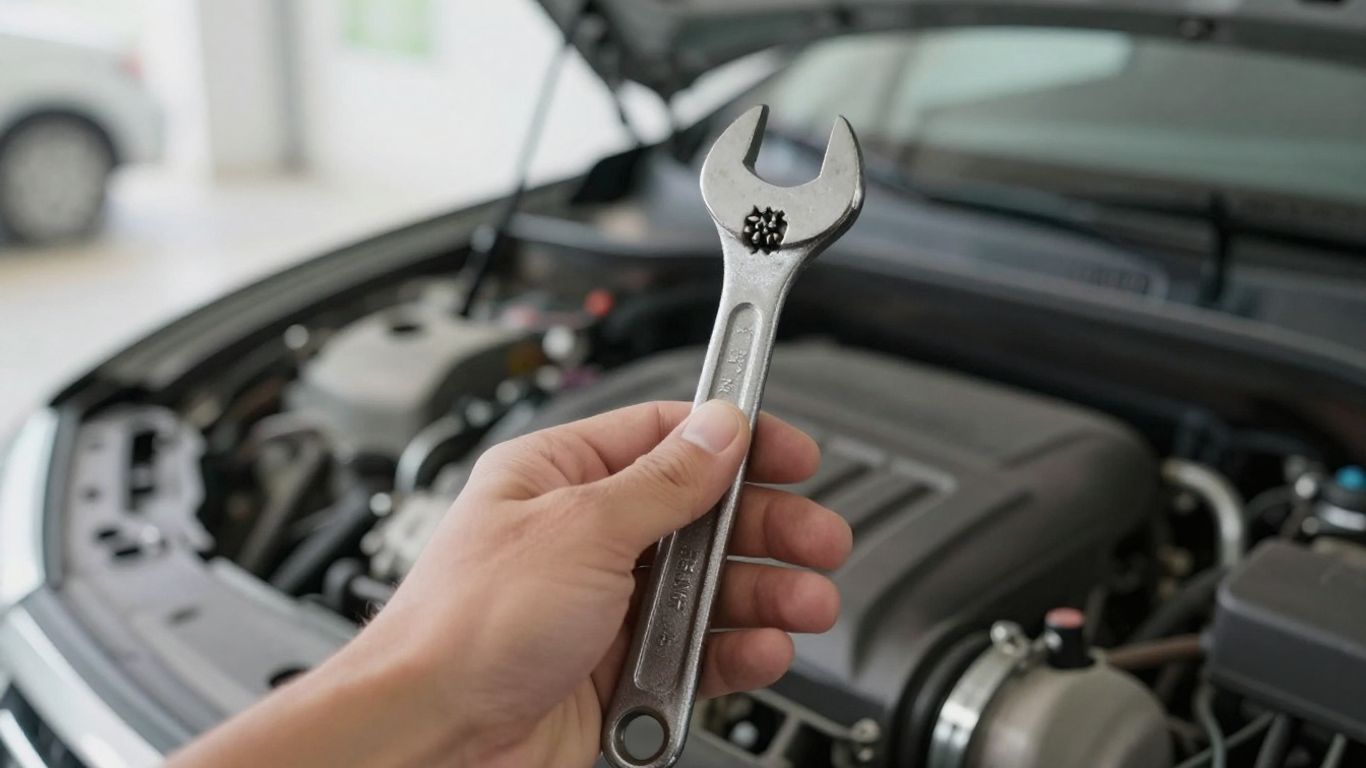
Finding the perfect match for your vehicle requires a methodical approach that relies on specific documentation rather than intuition. The complexity of automotive engineering means that even minor design variations can render a part unsuitable for your specific build. Reliable sourcing depends on accurate data, which starts with the unique identifiers assigned to your machine at the time of construction.
Utilizing your vehicle identification number (VIN) for accuracy
Your VIN is the single most important piece of information for any parts enquiry because it tracks the specific build history and manufacturing variant of your vehicle. This sequence of characters provides suppliers with the necessary detail to distinguish between model year changes, regional specifications, and internal production updates. Providing this number prevents the frustration of ordering components that fail to align with your engine type or chassis configuration.
Consulting electronic parts catalogs via authorized dealers
Authorized dealers maintain comprehensive electronic systems that map every part to the specific vehicle engineering requirements for that model. By speaking with the professionals at Geelong KGM SsangYong, you gain access to accurate diagrams that identify exactly which components are required for your maintenance tasks. These digital resources offer a precise look at assembly sequences, which is often crucial for DIY enthusiasts who need to understand how individual pieces integrate into the larger assembly.
Checking compatibility across different production years and variants
Many vehicle platforms share core components across multiple production years or model variants, yet small differences often exist that can cause significant issues during installation.
| Part Category | Compatibility Check Needs | Documentation Required |
|---|---|---|
| Engine Components | Cylinder head, gasket set | Engine code match |
| Electrical Modules | ECU revision, firmware | VIN digit string |
| Body Panels | Mounting brackets, trim | Production year range |
Carefully verifying these details before making a commitment helps avoid unnecessary returns or mismatched mechanical parts. Following these checks ensures that your repair process proceeds without hitting roadblocks related to version mismatches or internal layout changes.
Navigating the Australian distribution network
Establishing a reliable supply chain requires knowing which local retailers can provide consistent access to both new and used items. In the context of ssangyong parts australia, the market is composed of various dealers and specialized retailers that manage inventory according to regional demand. Understanding where to look first saves time and ensures you are working with vendors who deeply understand the product range.
Sourcing parts directly from authorized KGM dealerships
Direct contact with authorized dealerships provides the most streamlined experience for procuring items backed by official support. These businesses handle national logistics and are often the only source for specific electronic control units or safety-critical components that cannot be easily substituted. Engaging directly with these retailers ensures you receive the guidance of professional technicians who have specific training on the hardware relevant to your vehicle.
Leveraging specialized independent parts retailers
For routine maintenance items like filters, fluids, or common wear parts, independent retailers frequently provide faster turnaround times and more flexible pricing. These businesses focus on building an inventory that targets high-demand items, making them a useful resource for standard service kits. Their ability to source components via alternative distribution channels can be beneficial when standard stock is experiencing a temporary delay.
Comparing lead times for locally stocked versus imported components
Understanding the delta between parts held in domestic warehouses and those requiring international shipping is vital for managing repair expectations. Locally stocked items are usually held by centralized Australian operators, allowing for prompt domestic dispatch, whereas imported parts might involve complex transit steps. Plan your maintenance window by asking staff about lead times early, as this transparency assists in coordinating your repair schedule and minimizing vehicle downtime.
Assessing the quality of recycled or secondhand components
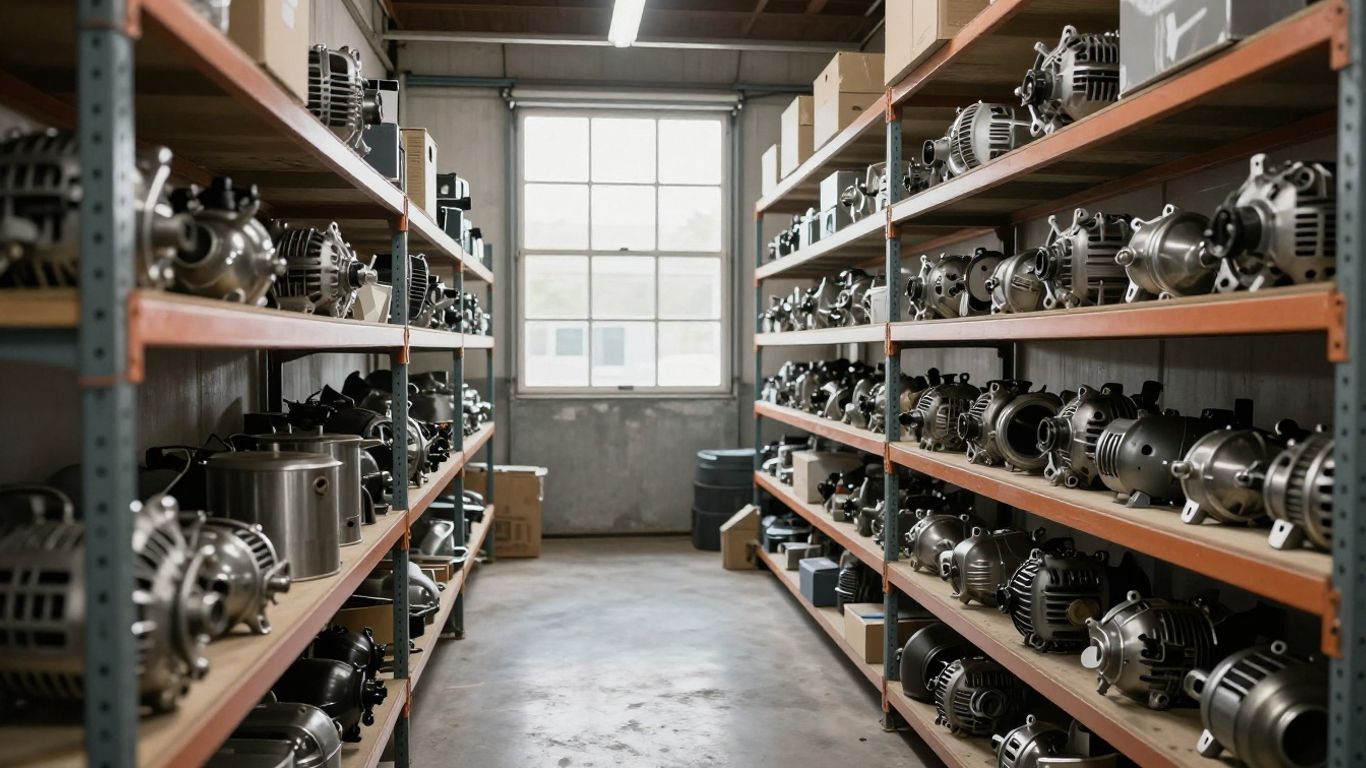
Choosing recycled components is a sustainable strategy that also manages repair costs for out-of-warranty vehicles. However, it requires a discerning eye to evaluate the condition and history of used hardware before final installation. You should look for reputable sources that provide validation and transparent testing documentation for every piece they supply.
Identifying reliable auto wreckers specializing in SsangYong models
Finding a wrecker that focuses on your specific vehicle line significantly increases the chances of receiving functional parts. Suppliers like JCS Parts are professional operations that test and clean components, which reduces the chance of receiving damaged or non-functional stock. Focus on businesses that provide detailed information about the donor vehicle, as this provides useful insight into the expected lifespan of the salvageable material.
Inspecting used parts for wear, corrosion, and electrical integrity
When you receive used hardware, a thorough physical examination is necessary to confirm that it is suitable for use. Check for structural compromises such as rust, fatigue in metal components, or signs of environmental damage that could affect performance. For electrical items, ensure that connectors, wiring harnesses, and casing seals are intact, as moisture or debris ingress often leads to silent failures post-installation.
Understanding manufacturer limitations on recycled drivetrain components
Not every part is an ideal candidate for reuse, especially when it involves complex drivetrain assemblies or transmission units. Manufacturer standards and safety protocols may limit the viability of using certain recycled parts in critical applications due to the difficulty of verifying internal condition without a full strip-down. We advise that users examine the specific history and mileage of the component, as drivetrain elements have predictable service lives that might be near their ceiling if sourced from high-use salvage.
Logistics, shipping, and delivery across Australia
Moving automotive parts across the country presents logistical hurdles, especially given the vast distances and the weight of certain automotive frames or machinery. Many suppliers utilize national freight networks to connect major hubs with remote regions, but the nature of the component determines how this transit occurs. Proper planning regarding freight expectations helps reduce the risk of damage during the journey or unexpected delivery delays.
Managing regional freight costs for oversized body panels
Items such as doors, bumpers, or fenders require specialized handling that goes beyond standard parcel shipping methods. Logistics costs are often higher for these oversized panels because they require palletized freight or dedicated courier services to prevent warping or structural damage during the move. When ordering, clearly communicate the delivery destination, as residential versus commercial addresses can influence the final logistics quote and the equipment required for unloading.
Tracking your order from national warehouses to remote areas
Most modern automotive retailers provide digital tracking to help you monitor internal transit status, which allows for better coordination of the repair team. Whether the delivery is traveling through metropolitan hubs or out to regional zones, digital tracking provides regular updates on the location of your parcel. If you are ordering through independent or specialized channels, verify if they offer real-time courier visibility to ensure you are present when the delivery arrives.
Handling returns and exchanges for incorrectly supplied orders
Errors in part identification occasionally occur, necessitating a quick and efficient exchange process to maintain your project timeline. It is essential to review the return policy at the time of purchase, as this often defines the timeline for reporting discrepancies or damaged goods. Maintain documentation for the original invoice and any relevant photographs if a part arrives in a condition that prevents it from being used effectively.
Maintenance and professional installation best practices
Executing a repair properly requires more than just replacing an old part with a new one. It involves utilizing the right techniques to ensure the assembly operates correctly within the wider system. Proper installation procedures contribute to better vehicle reliability and reduce the need for future unplanned repairs.
Essential tools required for specific SsangYong repairs
Modern automotive systems are complex and often require specialized tools for tasks such as calibrating sensors or removing components without marring surfaces. You must verify if the job requires proprietary software interfaces or specific wrenches that conform to the fastener dimensions used in your model. Investing in the correct gear for the task, rather than relying on makeshift modifications, is the hallmark of a professional approach to vehicle maintenance.
Finding certified mechanics familiar with KGM engineering
When the job exceeds your personal capacity, finding a workshop with documented experience on your vehicle is vital. Look for mechanics who remain current with specialized training, as they will be familiar with the unique engineering nuances that characterize this manufacturer’s design. A shop that understands the specifics of your model will be better equipped to interpret diagnostic error codes and perform precise repairs that hold up over time.
Documenting part replacements to preserve future resale value
Keeping a detailed log of every repair and component replacement serves as clear evidence of your commitment to the vehicle’s condition. This history essentially acts as a narrative of care, showing that you invested in quality materials and professional installation methods whenever the need arose. Future buyers look for this depth of information because it proves the car was not neglected, which provides them with significantly higher confidence regarding the vehicle’s long-term utility.
Conclusion
Procuring the necessary components for your vehicle involves a balance between sourcing reliable, factory-specified parts and utilizing trusted logistics to deliver them to your workshop. By relying on your vehicle’s unique identification and engaging with recognized retailers in the Australian network, you can maintain the high performance and long-term resale value of your car. Commitment to regular, professional maintenance ensures your vehicle remains a reliable partner for all your journeys.
Frequently Asked Questions
How can I verify that a part will fit my vehicle?
Always use your specific VIN to search catalogs and confirm compatibility with the authorized supplier before making a purchase, as model year differences often change part design.
Are recycled parts reliable for major repairs?
Recycled parts can be reliable if sourced from reputable wreckage operations that perform testing and inspection for structural integrity, wear, and electrical function before reselling them.
What should I do if a part arrives damaged from freight?
Contact the supplier immediately with photographic evidence of the damage and your original invoice to initiate a return or exchange claim within the window defined by their policy.
Why is the VIN necessary for ordering?
Automotive manufacturers often switch components mid-production; the VIN links your specific chassis to the exact list of official parts used during the construction of your vehicle.
Can I install performance parts safely?
While some aftermarket parts can enhance performance, you must consider the impact on your vehicle’s warranty and ensure that any modifications align with local safety regulations.
How do I find a mechanic who works on these vehicles?
Seek out workshops that list specific expertise or training in the target brand, as they are more likely to have the tools and training to manage complex diagnostic needs.
What documents should I save for future resale?
Keep all invoices for parts, digital records of installation services, and a ledger of repair dates to clearly demonstrate the maintenance history of your vehicle to any future buyer.