
Key Takeaways
Understanding your vehicle protection plan helps you stay prepared throughout your ownership journey. These essential points summarize the core aspects of manufacturer coverage.
- Coverage commencement typically starts on the date of first registration.
- Maintenance adherence is crucial for preserving your valid warranty status.
- Most manufacturing defects in materials or workmanship are fully covered.
- Wear-and-tear items are excluded from standard manufacturer repair agreements.
- Warranty coverage often remains active when transferring ownership to new buyers.
Overview of the SsangYong warranty program
Navigating manufacturer coverage requires a clear understanding of the terms tied to your vehicle purchase. Protecting your investment happens by knowing exactly what the policy promises from the moment you drive off the lot.
Understanding the standard manufacturer coverage
Every new vehicle relies on a comprehensive 7-year bumper-to-bumper warranty to safeguard the owner against unforeseen mechanical failures. This commitment ensures that authorized technicians address defects in either parts or assembly performance without cost to the driver.
Warranty duration and mileage limitations
The KGM five-year warranty serves as the baseline for many fuel-powered models, typically expiring once your vehicle hits specific distance milestones. While these limits vary, keeping track of your odometer ensures you never miss the chance to handle repairs under warranty status.
Transferability to subsequent vehicle owners
Manufacturer coverage generally stays with the vehicle rather than the initial buyer. This feature often helps maintain better resale value, as prospective buyers feel confident inheriting a protected machine provided it hasn’t been voided.
Geographical scope of coverage
Warranties are usually bound by the regulatory environment where the vehicle was registered. While you might occasionally find support abroad, the primary protections exist within the national borders of the original sale to ensure compliance with local consumer laws.
What is covered by the SsangYong warranty
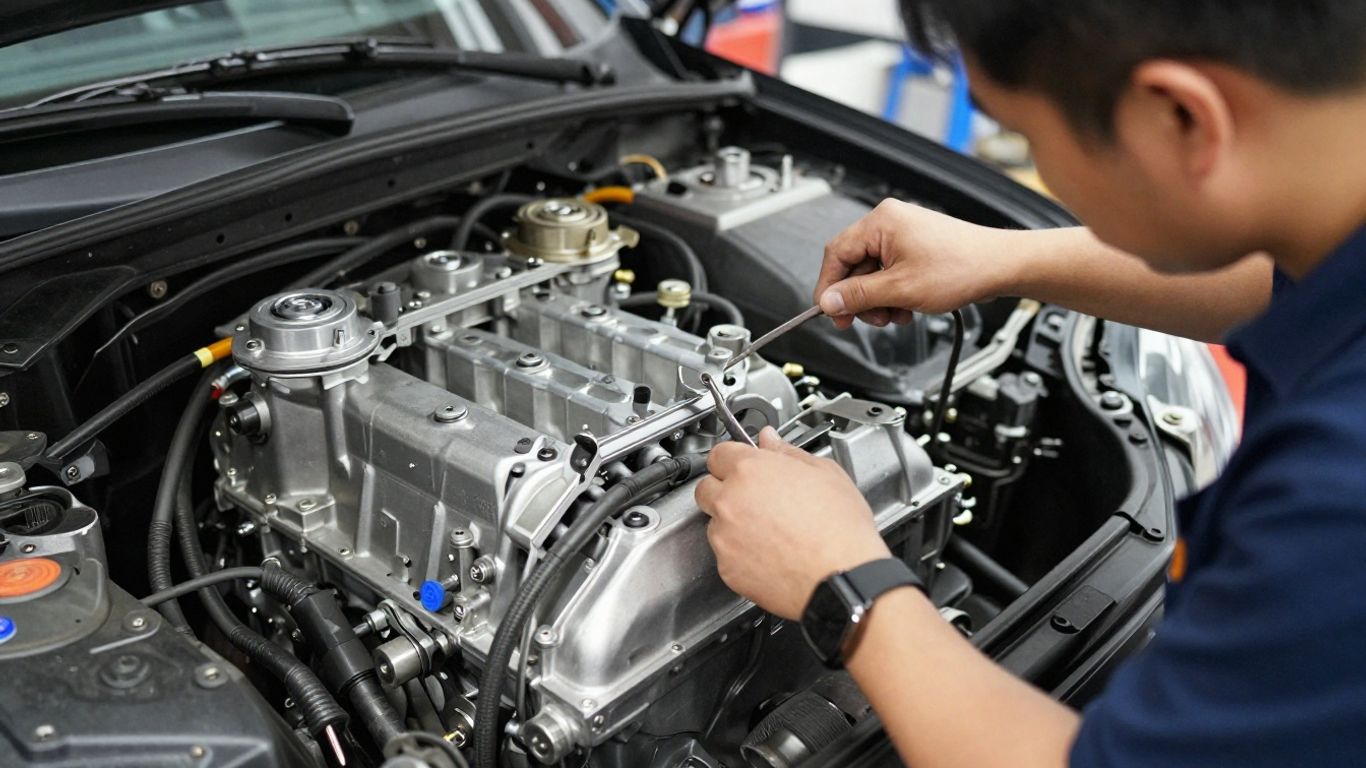
Protection schemes focus heavily on the mechanical integrity of your vehicle’s most vital systems. Having these components covered provides significant long-term financial peace of mind for owners planning to keep their cars for years.
Powertrain components and engine block
This core area covers the primary machinery responsible for propulsion, including the transmission and internal mechanical parts. You can rely on professional intervention if a major component fails due to manufacturing inconsistencies.
Electrical system and integrated sensors
Modern vehicles are sophisticated machines relying on complex electronic architectures. Your warranty supports the repair or replacement of sensors and control modules that manage critical driving functions.
Factory-installed infotainment and multimedia units
Digital screens and audio equipment installed during production are included in broader protection. Issues like non-responsive interfaces are typically resolved by checking whether the part is functioning as originally specified.
Body panels and anti-corrosion protection
Protecting your exterior appearance is part of a complete ownership package. Dealers evaluate paint defects and rust through structural panels using a standardized comparison table to determine eligibility:
| Issue Type | Coverage Status | Verification Method |
|---|---|---|
| Surface Paint | Limited | Visual Inspection |
| Structural Rust | Fully Covered | Thickness Gauge |
| Cosmetic Blemish | Not Covered | Dealer Assessment |
These guidelines help clarify exactly where the manufacturer assumes responsibility for physical signs of aging or defects.
Common exclusions from your SsangYong warranty
Manufacturers do not cover every issue that happens to a car over its lifespan. Certain parts are naturally designed to endure friction and will eventually require replacement as part of regular ownership.
Wear-and-tear items and consumable parts
Items like brake pads, tires, and windshield wiper blades suffer from constant usage. You should anticipate paying for these replacements as they are not manufacturing defects but simply expected outcomes of driving.
Damage caused by aftermarket modifications
Installing non-original software or performance parts often conflicts with the manufacturer’s logic. If an unauthorized garage fits equipment that compromises a system, you lose protection for that specific component.
Issues resulting from neglected scheduled maintenance
Properly managing your KGM combustion engine powertrain requires following the service book religiously. When oil changes are skipped or warnings ignored, the manufacturer cannot compensate for the resulting mechanical degradation.
Misuse, competition use, and environmental damage
Racing, off-road abuse, or driving through deep floods exceeds the vehicle’s design parameters. Acts of nature or driver negligence represent situations where the manufacturer is absolved from covering the repair bills.
Maintaining your warranty validity

Preserving your rights as an owner involves active participation in the health of your vehicle. These steps prevent administrative pitfalls that could otherwise complicate a claim when you need it most.
Adhering to the official service interval schedule
Staying on time with your services prevents small issues from becoming expensive catastrophes. Most providers ask owners to perform these checks:
- Complete oil changes at the required mileage limit.
- Replace worn fuel filters to protect the engine.
- Inspect suspension bushings for early signs of play.
- Verify all liquid levels and pressure gauges weekly.
- Update software modules during authorized service visits.
Performing these tasks consistently builds a strong service profile for your vehicle. It is generally best to prioritize these visits to ensure the car stays within the manufacturer’s expected condition.
Importance of using genuine SsangYong parts
Original parts are vetted to operate exactly as the inventors intended. Choosing knock-off components often introduces compatibility errors that the warranty does not support.
Documenting service history and maintenance receipts
Keep a tidy folder with every invoice and check sheet you receive. If a dispute arises regarding a mechanical fault, showing documented evidence of proper care is your primary line of defense.
Reporting vehicle faults to authorized dealers immediately
Ignoring a glowing warning light can turn a simple fix into a excluded repair. Reach out to a technician the moment you notice unusual noises or performance shifts.
How to make a SsangYong warranty claim
Starting a claim is a straightforward process when you have prepared your documentation in advance. The key is working directly through an authorized repair network to ensure consistency and speed.
Identifying the nearest authorized service center
Use official locators on the manufacturer website to find a space that is certified to perform repairs. These locations are the only ones equipped to process requests according to the necessary internal standards.
Gathering necessary documentation for a claim
Bring your owner’s manual, service receipts, and the vehicle registration details. Having a clear timeline of the fault and documentation of previous maintenance helps the advisor approve your request faster.
The assessment process for covered repair work
Technicians will run diagnostic tests to verify whether the source of the fault aligns with covered items. They might need to inspect components to rule out external factors like damage from accidents.
Understanding the timeline for warranty resolution
Depending on part availability, the process can take from a few days to several weeks. Your advisor will typically provide updates once they diagnose the root cause and confirm the approval path.
Distinguishing between warranty and recall services
It is common to confuse standard warranty repairs with safety recalls, though they operate differently. Recalls are fundamentally different administrative actions triggered by wider manufacturer trends.
Definition of a manufacturer safety recall
These occur when a systemic fault is detected across many vehicles that could present a danger. The manufacturer initiates these programs to correct a specific safety-related flaw regardless of your vehicle’s age.
How recall repairs are processed independently
Recall campaigns have their own budgets and workflows separate from the standard warranty. You often receive official notifications by mail inviting you to have the work performed free of charge.
Checking for active and outstanding vehicle recalls
You can verify your car status through government databases or the manufacturer brand portal. Entering your VIN usually pulls up any open actions requiring attention.
Limitations of warranty coverage during recall repairs
Recall work does not extend your standard warranty period. It is simply a corrective response to ensure your vehicle meets the safety benchmarks required for the road.
Conclusion
Investing in your vehicle’s long-term health pays off by following the manufacturer’s guidelines and maintaining excellent service records. By understanding the distinction between standard coverage and exclusions, you ensure your car remains a reliable partner for many years, giving you complete satisfaction and freedom on the road.
Frequently Asked Questions
Does the warranty cover rental car costs while my vehicle is being repaired?
Standard manufacturer policies typically do not cover daily transit expenses like rental vehicles during the repair phase. You should consult their regional policy or your personal insurance provider to see if you have alternate coverage for those scenarios.
What happens if I miss a service by a few hundred miles?
Most manufacturers offer a small tolerance window to account for scheduling conflicts. However, consistently missing maintenance intervals by significant distances risks voiding your protection because the vehicle’s history becomes difficult to verify.
Do software updates count as warranty work?
If an update is required to resolve a technical defect or improve a system that isn’t working as designed, it is often treated as a warranty procedure. Optional version updates for new features, however, are usually not covered under the core warranty.
Can I perform the oil changes myself to save money?
While you are capable of doing your own maintenance, the manufacturer usually requires service to be documented by authorized facilities. Using your own tools without official records makes it very difficult to prove the vehicle was maintained to the necessary standards.
Does the warranty cover interior upholstery damage?
Issues with seat fabric, plastics, or dashboard materials are often considered cosmetic unless they result from a clear manufacturing or assembly flaw. Normal wear from sliding in and out of the car across several years is not covered.
Will tinted windows void my electrical or body warranty?
Adding non-factory window tint usually only voids the warranty for the specific components influenced by that change, such as window motors or defrosting elements. It does not typically impact the entire powertrain or engine coverage.
Does the warranty protection change if I move to a different country?
Coverage standards vary significantly by region and local law. Many manufacturer warranties are not automatically portable internationally, so you should check with the local dealer in your new home country to determine if they can honor your specific agreement.