Key Takeaways
Taking on your vehicle maintenance rewards you with deeper machine knowledge and long-term savings. This guide offers essential tips for confident part procurement.
- Use your VIN for exact compatibility when ordering components.
- Compare new and used parts to balance cost with lifespan.
- Consult enthusiast forums to find reliable suppliers for specific models.
- Inspect all imported parts immediately upon delivery.
- Maintain a digital log of every repair and part purchase.
Decoding SsangYong parts options
Performing DIY SsangYong Repairs: A Guide to Sourcing Parts requires a solid grasp of whether a specific component is best sourced new or used. Understanding the structural demands of your vehicle helps determine if factory-spec items are necessary for safety and performance or if aftermarket options suffice. Always weigh the upfront investment against the frequency of the repair.
Benefits of original equipment manufacturer (OEM) parts
Original equipment provides the assurance of a perfect fit and material integrity matches designed specifically for your engine bay. While these components carry a higher price tag, they are engineered to maintain the durable and reliable performance of your vehicle as intended by the manufacturer. You can often find SsangYong Rexton engine suppliers that specialize in these authentic components to ensure your engine receives the exact build quality required for longevity.
Assessing high-quality aftermarket alternatives
Aftermarket suppliers sometimes offer refined versions of original parts that address common failure points discovered by the mechanics who maintain these vehicles daily. These alternatives often feature upgraded cooling or friction materials that improve upon the initial factory design. It remains important to compare build tolerances before committing to a purchase to ensure they integrate seamlessly with the existing assembly.
Identifying counterfeit warning signs
Counterfeit components pose a real danger because they often lack the heat-treated resilience of genuine goods and can fail under standard operating stress. Examine the physical packaging for blurry prints or misspellings and compare the laser-etched identifiers against known factory sequences. If the price point creates a sense of being too good to be true, it likely indicates poor quality standards or an unauthorized production origin.
Effective online search strategies
Utilizing dedicated SsangYong enthusiast forums
Enthusiast forums represent the most reliable source for anecdotal data on which suppliers currently maintain stock for aging or rare vehicle models. Veteran owners often post detailed reviews of specific vendors, helping you avoid mistakes made by those before you. Engaging in these communities provides a wealth of context-specific sourcing advice you simply cannot find through standard retail search engines.
Browsing global e-commerce platforms and marketplaces
Global marketplaces provide access to vast inventories that local warehouses may not carry in stock. By following a structured approach to selection, you can navigate these complex sites efficiently:
- Filter results by seller location to estimate shipping times accurately.
- Prioritize listings that include high-resolution photos of the actual part.
- Use the search feature for online car parts to find reputable providers with high ratings.
- Check for seller interaction history by reviewing recent customer feedback.
- Ask for an electronic invoice to verify origin and part numbers.
Finding regional distributors for niche components
Sometimes, the specific trim or mechanical part you need is only available through regional distributors who specialize in niche markets. These smaller entities often have deep institutional knowledge about specific model years and regional configurations. Building a relationship with a localized parts shop can drastically reduce the time you spend tracking down discontinued electrical modules or trim pieces.
Mastering parts diagrams and reference numbers
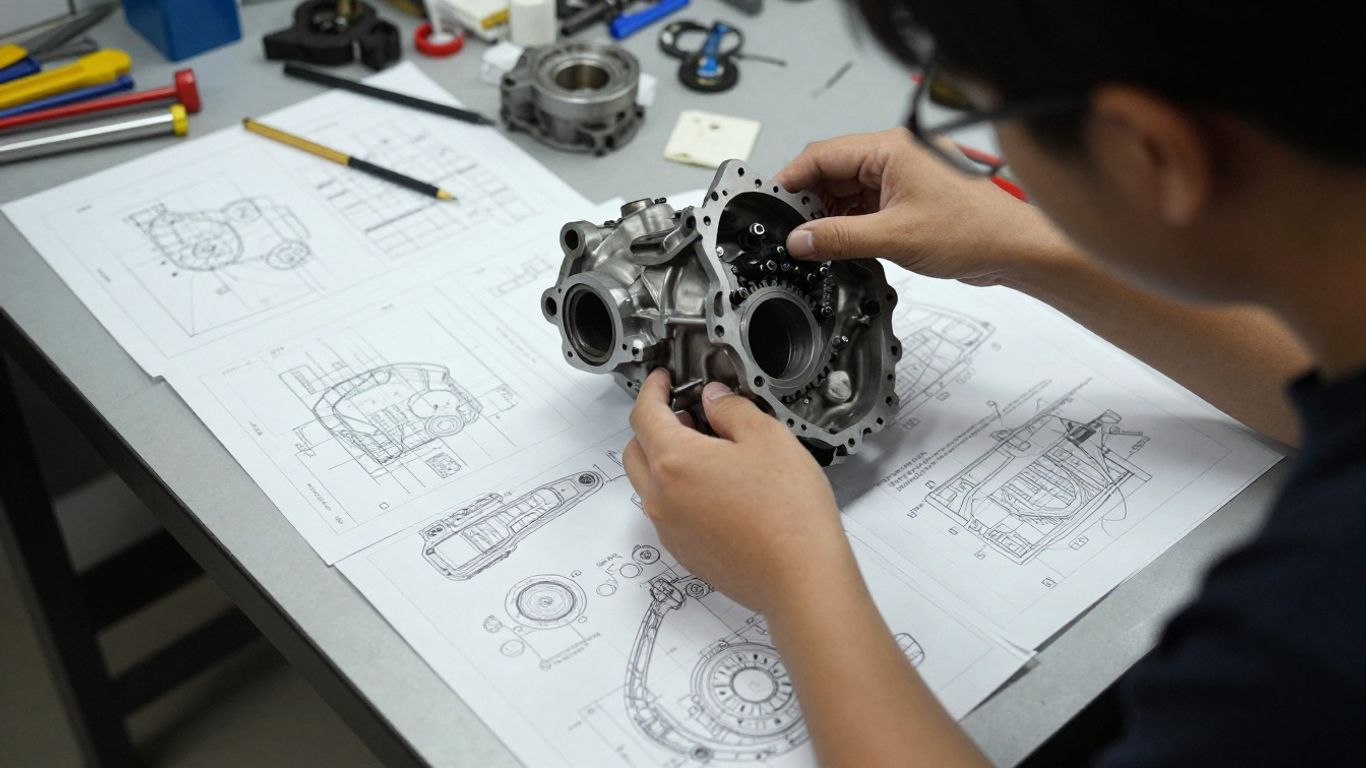
Official diagrams serve as the definitive map for your vehicle, ensuring you select the correct part without relying on guesswork. Even minor numerical updates to a part number can indicate a significant internal revision that affects compatibility with your specific trim level. Never assume that a visual match equals a functional one without verifying the numerical data.
Interpreting official SsangYong electronic parts catalogs
Electronic catalogs allow you to decompose your vehicle into exploded views, revealing how each bolt, clip, and bracket connects to the whole. By navigating these diagrams, you can gain a clear understanding of the assembly sequence and what surrounding gaskets or seals should be replaced concurrently. This proactive approach prevents the common frustration of finishing a repair only to realize you need a secondary part you didn’t anticipate.
Verifying compatibility via VIN-specific lookups
Using your Vehicle Identification Number remains the only way to guarantee that a specific part revision will fit your vehicle’s unique build configuration. The table below illustrates common compatibility checks performed during a standard sourcing session:
| Attribute | Verification Step | Reliability |
|---|---|---|
| VIN Code | Cross-reference against database | High |
| Part Number | Confirm superseded version | Absolute |
| Trim Level | Match with factory manifest | High |
By following these technical checks, you eliminate the risk of ordering parts that require modifications for proper fitment. Maintaining this level of rigor ensures that your time under the hood is productive and focused on the actual repair process.
Cross-referencing superseded part numbers
Manufacturers frequently update components, resulting in what are known as superseded part numbers. When a primary retailer lists an item as unavailable, checking the latest replacement code usually reveals that the part exists but has been updated to a newer standard. Always query your supplier about potential supersessions before settling for a search result that claims a modern part is out of production.
Sourcing from salvage yards and recyclers
Benefits of pulling parts from locally sourced scrap vehicles
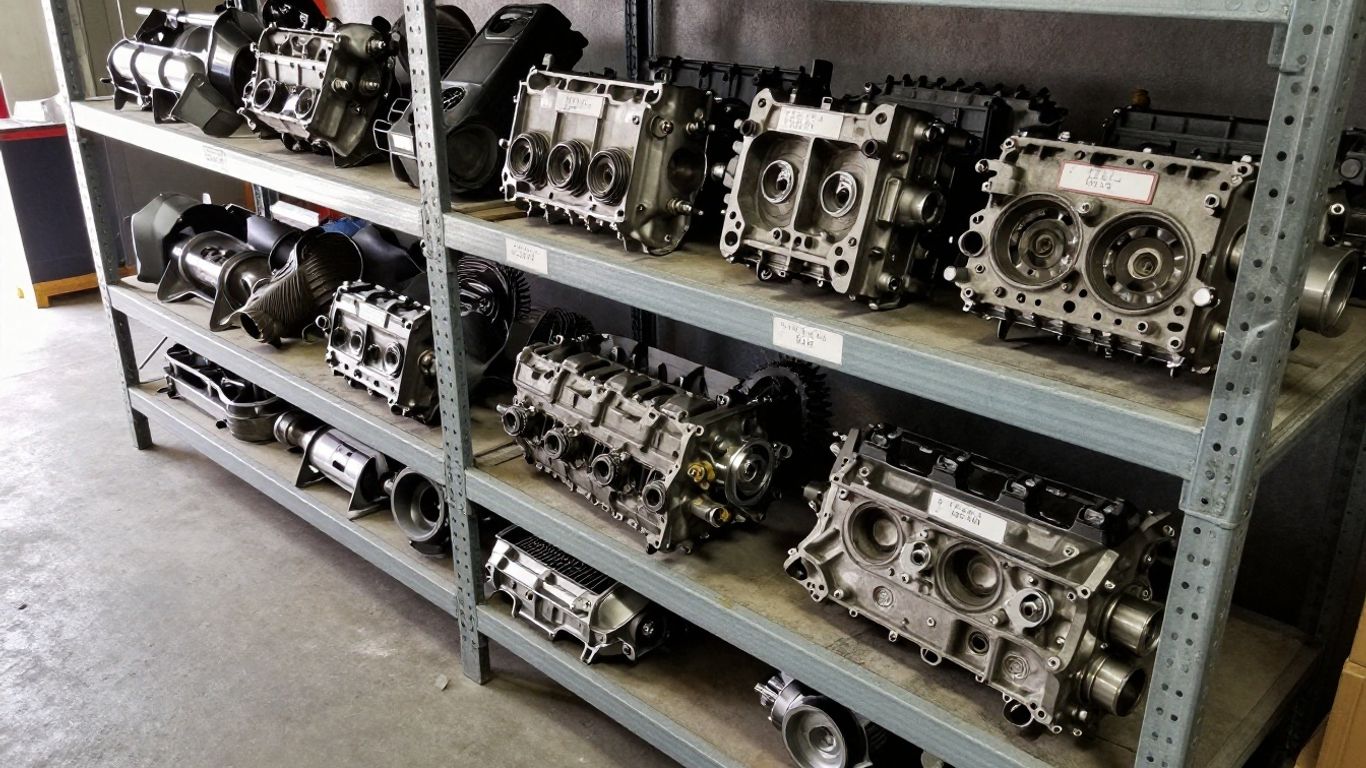
Pulling parts locally eliminates the cost of shipping and the risk of damage during transit, which is a major advantage for heavy items like drivetrain components or large body panels. You get the immediate benefit of physically testing the integrity of the part before agreeing to a price. It is often the most economical way to acquire major items for a project vehicle.
Evaluating the condition of mechanical versus cosmetic components
Mechanical assemblies like gearboxes require strict inspection for signs of metal shavings or burnt fluid inside the casing. Cosmetic items, in contrast, must be checked for UV damage or hairline fractures that become apparent only after a thorough cleaning. Decoupling these two types when evaluating the value of a salvage component ensures you pay for longevity rather than just surface appearance.
Navigating online auto recycler inventory databases
Most major recyclers now link their individual lot inventories into centralized databases that allow searching for specific makes and years across a national network. Utilizing these tools saves hours of time, as you can filter by region and component type. Once you locate a matching vehicle in a distant yard, you can often arrange for the yard to remove and ship the item directly to your door.
Evaluating seller reputation and warranty coverage
Your purchase is only as good as the policy supporting it, especially when sourcing components from secondary markets. Look for sellers who prioritize transparency regarding the condition of their stock and their willingness to accept returns if a part is misrepresented. Always clarify the scope of any provided warranty before payment is completed.
Vetting suppliers for customer service and returns policies
Reliable suppliers will offer a clear written agreement describing how they handle damaged or incorrect shipments. A quick assessment of their communication responsiveness during the pre-purchase phase typically predicts how they will handle a return request. Choose vendors who maintain a clear trail of documented communication throughout the transaction lifecycle.
Understanding limited versus comprehensive warranties
Limited warranties typically only cover the part itself for a very short duration, whereas comprehensive policies may extend protection to the installation labor in the event of a failure. Understanding the distinction is vital when performing complex repairs that involve significant teardown time. Never compromise on warranty terms for critical engine or safety components that are difficult to access once installed.
Risks and rewards of purchasing from private sellers
Private sellers occasionally offer deep discounts on rare parts that have been sitting in a garage, but this path usually involves zero returns or formal guarantees. You are effectively trading the lack of a warranty for a lower price point, which is a calculated risk best reserved for simple, non-critical parts. Only engage in these transactions if you have the ability to either test the item on-site or absorb the potential cost of a non-functional part.
Logistics, shipping, and import considerations
Managing the movement of automotive components requires precise planning, especially when dealing with heavy or irregular items coming from diverse regions. Awareness of the [Tunisia automotive market](https://www.trade.gov/country-commercial-guides/tunisia-automotive-parts-services-equipment) and global trade customs helps you anticipate fees that might otherwise inflate your final cost significantly. Careful preparation prevents delays at the port and keeps your project schedule on track.
Managing international shipping costs and customs duties
International logistics often involve complex tariff structures and handling premiums that must be factored into your total budget in advance. Always declare the nature of the package clearly with the appropriate classification codes to ensure a smooth transition through customs gateways. If the shipping quote seems unusually low, verify if it includes insurance coverage for the total value of the components within the shipment.
Safely unpacking and inspecting fragile automotive components
Automotive parts often require custom crating or specialized blocking to prevent flexural damage during transit. Upon arrival, perform a detailed inspection of the packaging integrity before signing for the delivery, documenting any external trauma with photographs. Opening the package immediately in the presence of the courier—or recording the unboxing process—is the standard for resolving insurance claims successfully.
Organizing documentation for future maintenance tracking
Maintaining a formal paper trail of every part number purchased and the specific supplier used builds a valuable history for your vehicle’s ongoing maintenance. This documentation serves as a reference for future repairs, helping you quickly identify which parts were previously swapped. Keeping an organized folder of invoices and warranty slips ensures you are protected throughout the lifespan of the components you have sourced.
Conclusion
Sourcing components effectively requires a careful blend of technical research and practical evaluation. By using these strategies to verify quality and compatibility, you can successfully maintain your vehicle while managing costs, ultimately ensuring long-term reliability for every repair you undertake.
Frequently Asked Questions
How do I identify if a part is compatible with my specific vehicle?
The most reliable method is to check your VIN in the official electronic parts catalog for your vehicle, which confirms the exact build information and any regional part revisions.
Is it safer to buy parts from an authorized dealer or a private seller?
Authorized dealers provide documented warranties and guaranteed part quality, making them significantly safer for critical mechanical components, while private sellers offer lower prices for non-essential items.
What is the advantage of using superseded part numbers?
Using a superseded number allows you to access updated components that have replaced the original part, often containing revisions that improve performance or build quality.
How can I verify that a used part from a salvage yard is still functional?
Before purchasing, visually inspect for physical damage, check for signs of neglect like excessive grime or abnormal fluid colors, and ask the recycler if they have performed any testing on the donor vehicle.
What information should I have ready before searching for auto parts online?
Always keep your vehicle’s make, model, year, engine size, transmission type, and unique VIN ready to ensure the search results are specific to your exact configuration.
What should I do if a part arrives damaged from an international shipment?
Document the damage with detailed photos of the outer shipping crate and the internal component immediately, then contact the seller and the shipping carrier to initiate an insurance claim using your documentation.
Why is it important to keep documentation of my part purchases?
Maintaining records provides a clear service history that helps you track when maintenance was performed, simplifies future repairs, and acts as proof for warranty claims if a component fails prematurely.